Membrane technology in fermentation has revolutionized downstream processing by enabling efficient separation, concentration, and purification of biological products at the molecular level. This guide explains how CHIWATEC and global membrane manufacturers apply ultrafiltration (UF), nanofiltration (NF), and reverse osmosis (RO) systems to antibiotic production, amino acid yields, and vitamin manufacturing, with actionable technical insights for 2026 and beyond.
The global membrane technology market in the pharmaceutical and biotechnology sectors was valued at approximately USD 5.8 billion in 2025 and is projected to reach USD 11.3 billion by 2035, growing at a compound annual growth rate (CAGR) of 6.9%. In the fermentation industry, membrane separation processes now account for over 35% of downstream purification operations, driven by higher yields, lower energy costs, and compliance with stringent pharmacopoeia standards. This guide distills the latest technical knowledge, application data, and equipment selection criteria for fermentation professionals. Last Updated: August 2026.
Membrane Technology in Fermentation: Principles and Application Scope
Membrane technology in fermentation applies a semi-permeable membrane to separate mixed substances with different particle diameters at the molecular level. Emerging in the early 20th century and rising rapidly after the 1960s, membrane separation delivers high efficiency, low energy consumption, environmental benefits, and simple process control — the core requirements of modern bioprocessing. The working mechanisms behind each process class are covered in depth in our membrane separation principle guide.
| Process | Pore size / MWCO | Role in fermentation | Typical products |
| Microfiltration (MF) | 0.1–1 μm | Cell harvesting, broth clarification | Biomass, suspended solids |
| Ultrafiltration (UF) | 0.01–0.1 μm / 1–500 kDa | Removal of hyphae, proteins, viruses, pyrogens | Antibiotics, amino acids, enzymes |
| Nanofiltration (NF) | 150–1000 Da MWCO | Dehydration and concentration | Amino acids, organic acids, vitamins |
| Reverse osmosis (RO) | <1 nm | Final concentration, water recovery | High-purity water, dilute product streams |
In the fermentation industry, membrane systems are deployed for cell harvesting (solid-liquid separation), clarification of fermentation broth, concentration of target products, removal of pyrogens and viruses, and recovery of valuable by-products:
- Widely used in the production of antibiotics, amino acids, vitamins, organic acids, enzymes, and biofuels.
- Ultrafiltration membranes span food, pharmaceutical, and biotechnology sectors.
- Integration of MBRs enables continuous production with real-time product removal.
Ultrafiltration for Solid-Liquid Separation of Fermentation Broth
Direct ultrafiltration achieves solid-liquid separation by removing macromolecular substances such as hyphae, proteins, viruses, and pyrogens, while molecular metabolites — target products, salts, and water — almost all pass through the membrane. Compared with rotary vacuum filtration and centrifugal separation, membrane technology in fermentation delivers higher product recovery rates (typically 95-98%), continuous operation capability, and elimination of filter aids.
- MWCO selection: pore size distribution and molecular weight cutoff (MWCO) are critical to optimal separation performance — see our ultrafiltration membrane filtration guide.
- Operating parameters: cross-flow velocity, transmembrane pressure, and temperature must be carefully controlled to balance flux with fouling mitigation — see ultrafiltration membrane operating parameters.
- Industrial adoption: direct ultrafiltration of fermentation broth has become increasingly common in industrial fermentation settings as the primary harvest step.
Nanofiltration for Concentrating Fermentation Products
Nanofiltration concentrates low-titer fermentation products — often only 0.1% to 5% of broth volume — without phase change and with low energy consumption, the concentration step where membrane technology in fermentation delivers its largest energy savings versus evaporation. Nanofiltration membranes with molecular weight cutoffs between 150 and 1000 Da are particularly effective for concentrating small-molecule products such as amino acids and organic acids.
- Versus multi-effect evaporators: lower capital investment, no caramelization or clogging from high residual sugar, and no product loss or color deepening from phase change.
- Process design: one-stage or multi-stage nanofiltration systems in the dehydration-concentration step greatly reduce solvent and energy consumption in subsequent stages while improving yield and product quality.
- Technology guidance: compare process fundamentals in our nanofiltration membrane technology guide, and plan maintenance with nanofiltration membrane replacement practices.
Reverse Osmosis in Fermentation Downstream Processing
Reverse osmosis (RO) membranes, with pore sizes below 1 nanometer, provide the highest level of separation among pressure-driven membrane processes. In fermentation downstream processing, RO is employed for final concentration of dilute product streams and for recovering high-purity water from permeate streams.
- Membrane chemistry: thin-film composite (TFC) polyamide membranes dominate the RO market with salt rejection rates above 99% and strong chemical stability.
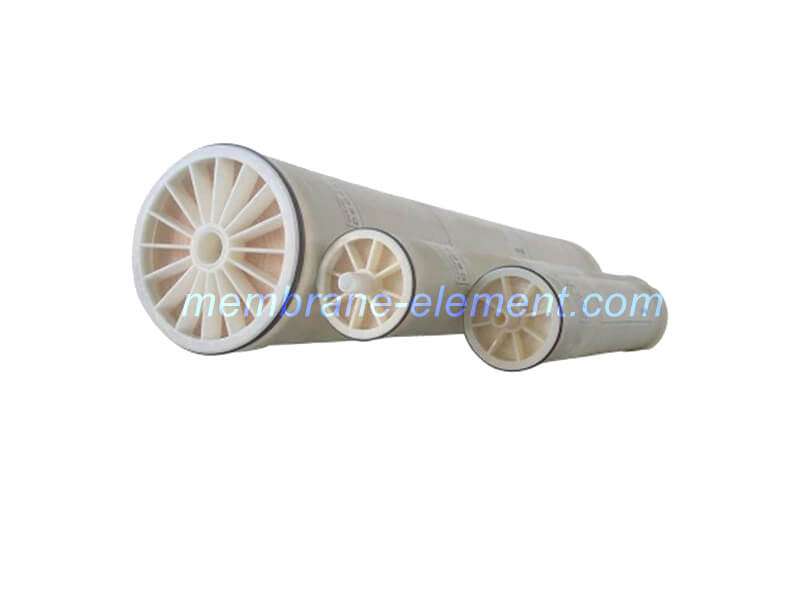
- Configurations: spiral-wound, hollow-fiber, and tubular elements each suit different feed stream characteristics — see RO membrane separation technology.
- Performance tracking: salt rejection, water flux, and recovery are monitored with RO membrane evaluation indices to sustain final-concentration efficiency.
Membrane Separation Advantages Over Traditional Methods
Membrane separation replaces several traditional separation and concentration methods — vacuum drum filtration, plate-and-frame filtration, centrifugal separation, flocculation, ion exchange, solvent extraction, and evaporation — with measurable gains in energy, quality, throughput, and environmental impact, and it is the reason membrane technology in fermentation now dominates new downstream installations.
| Criterion | Traditional methods | Membrane separation |
| Energy | Phase-change evaporation consumes high energy | 50-80% less energy, no phase change |
| Product quality | Heat and chemicals degrade bio-products | Ambient temperature, native conformations preserved |
| Operation | Batch, filter aids and chemicals required | Continuous, higher throughput, less variability |
| Scale-up | Discrete equipment steps | Modular skid design, lab to production |
| Environment | High chemical use, wastewater, carbon footprint | Reduced chemicals, wastewater, carbon footprint |
Key advantages at a glance:
- Energy efficiency: 50-80% less energy than evaporative methods because no phase change occurs.
- Product quality: mild operating conditions preserve heat-sensitive biological products.
- Continuous operation: increased throughput with reduced batch-to-batch variability.
- Scalability: modular skid designs scale from laboratory to production volumes.
- Environmental impact: reduced chemical consumption and wastewater generation.
Membrane Bioreactors for Continuous Fermentation
Membrane bioreactors (MBRs) integrate a fermentation vessel with a membrane separation module, enabling continuous product removal while retaining biomass in the reactor. This configuration overcomes product inhibition — a common limitation in conventional batch fermentation — and represents the frontier of membrane technology in fermentation.
- Productivity: in antibiotic production, MBR systems increase volumetric productivity by 2-3 times compared with traditional fed-batch processes.
- Cycle time: MBR systems reduce batch cycle times by 40-60% while maintaining cell densities above 50 g/L in many fungal and bacterial cultures.
- Configurations: external cross-flow modules offer easier membrane cleaning and replacement; submerged modules consume less energy due to reduced recirculation pumping.
Membrane Fouling in Fermentation Broth
Fermentation broths present particularly challenging feed streams: cells, cell debris, proteins, polysaccharides, and extracellular polymeric substances (EPS) create pore blocking, cake layer formation, and gel layer development simultaneously. The target product concentration in fermentation broth is very low (0.1-5%), while mycelium, protein, residual soluble metabolites, and intermediate metabolites are abundant.
Effective fouling control requires a multi-pronged strategy:
- Pretreatment: centrifugation or microfiltration to remove larger solids before the membrane.
- Material selection: hydrophilic membranes with low protein affinity.
- Hydrodynamics: high cross-flow velocity and turbulent flow conditions.
- Cleaning: regular cleaning-in-place with foulant-matched agents — see our RO membrane cleaning triggers guide for the 10-15% performance-drop thresholds.
- Surface modification: anti-fouling membrane coatings; polymeric versus ceramic material choice significantly influences fouling behavior and cleaning frequency.
Membrane Technology in Fermentation: Antibiotic and Vitamin Production
Membrane technology in fermentation is applied at multiple stages of antibiotic manufacturing: cell separation from fermentation broth (microfiltration/ultrafiltration), removal of macromolecular impurities (ultrafiltration), concentration of antibiotic-containing permeate (nanofiltration/RO), and final polishing. Membrane-based processes have reduced solvent consumption in antibiotic extraction by up to 80% while improving product purity and yield, and are now standard for penicillin, cephalosporins, tetracyclines, and macrolide antibiotics.
Vitamin production via fermentation — particularly vitamin B12, riboflavin (B2), and vitamin C intermediates — benefits significantly from membrane concentration. Nanofiltration systems operating at 10-30 bar concentrate vitamin-containing streams from 1-2% solids to 15-20% solids, dramatically reducing the load on downstream drying or crystallization equipment:
- UF removes macromolecular impurities while antibiotic molecules pass through the permeate.
- NF/RO concentrates the product-bearing permeate before final polishing.
- Separation, purification, and concentration are the most significant contributors to total pharmaceutical production cost — modern membrane trains replace traditional approaches with substantial economic and quality improvements.
Innovations in Membrane Materials for Fermentation
Advanced polymeric membranes deliver 30-50% higher flux stability in fermentation broth applications compared with conventional membranes: surface-modified polyethersulfone (PES) with enhanced hydrophilicity, mixed-matrix membranes incorporating nanoparticles (TiO2, SiO2, graphene oxide), and thin-film nanocomposite (TFN) membranes with embedded zeolites or metal-organic frameworks (MOFs).
- Fouling control: new hydrophilic PES and ceramic formulations with surface modification have reduced irreversible fouling by up to 70% in fermentation broths, extending cleaning intervals and membrane lifespan.
- Ceramic membranes: exceptional chemical and thermal stability suit aggressive cleaning regimes and high-temperature fermentation; manufacturing advances have cut ceramic membrane costs by approximately 40% over the past five years.
- High-fouling broths: tubular ceramic membranes with pore sizes from 0.01 to 0.2 μm are particularly effective for demanding fermentation feed streams.
Selecting the Right Membrane System for Fermentation
Selecting membrane technology in fermentation requires evaluating target product characteristics, broth composition, scale and throughput, and regulatory compliance:
- Target product: molecular weight, charge, hydrophobicity, and thermal sensitivity determine the appropriate membrane type (MF, UF, NF, or RO) and MWCO.
- Broth composition: solids content, viscosity, and fouling potential influence module configuration (spiral-wound, tubular, hollow-fiber) and pretreatment requirements.
- Scale and throughput: required processing volume and batch cycle time determine membrane area and system size.
- Regulatory compliance: pharmaceutical applications require membranes meeting FDA, EMA, and USP standards for extractables and biocompatibility.
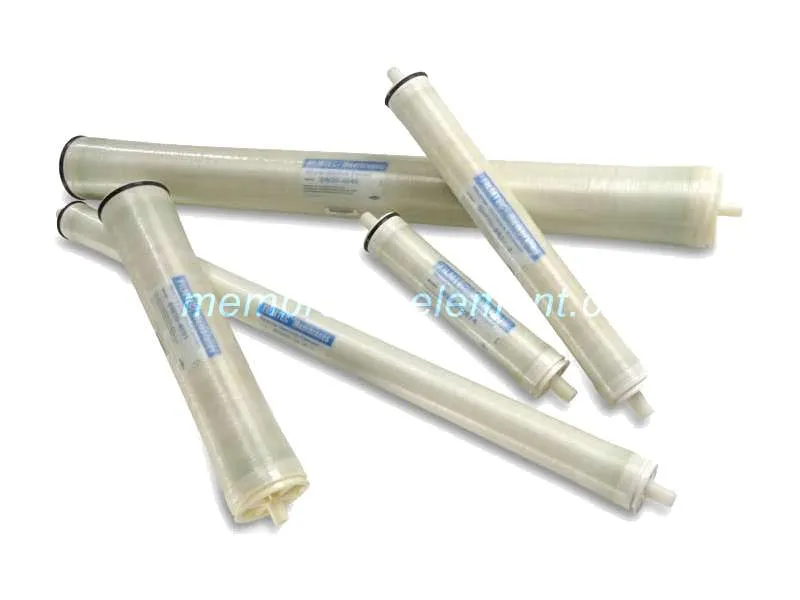
CHIWATEC specializes in engineering custom membrane separation systems for the fermentation industry, offering end-to-end solutions from pilot-scale testing to full production-scale installation. The engineering team evaluates broth characteristics, performs on-site pilot trials, and designs optimized membrane skids with appropriate pretreatment, cleaning systems, and process controls. Leading RO membrane technologies are integrated into customized process trains to meet specific fermentation separation requirements.
Conclusion: Custom Membrane Solutions for Fermentation
Membrane technology in fermentation delivers measurable gains across the entire downstream train: 95-98% product recovery in UF harvesting, phase-change-free NF concentration, 99%+ rejection RO polishing, and 40-60% faster batch cycles with membrane bioreactor integration. For a custom membrane technology in fermentation system, contact the CHIWATEC engineering team:
CHIWATEC provides complete membrane separation solutions for antibiotics, amino acids, vitamins, organic acids, enzymes, and biofuels — from laboratory trials to production skids, with pretreatment, cleaning, and process controls engineered around your broth.
FAQ: Fermentation Membrane Separation
Which membrane process is best for cell harvesting in fermentation?
Ultrafiltration (UF) or microfiltration (MF) is the standard choice for cell harvesting. Direct UF removes hyphae, proteins, viruses, and pyrogens while target products pass through, achieving product recovery rates of typically 95-98% with continuous operation and no filter aids.
What MWCO is recommended for concentrating amino acids and organic acids?
Nanofiltration membranes with molecular weight cutoffs between 150 and 1000 Da are particularly effective for small-molecule fermentation products such as amino acids and organic acids. NF concentrates without phase change, avoiding the caramelization and product loss associated with evaporative concentration.
How much energy can membrane processes save compared with evaporation?
Because membrane processes operate without phase change, they consume 50-80% less energy than evaporative methods. In fermented pharmaceutical production, one-stage or multi-stage NF dehydration greatly reduces solvent and energy consumption in downstream steps while improving yield and quality.
Can membrane bioreactors improve antibiotic production?
Yes — membrane technology in fermentation reaches its most advanced form in membrane bioreactors (MBRs). By continuously removing inhibitory metabolites while retaining biomass, MBR systems increase volumetric productivity by 2-3 times compared with traditional fed-batch processes and reduce batch cycle times by 40-60%.
How do you control membrane fouling in fermentation systems?
Effective fouling control combines pretreatment (centrifugation or microfiltration), hydrophilic membrane selection with low protein affinity, high cross-flow velocity and turbulent flow, regular cleaning-in-place with foulant-matched agents, and anti-fouling surface modifications. Ceramic membranes are preferred for the most aggressive high-fouling broths.
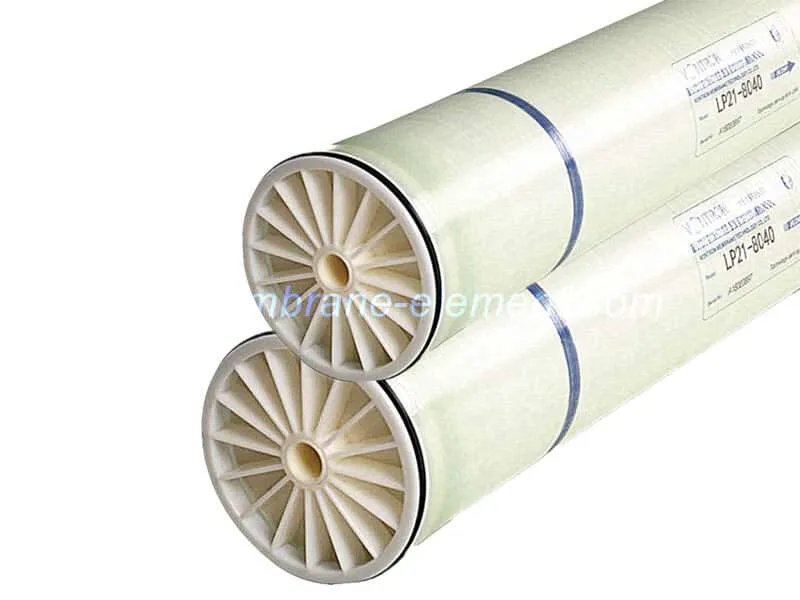
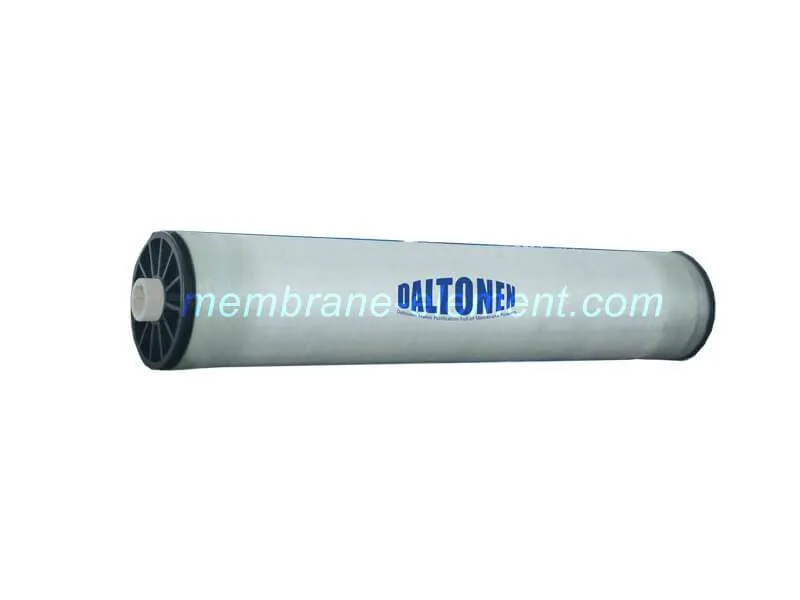
Xi’an CHIWATEC Water Treatment Technology provide the RO membrane to clients both inland and oversea with more than 10years experience. We manufacture our own brand Daltonen RO membrane and we are also the official distributor of Dupont, Toray, CSM, Nitto, LG and Vontron RO membrane. Whatever product you need, we cold meet your requirement.
Contact me for more info and best price.