How does an RO membrane work? It is one of the most common questions we receive from water treatment professionals, plant operators, and engineers. A reverse osmosis (RO) membrane is a semipermeable barrier that separates dissolved salts, heavy metals, and microorganisms from water under applied pressure. Today, RO membrane technology powers everything from seawater desalination plants producing hundreds of thousands of cubic meters of drinking water per day to compact systems in pharmaceutical and semiconductor facilities. In this complete guide, we break down the working principle of RO membranes, their key components, what they remove, the main membrane types, and the 2025–2026 trends shaping the industry.
What Is an RO Membrane?
An RO membrane is a thin, semipermeable film that allows water molecules to pass through while rejecting most dissolved solids, organics, and microorganisms. It is the finest filtration barrier available in the membrane spectrum, operating at the molecular level rather than the particle level.
What Is an RO Membrane Made Of?
Modern RO membranes are thin-film composite (TFC) polyamide membranes. A TFC membrane has three layers: an ultra-thin polyamide active layer (roughly 0.2 micrometers) that performs the actual separation, a microporous polysulfone support layer, and a non-woven polyester backing that provides mechanical strength. This three-layer construction replaced the older cellulose acetate membranes, delivering higher salt rejection, higher flux, and a wider operating pH range (typically pH 2–11).
Where RO Sits in the Membrane Filtration Spectrum
Membrane filtration is commonly classified by pore size: microfiltration (MF, 0.1–10 µm), ultrafiltration (UF, 0.01–0.1 µm), nanofiltration (NF, around 1 nm), and reverse osmosis (RO, below 1 nm). Because RO membranes reject dissolved ions rather than just particles, they achieve the highest separation performance of all membrane technologies — which is why they are the standard choice for desalination and ultrapure water production.
How Does an RO Membrane Work? The Working Principle
The operation of an RO membrane is based on a simple physical principle: reversing natural osmosis with applied pressure. Understanding this principle is the foundation of every RO system design.
From Osmosis to Reverse Osmosis
Osmosis is the natural movement of water through a semipermeable membrane from a low-concentration (low-solute) side to a high-concentration (high-solute) side, equalizing the two solutions. Inside the RO membrane, this natural flow is reversed: when external pressure greater than the osmotic pressure of the feed solution is applied to the concentrated side, water molecules are forced through the membrane in the opposite direction, while dissolved salts are left behind and concentrated in the brine stream.
To put this in perspective, seawater with a TDS of about 35,000 mg/L has an osmotic pressure of roughly 27 bar. Seawater reverse osmosis (SWRO) systems therefore operate at 55–70 bar, while brackish water systems typically run at 8–30 bar depending on feed salinity.
What Happens Inside a Spiral-Wound Element
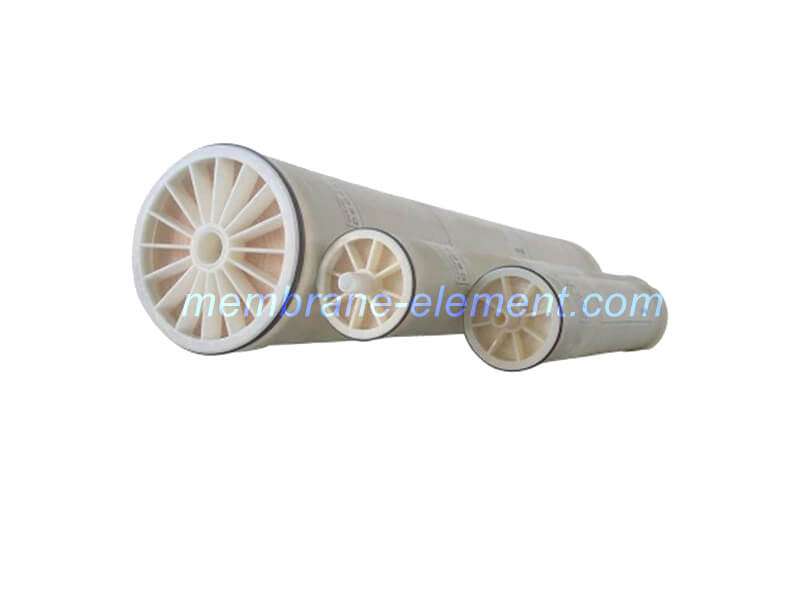
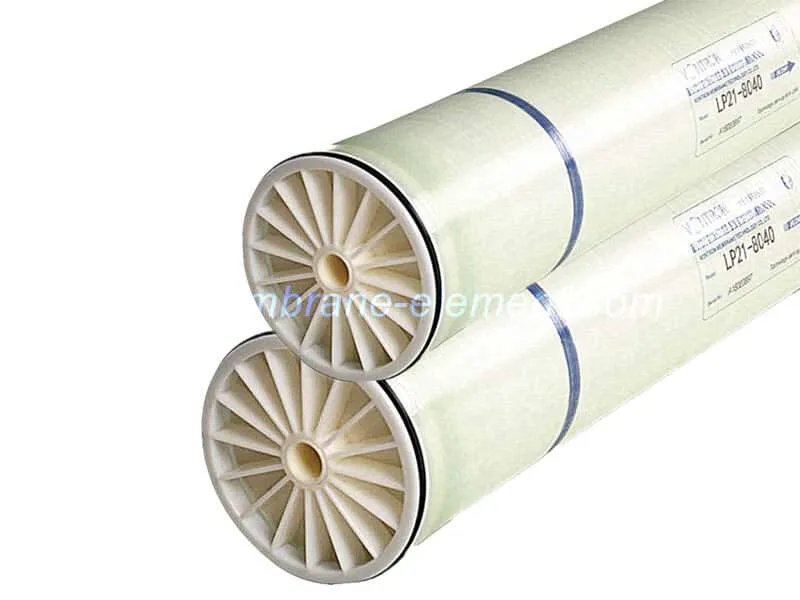
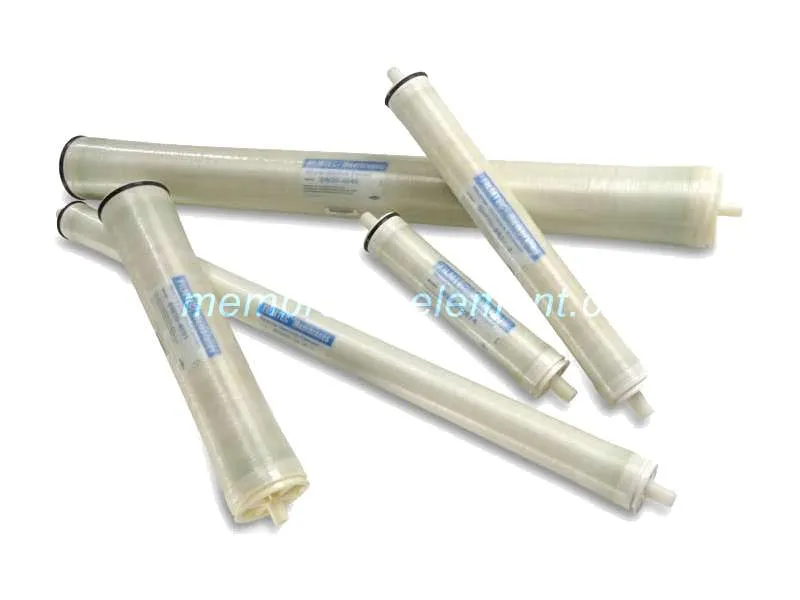
Most industrial RO membranes are configured as spiral-wound elements. Feed water enters the element and flows axially across the membrane surface through the feed channel. A portion of the water permeates through the membrane sheets, travels spirally inward through the permeate spacer, and collects in the central permeate tube. The remaining water, now carrying the concentrated salts, exits the element as concentrate (brine). Every element therefore has three streams: feed, permeate, and concentrate.
Key Components of an RO Membrane Element
- Membrane sheets — TFC polyamide layers that perform salt separation.
- Feed spacer — keeps membrane sheets apart, promotes turbulence, and reduces concentration polarization at the membrane surface.
- Permeate spacer (carrier) — channels purified water to the central collection tube.
- Central permeate tube — collects and discharges the permeate.
- Anti-telescoping devices (ATDs) and brine seal — protect the element from telescoping under pressure and prevent feed water from bypassing the membrane.
- Fiberglass outer wrap — provides structural integrity for the element under high operating pressure.
What Can an RO Membrane Remove?
RO membranes provide the broadest contaminant removal of any water treatment technology. Typical rejection performance of TFC polyamide elements includes:
- Dissolved salts: 98–99.8% rejection depending on membrane type and feed water chemistry
- Hardness (calcium, magnesium): 96–99%
- Heavy metals (lead, arsenic, nickel, chromium): 95–99%
- Bacteria and viruses: greater than 99.99%
- Microplastics: studies report removal rates above 99%
- PFAS (per- and polyfluoroalkyl substances): high rejection — one of the most effective technologies for PFAS treatment, which has gained urgency as regulators such as the US EPA have set strict limits for PFOA and PFOS
One professional nuance worth noting: RO does not effectively remove dissolved gases such as carbon dioxide, which can pass through the membrane and lower permeate pH. This is why post-treatment (degassing or pH adjustment) is a standard part of RO system design.
Types of RO Membranes
Choosing the right RO membrane element depends on the feed water source, target water quality, and operating pressure budget.
Brackish Water (BW) vs. Seawater (SW) Membranes
Brackish water membranes are designed for feed water with up to roughly 10,000 mg/L TDS, offering high flux at low pressure with 98–99.5% salt rejection. Seawater membranes are built for TDS of 25,000–45,000 mg/L, delivering 99.5–99.8% rejection under high pressure (55–70 bar). Using the wrong type — for example, a BW element on seawater — can cause irreversible damage or catastrophic salt passage.
Low-Energy and High-Rejection Membranes
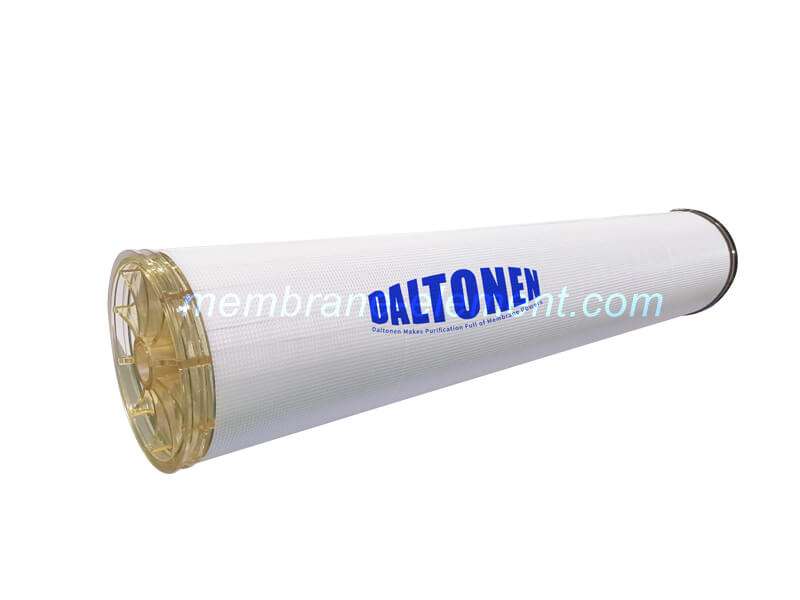
Manufacturers now offer low-energy elements that reduce required feed pressure by up to 30%, cutting specific energy consumption for brackish applications, and high-rejection elements for demanding applications such as zero liquid discharge (ZLD), ultrapure water, and brine concentration. Leading producers — including Dupont FilmTec, Toray, Hydranautics, CSM, Nitto, LG Chem, and Vontron, as well as Chiwatec’s own Daltonen brand — continuously refine these product lines, and an experienced distributor can help you match the element to the application.
How Does an RO System Work?
A reverse osmosis system is more than the RO membrane element itself. A typical industrial RO system consists of four stages: pretreatment (filtration, softening, antiscalant dosing to keep the silt density index below the membrane manufacturer’s requirement), high-pressure pumping to overcome osmotic pressure, membrane vessels housing the elements, and post-treatment (remineralization, pH adjustment, and disinfection) to make the permeate fit for its end use. The recovery rate — the percentage of feed water converted to permeate — is a key design parameter, typically 50–75% for brackish systems and 40–50% for seawater systems.
In seawater plants, energy recovery devices (ERDs) capture the pressure energy of the brine stream and return it to the feed, recovering up to 98% of that energy. This is why the specific energy consumption of SWRO has fallen from more than 10 kWh/m³ in the 1990s to around 2.5–3.5 kWh/m³ in modern plants — a decisive factor behind the global expansion of desalination.
Key Factors Affecting RO Membrane Performance
- Feed pressure and temperature: flux increases with pressure and temperature (roughly 3% per °C), but temperature also affects salt passage and membrane life.
- Feed water quality: high TDS, turbidity, or a silt density index (SDI) above the membrane specification accelerates fouling and shortens element life.
- Recovery rate and concentration polarization: operating at excessive recovery raises the concentration of sparingly soluble salts at the membrane surface, increasing scaling risk — for example, calcium carbonate scaling governed by the Langelier Saturation Index (LSI).
- Fouling and scaling management: regular monitoring of normalized permeate flow, salt passage, and pressure drop tells you when the membrane needs chemical cleaning. The longer fouling goes untreated, the harder it is to reverse.
Main Applications of RO Membranes
- Seawater and brackish water desalination: industry data shows global desalination capacity has surpassed 100 million m³ per day, with RO membrane elements accounting for roughly 70% of installed capacity.
- Industrial ultrapure water: power plants, electronics manufacturing, and pharmaceutical production rely on RO as the core of their water treatment trains.
- Municipal drinking water: RO is increasingly used to treat brackish groundwater and to remove emerging contaminants such as PFAS.
- Food and beverage, dairy, and residential point-of-use systems: RO improves product consistency and provides convenient high-purity drinking water.
Latest Trends in RO Membrane Technology (2025–2026)
- Energy efficiency and low-carbon desalination: low-energy RO membrane elements, high-efficiency ERDs, and renewable-powered plants are driving down both cost and carbon footprint.
- AI and IoT-based smart monitoring: real-time sensors and predictive analytics now detect fouling and performance decline before they become critical, cutting downtime and operating cost.
- PFAS and emerging contaminant removal: tightening regulations worldwide are pushing RO to the forefront of contaminant treatment, especially for municipal supplies.
- Brine management and zero liquid discharge (ZLD): high-rejection membranes, coupled with brine concentration and evaporation, enable near-complete water recovery and resource recovery from concentrate.
- Longer-lasting, higher-rejection elements: continuous R&D across major manufacturers is extending element life and warranty periods, reducing the total cost of ownership.
Understanding how does an RO membrane work — from the semipermeable polyamide layer to the spiral-wound element and the system around it — is the first step toward reliable, cost-effective water treatment. The right membrane element determines your long-term operating cost, water quality, and system uptime. As a manufacturer and official distributor of RO membranes from Dupont, Toray, Hydranautics, CSM, Nitto, LG, and Vontron — in addition to our own Daltonen brand — Chiwatec helps customers worldwide select and source the right elements for their applications. Contact our team for technical guidance and the best price.
Frequently Asked Questions
How often should an RO membrane be replaced?
An RO membrane typically lasts 2–5 years, depending on feed water quality, operating conditions, and maintenance discipline. Elements that are cleaned promptly and protected by proper pretreatment can exceed 5 years of service.
How do I know when my RO membrane needs cleaning?
Watch for a 10–15% drop in normalized permeate flow, a 10–15% increase in salt passage, or a significant change in differential pressure. When these indicators appear, chemical cleaning should be scheduled promptly — see our guide to effective methods for cleaning RO membranes for step-by-step procedures.
What is the difference between RO and ultrafiltration (UF)?
UF removes particles, colloids, bacteria, and most viruses, but it cannot reject dissolved salts. RO operates at the molecular level and removes dissolved ions as well. The two technologies are often combined: UF as pretreatment and RO as the final barrier. Learn more in our guide to hollow fiber ultrafiltration membranes.
How much pressure does a reverse osmosis system need?
Brackish water systems typically operate at 8–30 bar, while seawater systems need 55–70 bar to overcome the osmotic pressure of seawater. Low-energy membrane elements can reduce the required feed pressure by up to 30%.
Does reverse osmosis remove beneficial minerals?
RO removes most dissolved solids, including minerals. For drinking water applications, remineralization or blending with treated water is commonly applied to restore hardness, alkalinity, and taste after the membrane stage.
Further Reading
- Effective Methods and Solutions for Cleaning Reverse Osmosis Membrane (Polyamide Membrane)
- Common Pollutants in Reverse Osmosis Membrane and Effective Removal Methods
- Evaluation Indices and Influencing Factors of Reverse Osmosis Membranes
- Understanding Back Pressure and Desalination Rates in Reverse Osmosis Water Treatment
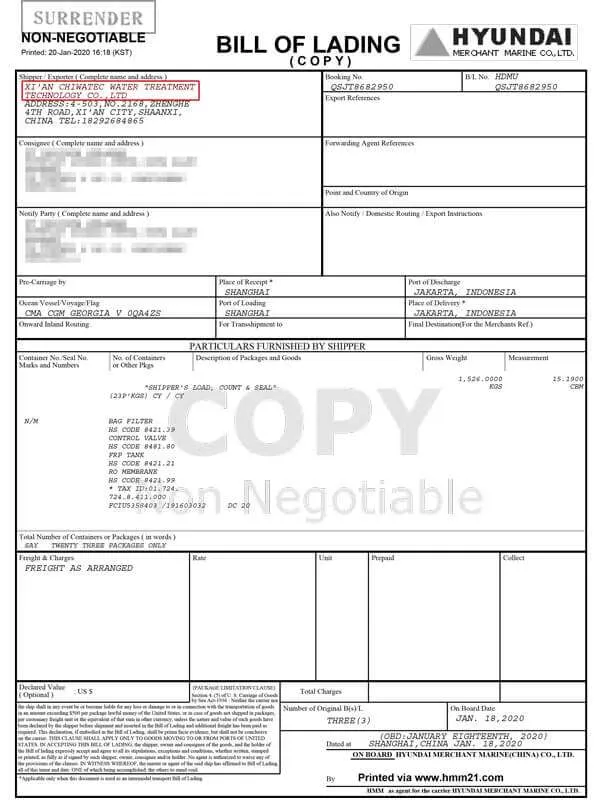
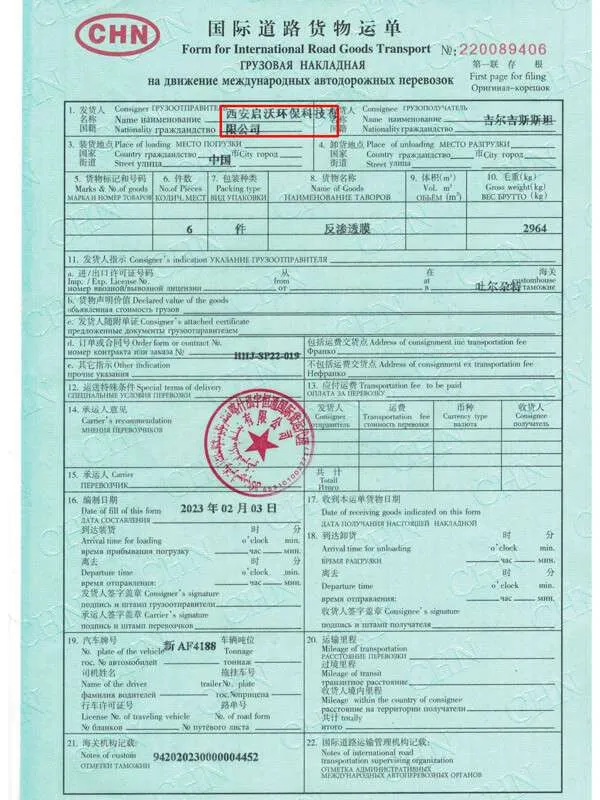
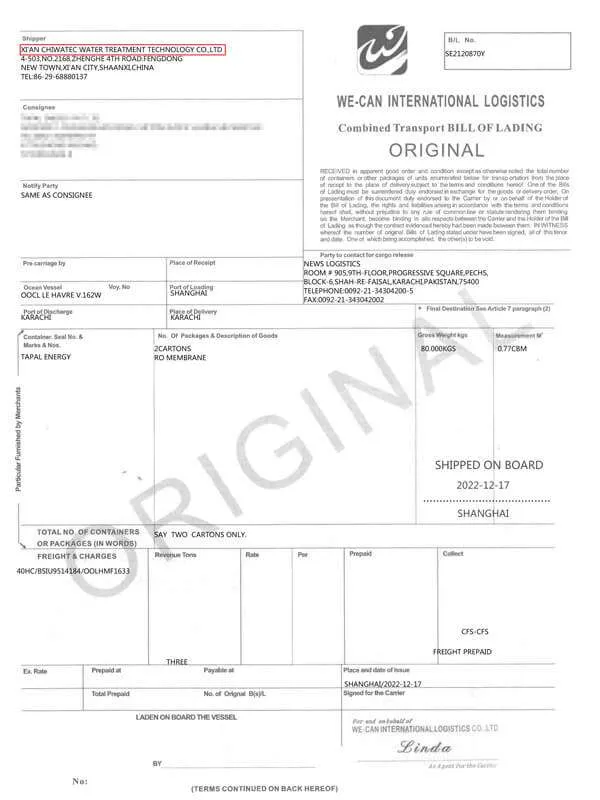
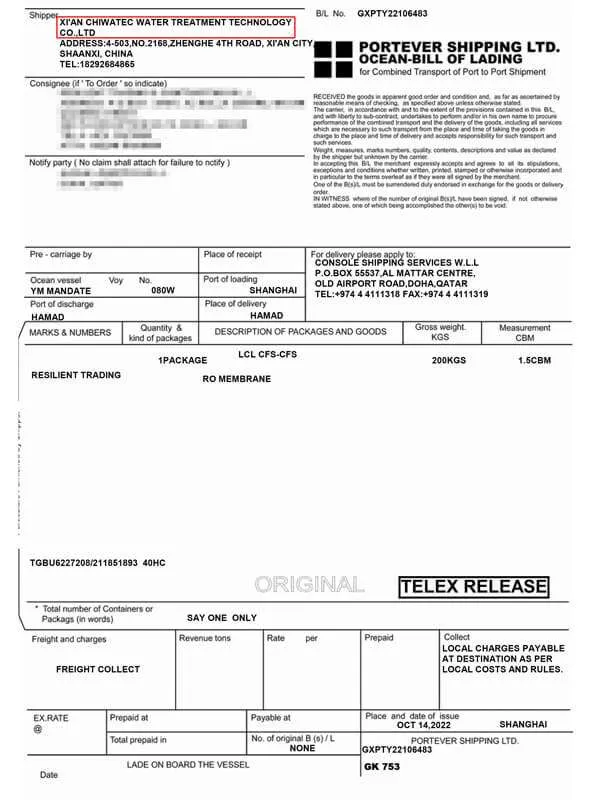
Xi’an CHIWATEC Water Treatment Technology provide the RO membrane to clients both inland and oversea with more than 10years experience. We manufacture our own brand Daltonen RO membrane and we are also the official distributor of Dupont, Toray, CSM, Nitto, LG and Vontron RO membrane. Whatever product you need, we cold meet your requirement.
Contact me for more info and best price.