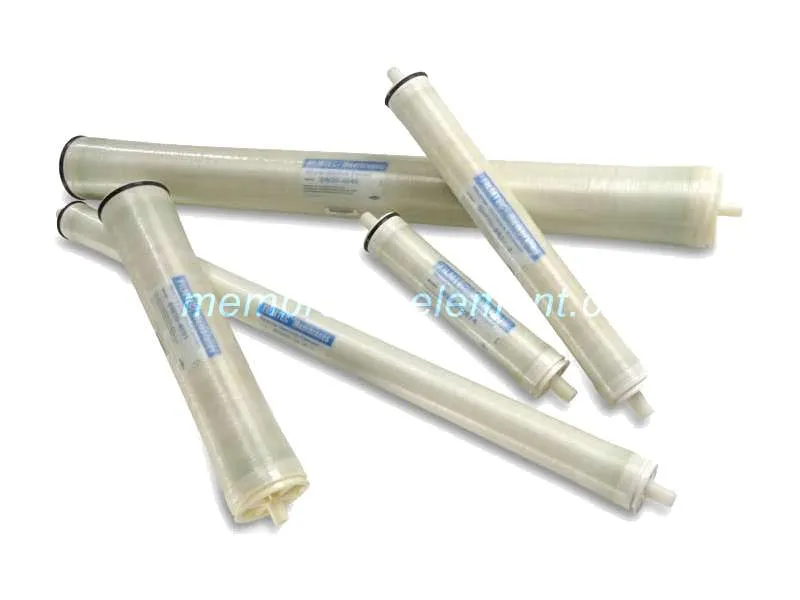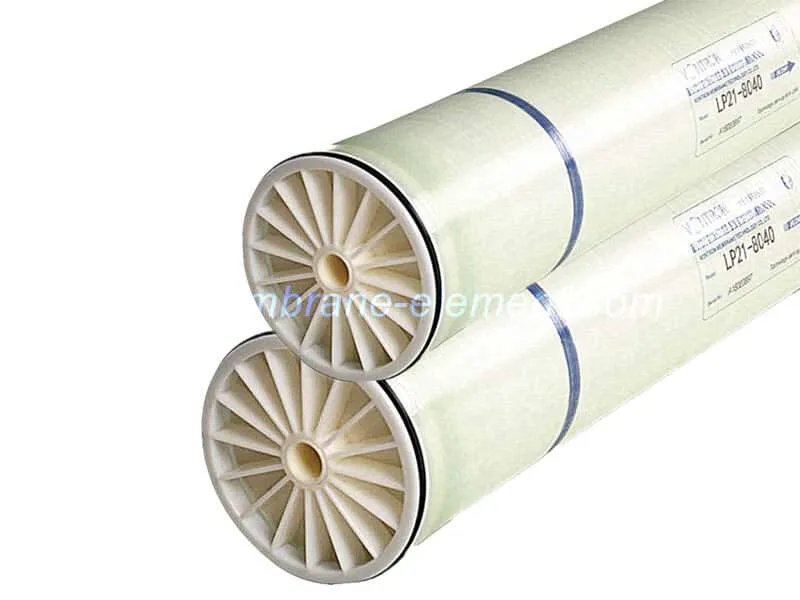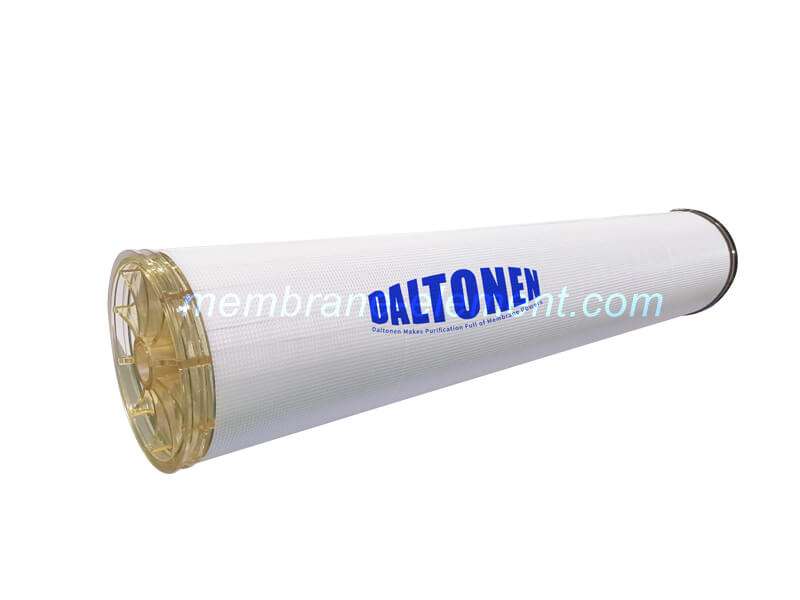
RO membrane cleaning tips are essential for operators who want to prevent membrane fouling, protect polyamide elements, and keep water production stable. Reverse osmosis (RO) membranes separate water from dissolved solids under applied pressure, and the thin-film polyamide layer is highly vulnerable to scaling, organic fouling, and biological growth. When pollutants accumulate, normalized permeate flow drops by 10–15%, feed pressure rises, and salt rejection declines — clear signs that cleaning is overdue. This guide explains how to identify common RO membrane pollutants, recognize fouling warning signs, and apply safe physical flushing and chemical cleaning methods that follow manufacturer guidelines.
1. RO Membrane Cleaning Tips for Long-Term System Performance
The purpose of RO membrane cleaning is not just to restore flux — it is to protect the membrane element from irreversible damage and to keep operating costs under control. A fouled membrane consumes more energy because feed pressure must rise to maintain production, and severe fouling can permanently reduce salt rejection. Cleaning a contaminated membrane once every 3–12 months is the industry-standard maintenance window; the exact interval depends on feed water quality, system recovery rate, and normalized performance data. Applied consistently, these RO membrane cleaning tips also reduce the risk of premature element replacement, which is one of the largest operating costs in a reverse osmosis plant. For detailed parameters on cleaning flow rate, pressure, and frequency, refer to our dedicated cleaning guide.
2. Common RO Membrane Pollutants and How to Identify Them
Identifying the pollutant is the first step of every successful cleaning, because each foulant requires a different cleaning strategy. Feed water analysis and membrane autopsies consistently show that most RO systems suffer from a combination of the following four pollutant families.
2.1 Inorganic scaling
Scaling occurs when sparingly soluble salts exceed their solubility limit in the concentrate stream: calcium carbonate, calcium sulfate, barium sulfate, strontium sulfate, silica, and metal oxide precipitates such as iron, manganese, and aluminum hydroxide. High recovery rates make scaling more likely, and scale deposits are normally removed with acidic cleaners.
2.2 Organic fouling
Organic foulants include humic and fulvic acids, oils and grease, and natural or synthetic organic substances such as scale inhibitors, dispersants, and cationic polyelectrolytes. Alkaline cleaners are typically required to break down organic deposits on the membrane surface.
2.3 Biological fouling
Microorganisms such as algae, molds, fungi, and bacteria can form biofilms on the membrane surface. Biofilms reduce flux and create a protective habitat that shelters bacteria from disinfectants, making biological fouling one of the hardest problems to reverse once established. Biological fouling is treated with alkaline cleaning followed by sanitization.
2.4 Colloidal and particulate fouling
Suspended solids, silt, and colloidal particles deposit on the membrane surface and block the feed spacer. Feed water quality is commonly monitored with the Silt Density Index (SDI), which should typically be below 5 for spiral-wound RO elements. For a deeper analysis of each foulant, see our guide to RO membrane pollutants and scaling types.
3. Signs That Your RO Membrane Needs Cleaning
These RO membrane cleaning tips begin with recognizing the signs that a membrane actually needs attention. Cleaning should be scheduled from normalized operating data, not from a fixed calendar alone; clean the system when any of the following conditions is observed:
- Normalized permeate flow is 10–15% lower than the baseline value at the same feed pressure and temperature;
- Feed pressure must be increased by 10–15% to maintain rated water production;
- Permeate quality has declined, with salt passage increased by 10–15%;
- The pressure differential between system stages has increased significantly;
- A sudden rise in the pressure difference indicates rapid fouling or scaling and requires immediate attention.
If operating data is not fully normalized, the same principles still apply as long as key parameters such as feed temperature and pressure are recorded consistently over time.
4. Physical Flushing vs Chemical Cleaning: Choose the Right Method
RO membrane cleaning tips fall into two complementary methods: physical flushing and chemical cleaning. Choosing the right one — and combining them — depends on the pollutant type and on your normalized operating data.
4.1 Physical flushing
Physical flushing with RO product water (permeate) removes loose deposits from the membrane surface and the feed spacer, and it can be performed more frequently than chemical cleaning. Flushing with product water also reduces cleaning frequency, and soaking membrane elements in product water helps dissolve and detach stubborn dirt. Flushing alone, however, cannot remove scale, biofilms, or strongly adsorbed organics.
4.2 Chemical cleaning
When flushing no longer restores performance, stop the system and perform chemical cleaning. Before dosing any chemical, analyze the fouling situation to determine the pollutant type, then select the matching cleaning agent: acidic cleaners for inorganic scale, alkaline cleaners for organic and biological fouling, and chelating agents for metal oxide deposits. Circulate the cleaning solution at low pressure, soak for the time recommended by the chemical supplier, and rinse thoroughly with RO product water. Always observe the rules for using chemical cleaning agents to avoid damaging the elements.
4.3 Cleaning frequency
A typical cleaning cycle is once every 3–12 months, depending on feed water quality, recovery rate, and operating conditions. Systems treating challenging water — high SDI, high hardness, or high biological activity — need more frequent cleaning. Chemical cleaning and physical flushing work best in combination: flush frequently to extend the interval between chemical cleanings, and clean chemically as soon as monitoring data crosses the 10–15% thresholds.
5. Special Tips for Cleaning Polyamide RO Membranes
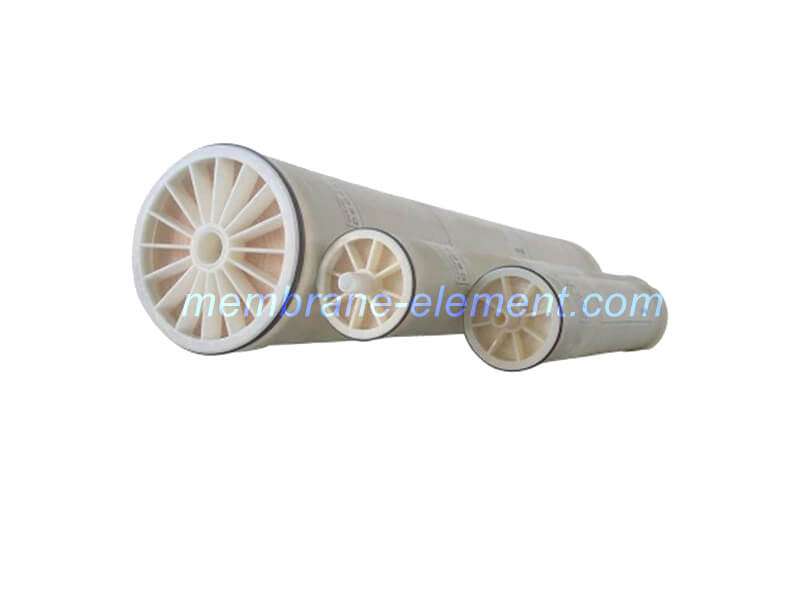
The following RO membrane cleaning tips are especially important for composite polyamide reverse osmosis and nanofiltration elements with diameters of 4, 6, 8, and 8.5 inches — the most widely used elements in industrial water treatment.
5.1 Never expose polyamide membranes to free chlorine
Free chlorine oxidizes the polyamide layer and causes irreversible damage that no cleaning can reverse. Always check the feed water for free chlorine after sterilization, cleaning, and storage protection procedures, and verify that no residual chlorine remains before the water contacts the membranes.
5.2 Neutralize residual chlorine with sodium bisulfite
If free chlorine is detected, reduce it with sodium bisulfite (SBS). As a general dosing reference, add 1.8–3.0 ppm of SBS for every 1.0 ppm of free chlorine, then retest to confirm that the residual is zero before starting the membrane system.
5.3 Avoid cationic and amphoteric surfactants
Cationic and amphoteric surfactants can interact with anionic antiscalants and dispersants already present in the system and irreversibly reduce membrane water production. Use only cleaning chemicals recommended by the membrane manufacturer for polyamide elements.
5.4 Respect pH and temperature limits
Clean within the pH and temperature ranges specified by the manufacturer — commonly pH 2–11 and temperatures below 45 °C (113 °F) for polyamide elements. Consult your membrane supplier before cleaning if you are unsure about chemical compatibility.
5.5 Use compatible cleaning chemicals only
Never mix incompatible cleaning chemicals, and always follow the membrane manufacturer’s guidelines for polyamide thin-film composite elements. When in doubt, ask the supplier for a cleaning recommendation based on your feed water analysis.
6. Preventive Maintenance and Monitoring
6.1 Track normalized performance data
Record feed pressure, permeate flow, salt rejection, and pressure differential on a regular schedule and compare them with the baseline. Normalizing data for temperature makes trends reliable, so cleaning can be scheduled before performance drops below the 10–15% thresholds.
6.2 Clean before long-term shutdowns
Membranes that will be idle for a long period should be cleaned and stored according to the manufacturer’s instructions to prevent biological growth and deposit hardening.
6.3 Choose a reliable membrane supplier
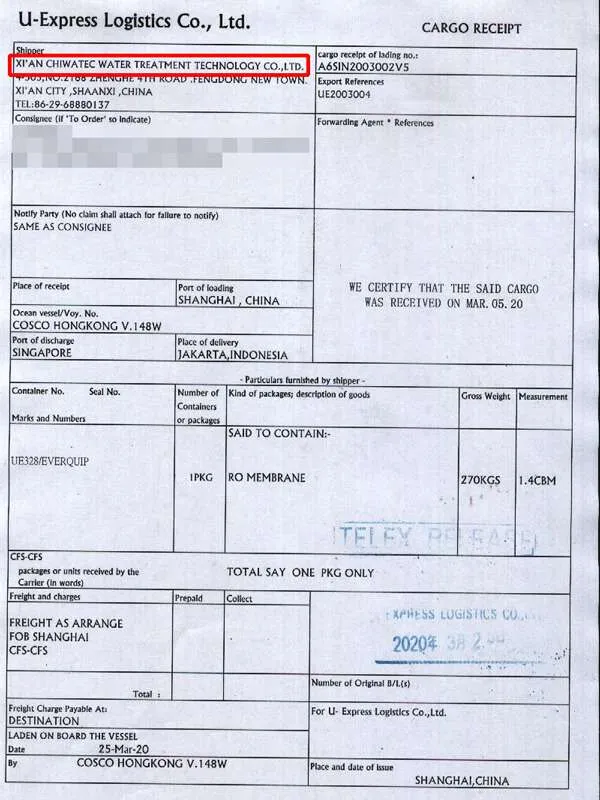
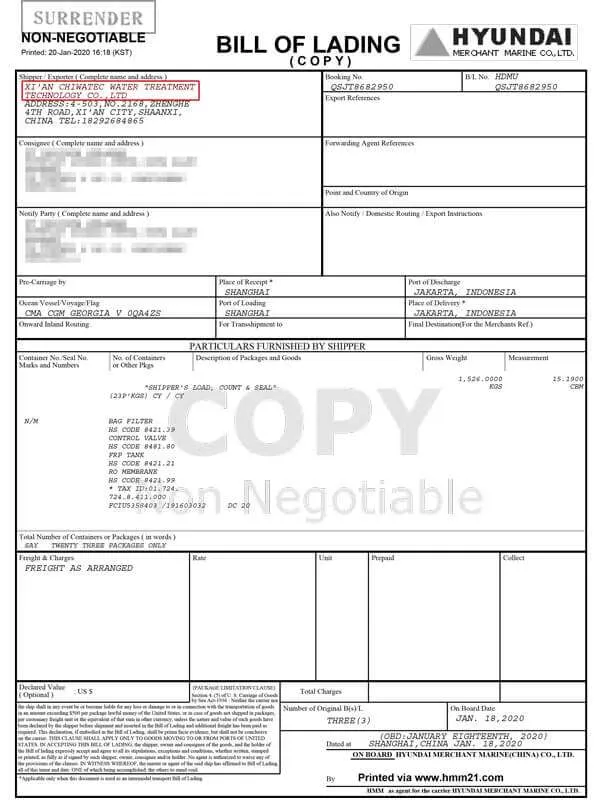
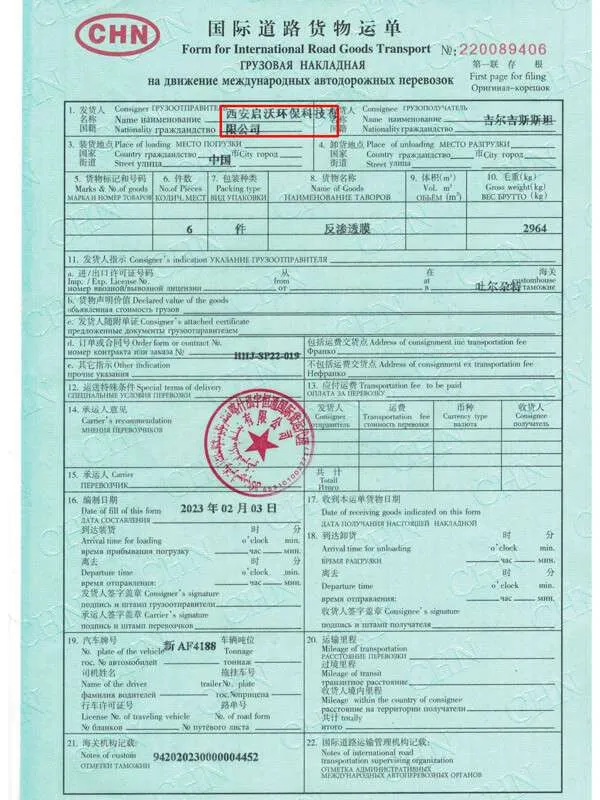
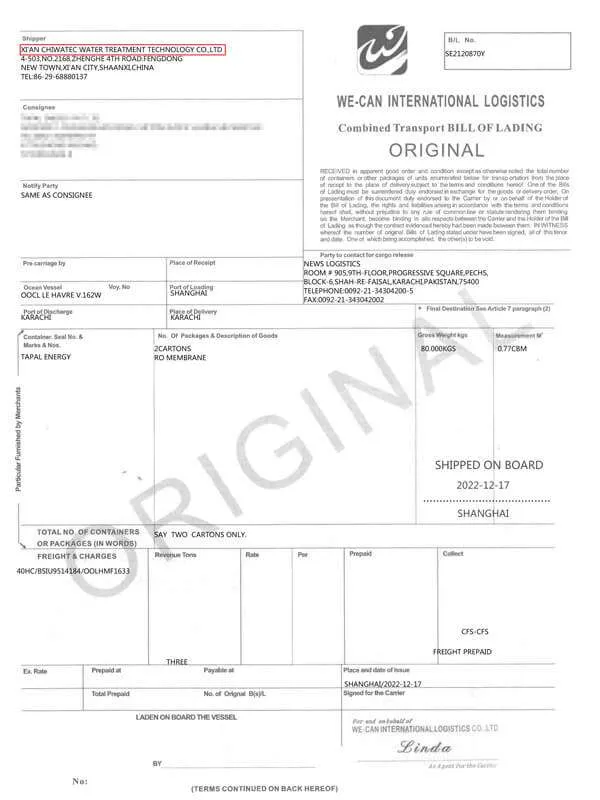
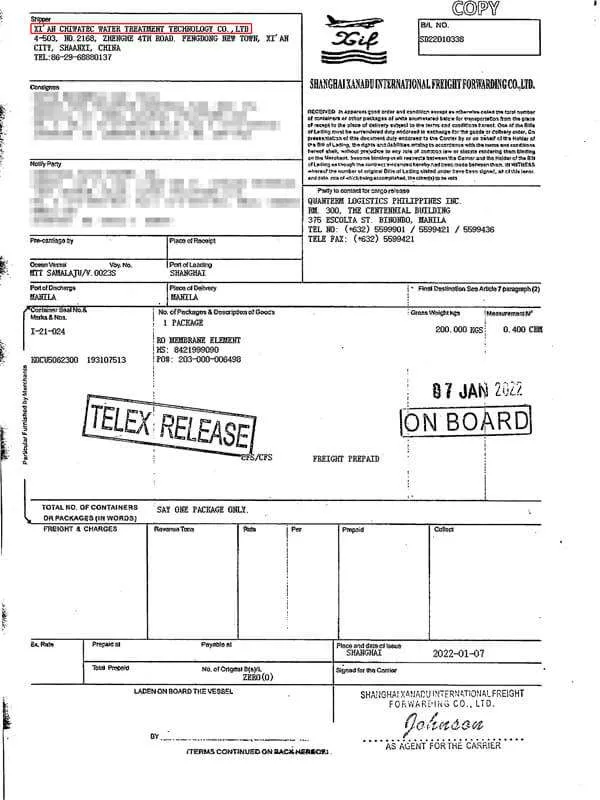
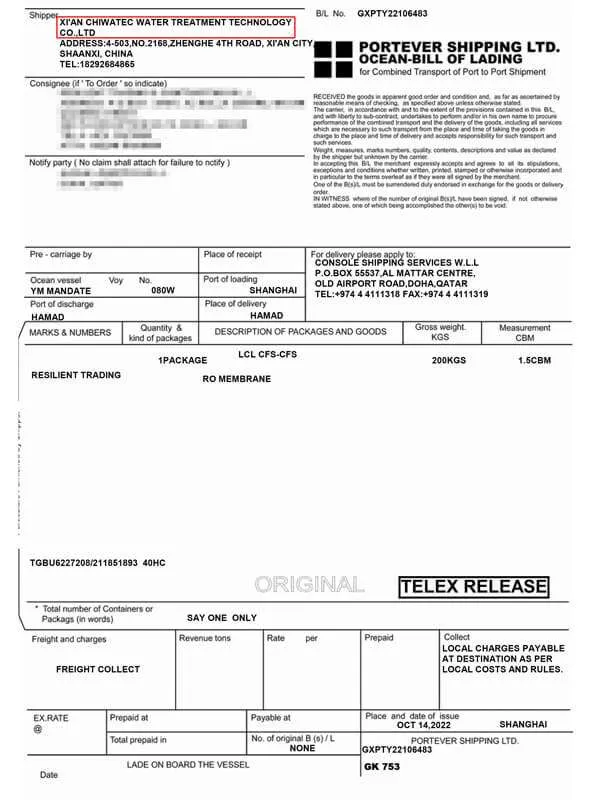
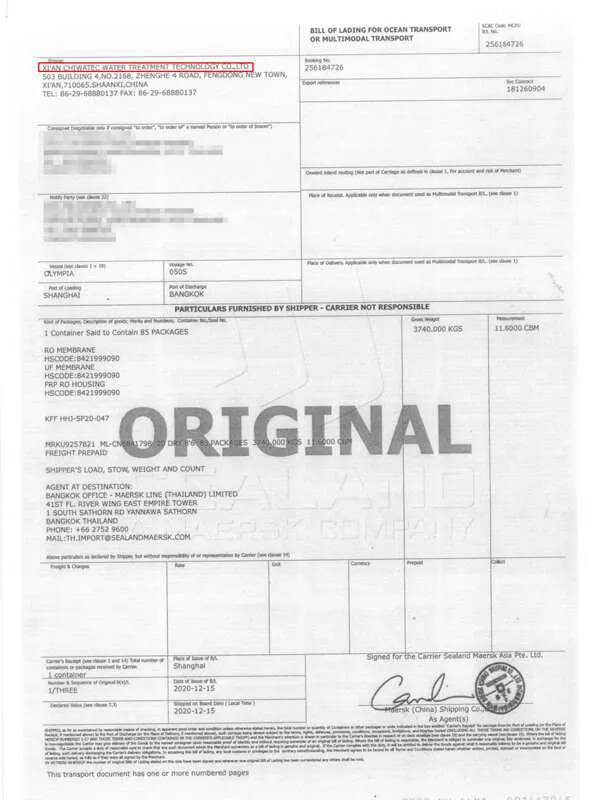
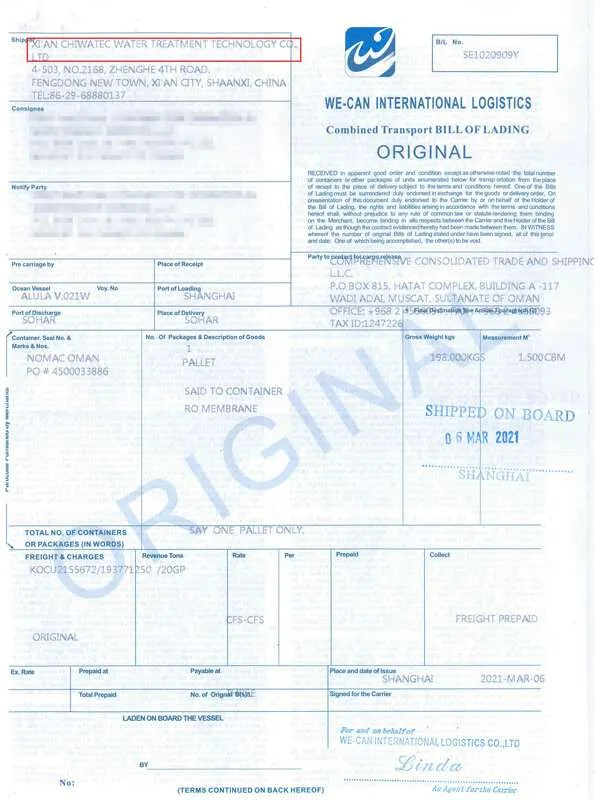
Work with a supplier that provides genuine membrane elements and technical support. Xi’an CHIWATEC has more than 10 years of experience supplying RO membranes to clients inland and overseas, manufacturing the Daltonen brand and distributing Dupont, Toray, CSM, Nitto, LG, and Vontron elements. For strategies that reduce fouling before it starts, read our guide to preventing fouling in reverse osmosis membranes.
Conclusion
RO membrane cleaning tips are not optional maintenance advice — they determine whether a reverse osmosis system runs reliably for years or suffers premature element failure. Identify pollutants accurately, act on the 10–15% warning signs, clean with the right chemicals at the right frequency, and never let free chlorine reach a polyamide membrane. Apply these RO membrane cleaning tips together with normalized performance monitoring and manufacturer guidance, and your system will keep stable water production, lower energy costs, and a longer membrane service life. For membrane selection, cleaning chemicals, or technical advice, contact our team by email and we will respond shortly.
FAQ:
How often should RO membranes be cleaned?
In most systems, cleaning is needed every 3–12 months. The exact interval depends on feed water quality, recovery rate, and normalized operating data. Clean whenever normalized permeate flow drops or feed pressure rises by 10–15%.
Can chlorine be used to clean RO membranes?
No. Polyamide thin-film composite RO membranes must never contact free chlorine, which oxidizes the polyamide layer and causes irreversible damage. Test the feed water after sterilization or disinfection, and neutralize residual chlorine with sodium bisulfite (1.8–3.0 ppm SBS per 1.0 ppm free chlorine) before the water reaches the membranes.
What chemicals are safe for cleaning RO membranes?
The safe choice depends on the pollutant: acidic cleaners for inorganic scale such as calcium carbonate and metal oxides, alkaline cleaners for organic and biological fouling, and chelating agents where required. Avoid cationic and amphoteric surfactants, and always follow the membrane manufacturer’s guidelines.
What is the difference between physical flushing and chemical cleaning?
Physical flushing uses RO product water to remove loose deposits and can be performed frequently. Chemical cleaning dissolves scale, biofilms, and adsorbed organics, and is used when flushing alone no longer restores performance. The two methods work best in combination.
What are the early signs of RO membrane fouling?
The most reliable signs are normalized permeate flow 10–15% below baseline, feed pressure 10–15% higher at the same production rate, salt passage increased by 10–15%, and a significantly higher pressure differential between stages.
Related Resources
- Reverse Osmosis Membrane Cleaning Guide: Flow Rate, Pressure, and Frequency Best Practices
- What Rules Must Be Followed When Using Chemical Cleaning Agents for RO Membranes
- Reverse Osmosis Membrane Pollutants and Scaling Types: Causes, Risks, and Cleaning Solutions
- Effective Strategies for Preventing Fouling in Reverse Osmosis Membranes
- Dupont RO Membrane Elements
Xi’an CHIWATEC Water Treatment Technology provide the RO membrane to clients both inland and oversea with more than 10years experience. We manufacture our own brand Daltonen RO membrane and we are also the official distributor of Dupont, Toray, CSM, Nitto, LG and Vontron RO membrane. Whatever product you need, we cold meet your requirement.
Contact me for more info and best price.