RO membrane chemical cleaning rules exist because the same chemistry that restores a fouled membrane can destroy it when applied incorrectly. Certified agents, controlled pH and temperature, the correct cleaning sequence, and strict safety protocols are the difference between a recovered element and a warranty claim.
This guide covers the essential rules for chemical cleaning: certification and compatibility checks, the pH 4–10 operating window, the low-pH-to-high-pH cleaning sequence, biofouling treatment, and the safety rules for handling cleaning chemicals. For which cleaner to select, see our RO membrane cleaning agent selection guide.
RO Membrane Chemical Cleaning Rules: Certification and Compatibility
Before using any cleaning chemical, verify that it has been:
- Certified by the supplier and proven safe for RO membranes
- Listed in the technical manual of the membrane manufacturer
- Non-conflicting with the recommended cleaning guidelines provided by the membrane supplier
Using uncertified chemicals can cause irreversible membrane damage or void warranties. This first rule is the one operators most often skip — and the one with the most expensive consequences. The complete rule set is summarized below:
| Rule | Key Requirement | Consequence of Violation |
| Certification and compatibility | Supplier-certified, listed in membrane manual | Irreversible damage, voided warranty |
| pH control | pH 4–10 conservative, pH 2–12 maximum | Chemical degradation of the membrane |
| Temperature | Follow optimum cleaning temperature | Heat damage or reduced cleaning efficiency |
| Contact time | Short cycles, no overexposure | Over-cleaning damage |
| Cleaning sequence | Low pH before high pH; stage by stage | Foulant re-deposition or oil solidification |
| Safety handling | Add chemical to water; never mix acid and caustic | Violent reactions, operator injury |
Cleaning Parameters That Must Be Controlled
The effectiveness of chemical cleaning depends on several operating conditions that must be controlled within the membrane manufacturer’s limits:
- pH range:
- Conservative safe range: pH 4–10
- Maximum allowed range: pH 2–12
- Staying within the correct pH prevents chemical degradation of the membrane material
- Flow and pressure during chemical circulation:
- Circulate at low pressure and elevated flow so the solution reaches every channel without compacting deposits
- Follow the flow and pressure limits in the cleaning parameters guide while chemicals are in the system
Physical parameters — flow rate and pressure — are covered in our RO membrane cleaning parameters guide, and solution preparation in the cleaning solution preparation guide.
Temperature and Contact Time Limits
Two operating conditions determine how aggressively a cleaning solution works without damaging the membrane:
- Temperature:
- Always follow the recommended optimum cleaning temperature
- Excess heat can damage membranes, while too low a temperature may reduce cleaning efficiency
- As a practical bound, keep cleaning temperature at or below the membrane manufacturer’s maximum — typically around 40–45 °C for polyamide elements
- Contact time:
- Limit the time chemicals are in contact with the membrane to avoid overexposure
- Multiple shorter cleaning cycles are more effective than prolonged single cleanings
- Circulation time followed by a controlled soak matches the contact time to the foulant being dissolved
Applying the right temperature and contact time keeps repeated cleaning cycles effective over the membrane’s service life.
Recommended Cleaning Sequence: Low pH to High pH
The order in which cleaners are applied is one of the most important RO membrane chemical cleaning rules:
- Low pH to high pH: normally, cleaning starts with a low-pH solution to remove scale and inorganic deposits, followed by a high-pH solution to remove organics and biofouling
- Oil exception: when membranes are contaminated with oil, avoid starting with low pH, as oils may solidify and worsen fouling
Segmented cleaning for multi-stage RO systems:
- Clean stage by stage rather than all at once
- This prevents back-stage membrane blockage from pollutants flushed out of the front stage
Identifying which foulant drives the sequence is covered in our fouling causes and scaling guide.
Biological Contamination Considerations
If the RO system shows signs of biofouling, add a biocide cleaning step after chemical cleaning. The biocide must be:
- Compatible with membranes (non-damaging)
- Safe for human health when handled properly
- Cost-effective and capable of controlling biological growth long-term
Biocides can be applied immediately after cleaning or dosed regularly during operation (e.g., once a week). Regular biocide dosing is a key prevention measure — see the biofouling section of our fouling causes guide for the full treatment framework.
Safety Rules for Chemical Cleaning
When handling chemical cleaning agents, follow strict safety protocols — these rules protect both the operator and the system:
- Ensure all hoses and pipelines can withstand the cleaning temperature, pH and pressure
- Always add chemicals slowly into water, never the reverse, while stirring to ensure proper dilution
- Never mix acids with caustic agents, as this can cause violent reactions
- After cleaning, flush the system thoroughly with RO-permeate or treated water to remove residual chemicals before resuming operation
Following these safety rules keeps chemical cleaning both effective and incident-free.
Conclusion
Chemical cleaning is essential for maintaining high efficiency and long service life of reverse osmosis membranes. By following the RO membrane chemical cleaning rules — using certified agents, maintaining proper pH and temperature, applying the correct cleaning sequence, considering biofouling treatment, and observing strict safety measures — you can maximize cleaning effectiveness while protecting expensive membrane elements.
A well-planned cleaning strategy not only restores performance but also reduces long-term operating costs. For professional cleaning solutions, RO membranes and technical support, contact us:
FAQ: Chemical Cleaning Rules for RO Membranes
Q1: What is the safe pH range for RO chemical cleaning?
The recommended range is pH 4–10, with an absolute maximum of pH 2–12. Staying within the conservative range prevents chemical degradation of the polyamide membrane material.
Q2: Can I use any cleaning agent for my RO membranes?
No. Only use certified and manufacturer-approved agents listed in the membrane technical manual. Uncertified chemicals can cause irreversible membrane damage or void the warranty — this is the first of the RO membrane chemical cleaning rules for a reason.
Q3: How often should RO membranes be chemically cleaned?
Frequency depends on water quality and fouling level, but regular maintenance cleaning is better than infrequent, aggressive cleaning. Trigger-based scheduling — 10–15% performance changes — is covered in our cleaning triggers guide.
Q4: Is a biocide necessary for RO cleaning?
Only when biological fouling is detected. Compatible biocides should be used carefully to prevent health risks and membrane damage, applied after chemical cleaning or dosed weekly during operation.
Q5: Why can't I mix acids and caustics in RO cleaning?
Mixing acids with caustics can cause dangerous chemical reactions and damage system components. Always add chemicals slowly into water, never the reverse, and never combine acid and alkaline cleaners in one solution.
Related Resources
- RO Membrane Cleaning Agent Selection: Complete Guide 2026
- Preparing RO Membrane Cleaning Solutions: Complete Guide 2026
- RO Membrane Pollutant Cleaning: Complete Guide 2026
- RO Membrane Cleaning Parameters: Flow Rate, Pressure and Frequency Guide 2026
- Dupont RO Membrane Elements — browse our RO membrane product range
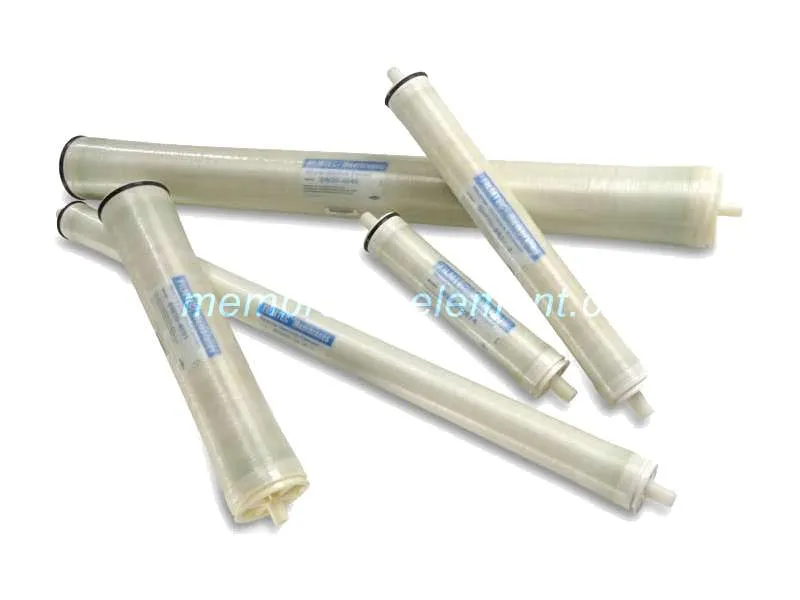
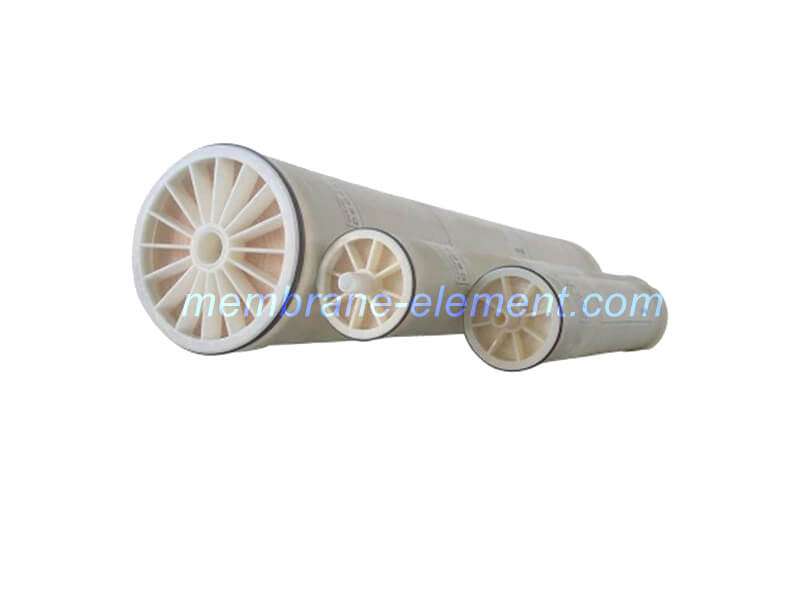
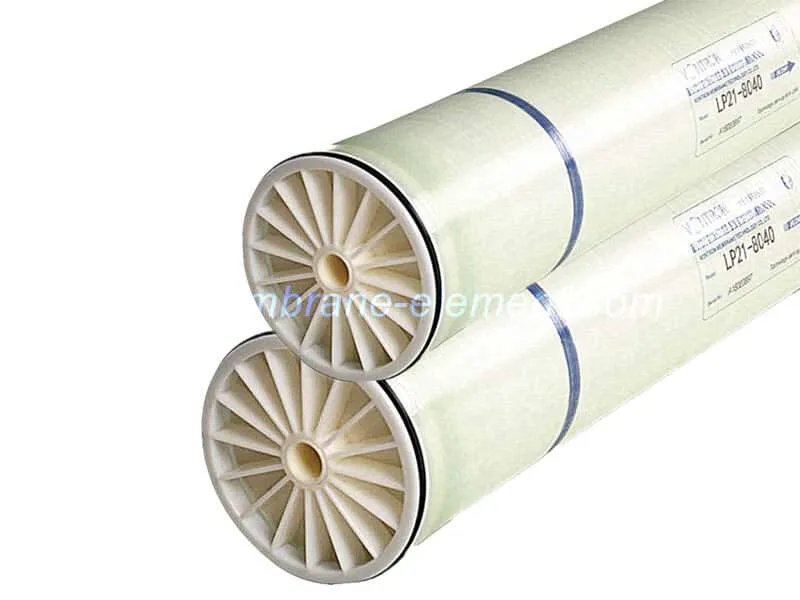
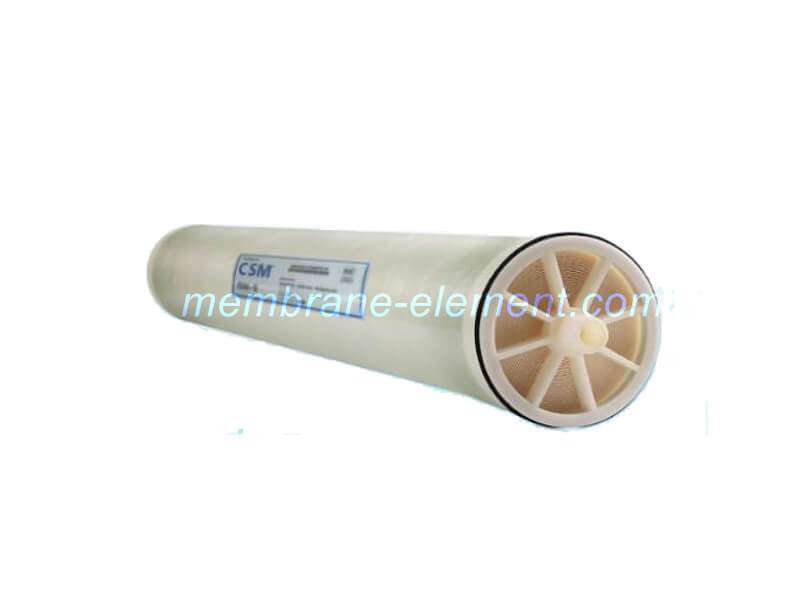
Xi’an CHIWATEC Water Treatment Technology provide the RO membrane to clients both inland and oversea with more than 10years experience. We manufacture our own brand Daltonen RO membrane and we are also the official distributor of Dupont, Toray, CSM, Nitto, LG and Vontron RO membrane. Whatever product you need, we cold meet your requirement.
Contact me for more info and best price.