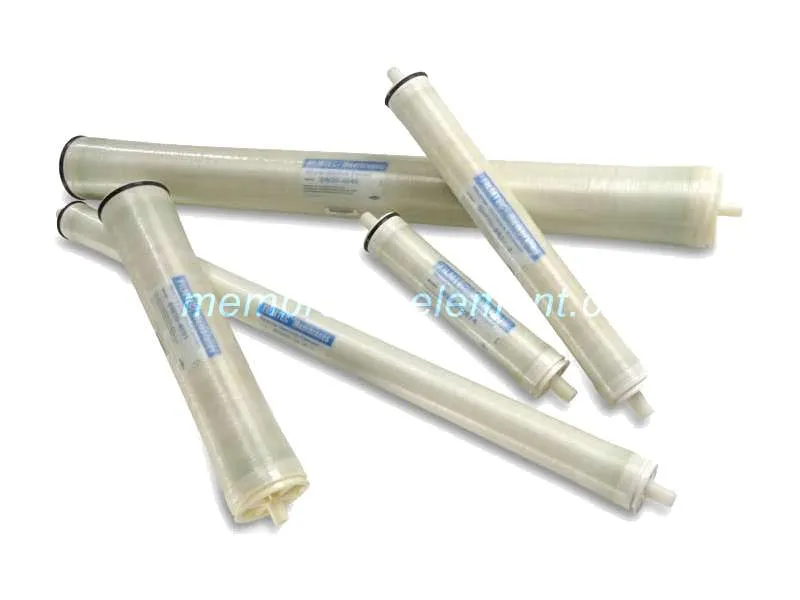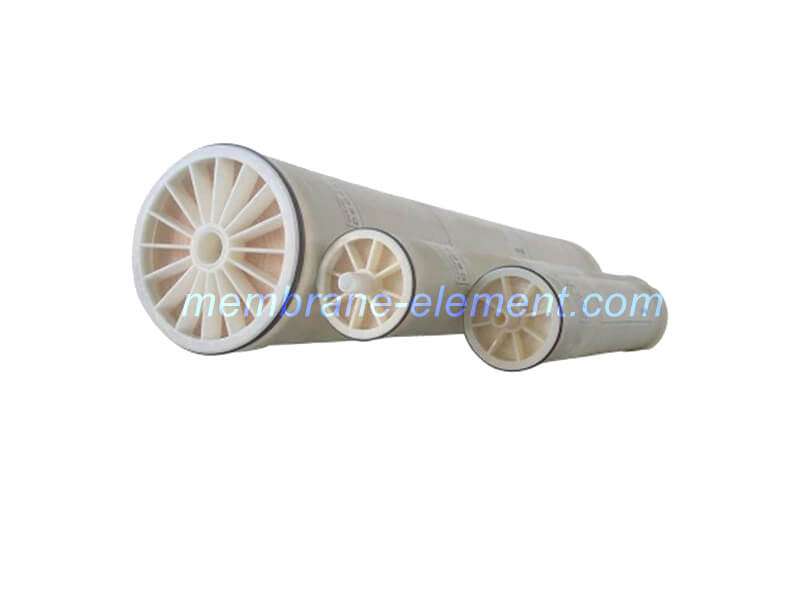
Preventing RO membrane fouling is far more cost-effective than cleaning or replacing membranes after the damage is done. Fouling is a persistent challenge in maintaining the optimal performance of reverse osmosis (RO) membranes — it raises energy consumption, lowers water production, and shortens membrane life. This guide covers the proven strategies that protect membrane elements: raw water pretreatment, pressure management, turbulence control, post-operation dosing, and early fouling detection, so your reverse osmosis equipment keeps delivering rated performance for years.
Preventing RO Membrane Fouling: Why Prevention Beats Cleaning
Preventing RO membrane fouling begins with understanding what fouling costs. When a membrane fouls, the system needs higher feed pressure to maintain production (raising energy use), production drops as flux declines, and cleaning chemicals and downtime add operating expense. A single severe fouling event can permanently damage the polyamide skin layer, forcing element replacement.
Prevention is a system-level habit, not a single action. The five pillars below — pretreatment, pressure, turbulence, shutdown protection, and monitoring — work together to keep foulants away from the membrane surface in the first place.
- Pretreatment removes foulants before they reach the membrane.
- Pressure control avoids compaction and over-flux conditions.
- Turbulence limits concentration polarization at the membrane surface.
- Shutdown protection prevents biological growth during downtime.
- Monitoring catches problems while they are still reversible.
| Strategy | Key Measures | Primary Target |
| Raw water pretreatment | SDI15 < 5, filtration, antiscalant dosing, disinfection | Particles, colloids, biofilms |
| Optimal operating pressure | Manufacturer-rated range, no sudden spikes | Membrane compaction |
| Turbulence control | Minimum brine flow, recovery limits, spacer matching | Concentration polarization, scaling |
| Post-operation dosing | SBS or formaldehyde soak during shutdown | Biological growth |
| Monitoring and cleaning | Track production, clean at 10–15% drop | Early-stage fouling |
Raw Water Pretreatment: The First Line of Defense
Proper pretreatment of raw water is paramount in preventing fouling. Carefully assess the pollution index (SDI15) of the feed water — for RO systems, SDI15 should stay below 5 and ideally below 3, with turbidity below 1 NTU — and prioritize measures that reduce contaminants before they reach the membrane.
Key pretreatment steps include:
- Media filtration — removes suspended solids, colloids, and particulate matter.
- Cartridge filtration (5 µm or finer) — protects the high-pressure pump and membrane from residual particles.
- Antiscalant dosing — inhibits calcium carbonate, sulfate, and silica scaling on the concentrate side.
- Sterilization and disinfection — curbs the growth of microorganisms within the system, a common contributor to biofouling.
Understanding the types of RO membrane pollutants and scaling helps you design pretreatment for the specific foulants in your feed water — organic matter, biofilms, colloids, and sparingly soluble salts each need a different defense.
Optimal Operating Pressure: Balancing Output and Membrane Integrity
Maintaining a suitable operating pressure is crucial for efficient RO equipment performance. While increasing pressure can enhance water production, excessive pressure may lead to membrane compaction — the permanent densification of the membrane skin that reduces flux irreversibly. Striking a balance is essential to maximize production without compromising membrane integrity.
Practical pressure guidelines:
- Stay within the manufacturer’s rated pressure range — typical RO operation runs at 10–41 bar for brackish water and 55–70 bar for seawater.
- Avoid sudden pressure spikes — rapid pressurization stresses the membrane and its bonding lines, risking back pressure damage.
- Adjust for temperature — flux rises roughly 3% per 1 °C; compensate pressure as feed temperature changes.
- Do not chase production with pressure alone — if output is low, check fouling and temperature before raising pressure.
Turbulence and Concentration Polarization Control
Sustaining a turbulent state on the brine side during RO operation is key to reducing concentration polarization on the membrane surface. In a spiral-wound element, the feed spacer creates turbulence that keeps dissolved salts mixed; when flow drops too low, a concentrated boundary layer forms at the membrane surface, and insoluble salts precipitate there.
This proactive approach helps prevent the precipitation of insoluble salts, minimizing the risk of fouling and ensuring consistent membrane performance. Preventing RO membrane fouling at this stage means:
- Maintain minimum brine flow — keep concentrate flow above the element’s minimum, typically 20–25% of feed flow per stage.
- Control system recovery — recovery above the design value concentrates the brine and raises scaling potential.
- Match the feed spacer to water quality — thicker spacers tolerate higher SDI feed but reduce turbulence; choose per the manufacturer’s guidelines.
- Monitor pressure drop across stages — a rising differential pressure indicates flow-channel fouling.
Post-Operation Dosing and Long-Term Storage Protection
When RO equipment is temporarily out of operation, immediate dosing should be performed to protect the system. A membrane left wet but stagnant becomes a breeding ground for microorganisms, and biological growth is one of the hardest fouling types to reverse.
- Short shutdowns (under 48 hours) — flush the system with permeate or good-quality water every 12–24 hours, or keep a slow recirculation running.
- Medium shutdowns (2–14 days) — soak elements in a 1% sodium bisulfite (SBS) solution to inhibit biological activity.
- Long-term storage — use a preserving solution such as 1% SBS or 0.5–1% formaldehyde, seal the elements airtight, and re-dose every 30 days.
- Keep elements wet at all times — drying out irreversibly damages the polyamide layer.
Additionally, for extended periods, consider formaldehyde protection to prevent the development of fouling issues in the long term.
Monitoring and Cleaning: Detecting Fouling Before It Damages Membranes
Monitoring water production is crucial in detecting signs of membrane fouling or pollution. Track normalized production, salt rejection, and stage pressure drops, and compare them against the baseline established at commissioning.
- Production drop of 10–15% — a clear fouling signal; begin diagnosis immediately.
- Pressure drop rise of 15% — indicates flow-channel fouling or scaling.
- Salt passage increase — suggests membrane damage, seal leaks, or severe concentration polarization.
If a significant reduction in water production occurs, indicating fouling issues, chemical cleaning should be promptly initiated to restore optimal membrane functionality. Follow the RO membrane pollutant cleaning procedures — pH-adjusted cleaners for scaling, alkaline cleaners for organic and biological fouling.
Conclusion
Preventing RO membrane fouling requires a comprehensive approach: raw water pretreatment, pressure management, turbulence control, post-operation dosing, and continuous monitoring. By adopting these proactive measures, water treatment professionals can ensure the sustained efficiency and longevity of reverse osmosis equipment, contributing to reliable and high-performance water purification.
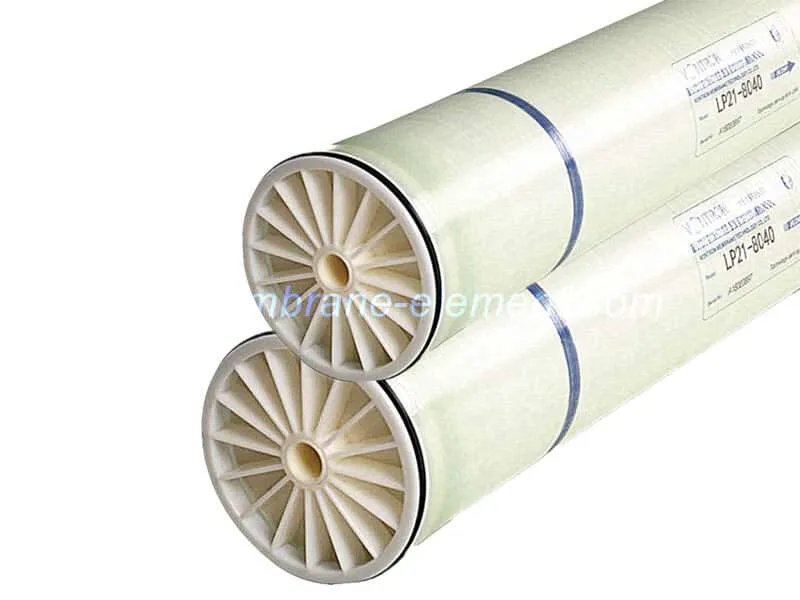
CHIWATEC supplies Daltonen, Dupont, Toray, CSM, Nitto, LG, and Vontron RO membranes with more than ten years of export experience. Contact us at [email protected], [email protected], or [email protected] for membrane selection and fouling-prevention support.
FAQ:
What is the most effective way of preventing RO membrane fouling?
The most effective approach combines raw water pretreatment (SDI15 below 5, ideally below 3), antiscalant dosing, brine-side turbulence, recovery control, and regular monitoring. Preventing RO membrane fouling is a system-level practice — no single measure is enough.
How often should an RO membrane be cleaned to prevent fouling?
Clean when normalized production drops 10–15%, differential pressure rises 15%, or salt passage increases — not on a fixed calendar alone. In practice, well-maintained RO systems need cleaning every 3–12 months depending on feed water quality.
Can high operating pressure cause membrane fouling?
High pressure itself does not cause fouling, but it accelerates membrane compaction and increases water flux, which intensifies concentration polarization and scaling potential. Operate within the manufacturer’s rated pressure range.
How should RO membranes be stored during long shutdowns?
Flush the system, then soak elements in a preserving solution — 1% sodium bisulfite or 0.5–1% formaldehyde — seal them airtight, and re-dose monthly. Never let the membrane dry out.
Xi’an CHIWATEC Water Treatment Technology provide the RO membrane to clients both inland and oversea with more than 10years experience. We manufacture our own brand Daltonen RO membrane and we are also the official distributor of Dupont, Toray, CSM, Nitto, LG and Vontron RO membrane. Whatever product you need, we cold meet your requirement.
Contact me for more info and best price.