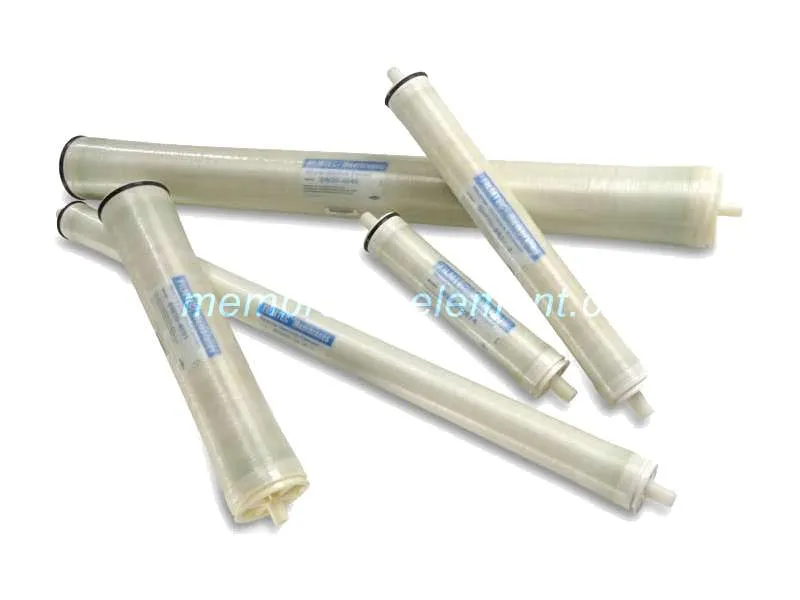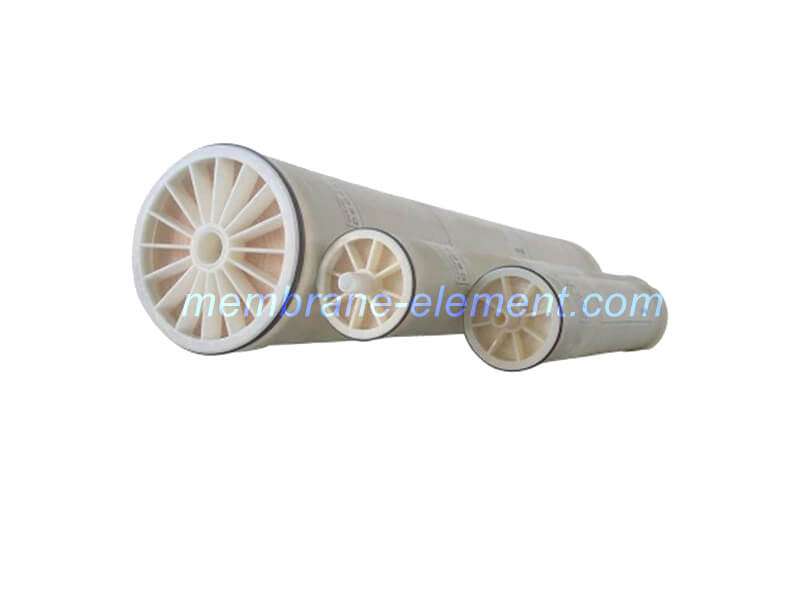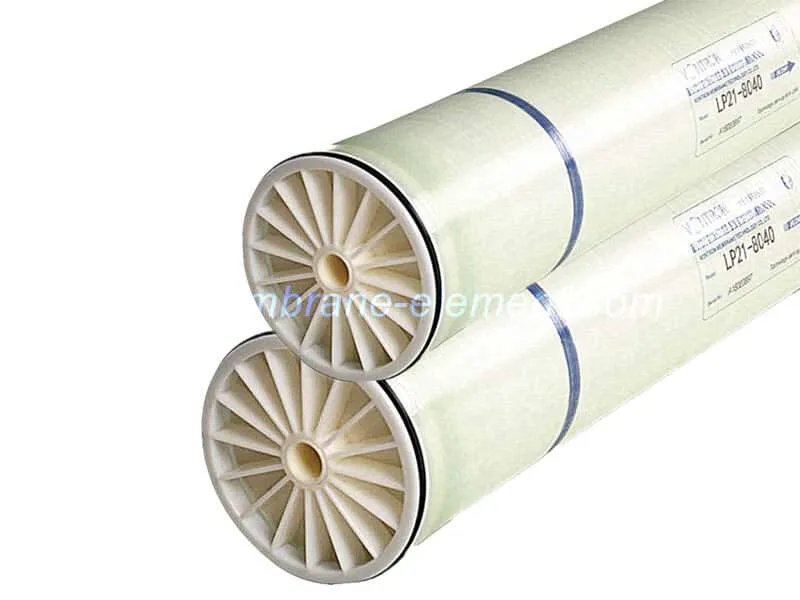
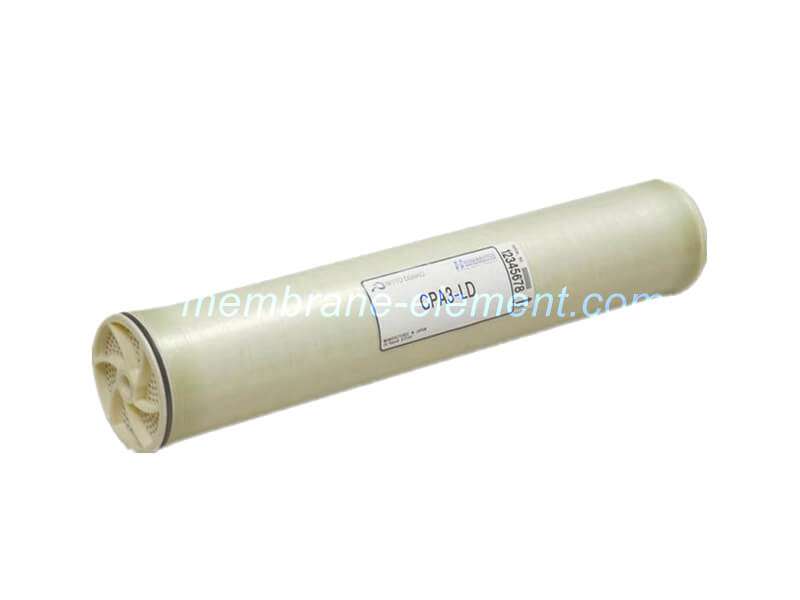
RO membrane cleaning agent selection determines whether a cleaning cycle restores performance or wastes chemicals — or worse, damages the membrane. Matching the cleaning agent to the foulant type is the first rule of effective membrane maintenance: calcium carbonate scale needs a different cleaner than organic deposits, and the wrong choice can make fouling irreversible. This guide explains how to select the right RO membrane cleaning agent for each pollutant found in 4-inch, 6-inch, 8-inch, and 8.5-inch reverse osmosis membrane elements, using the RT-818 series as the practical example.
RO Membrane Cleaning Agent Selection: Match the Chemical to the Foulant
RO membrane cleaning agent selection starts with a detailed chemical analysis of the contaminants. Cleaning before you know the foulant composition is guesswork: an acidic cleaner will not dissolve organic films, and an alkaline cleaner will not lift calcium sulfate scale.
Follow this three-step selection process:
- Identify the foulant — analyze feed water and membrane autopsies; classify the deposit as scaling, organic, biological, or colloidal.
- Match the cleaning agent family — acidic cleaners for mineral scale, alkaline cleaners and sterilizers for organic and biological deposits.
- Verify compatibility — confirm the cleaner is approved for polyamide composite membranes and free of cationic surfactants.
Understanding the types of RO membrane pollutants and scaling is the foundation for this matching process — each foulant class below pairs with its proven cleaning agent.
Calcium Carbonate Scale: pH Adjustment and RT-818A Treatment
Calcium carbonate is the most common scale in RO systems, and it is also the easiest to remove when caught early:
- Detection and early removal — lower the feed water pH to 3.0–5.0 for 1–2 hours to dissolve fresh carbonate scale before it hardens.
- Long-term scale — utilize RT-818A cleaning solution for circulation or overnight soaking to break down established deposits.
- pH considerations — caution against extreme pH values; use ammonia or acids for pH adjustment and stay within the membrane manufacturer’s limits.
For the complete wash-and-rinse routine around this step, follow the RO membrane cleaning steps — flush, circulate, rinse, and restart.
Calcium Sulfate and Metal Oxide Scale: Choosing the Right Cleaner
Calcium sulfate scale is harder to dissolve than carbonate scale and often requires a dedicated cleaner:
- Calcium sulfate scale — use RT-818B cleaning agent for effective elimination; sulfate scale responds poorly to simple pH reduction.
- Metal oxide scale — apply the same approach as for calcium carbonate scale (acidic cleaning, pH 3.0–5.0 range), because iron and manganese oxides dissolve in low-pH environments.
Do not let sulfate or metal oxide scale accumulate — both are common causes of the differential pressure rises and production losses that force premature membrane replacement.
Silica Scale and Organic Deposits: Specialized Cleaning Agents
Silica and organic deposits are the most challenging foulants because they do not respond to standard acid or alkali cleaners alone:
- Silica scale — consult the company for detailed methods tailored to silica scale characteristics; polymeric silica often needs specialized high-pH cleaners and longer contact times.
- Organic deposits — deploy RT-818C cleaning agent for organic deposit removal.
- Sterilization — use approved sterilizing solutions to prevent reproduction of biological foulants after cleaning.
- Fungicide use — consult with the company for the appropriate fungicide during extended shutdowns.
Organic and biological fouling is exactly what fouling prevention measures are designed to avoid — cleaning agents remove the deposit, but pretreatment and storage hygiene stop it returning.
Safe Cleaning Practices: Temperature, Duration, and Chemical Limits
Even the correct cleaning agent fails — or damages the membrane — if the cleaning parameters are wrong. Three notes from membrane manufacturers are critical:
- Note 1 — never expose composite membranes to free chlorine. Laboratory-tested confirmation should be carried out before every clean; if residual chlorine is present, use acid solutions for neutralization, ensuring the reaction is complete before the cleaning solution circulates.
- Note 2 — consult field service personnel during the warranty period. Professional guidance for RO membrane cleaning protects both the membrane and the warranty.
- Note 3 — never use cationic surfactants. They cause irreversible membrane contamination; use only cleaners approved for polyamide composite membranes.
Operational limits for all cleaning cycles:
- Temperature — perform all cleaning at or below 40 °C.
- Duration — maximum 60 minutes per circulation cycle.
- Pressure and flow — circulate the cleaning solution on the high-pressure side of the membrane at low pressure and large flow rate.
- Equipment — special cleaning devices are recommended while the membrane element remains installed in the pressure vessel.
Always review the rules for using chemical cleaning agents before starting any chemical clean.
Cleaning Solution Preparation and Record Keeping
Preparation and documentation turn a one-off clean into a repeatable maintenance procedure. Record the RO membrane cleaning agent selection in a cleaning log so the same foulant gets the same proven treatment next time:
- Recommended cleaning agents — utilize the RT-818 series RO membrane cleaning agents, matched to the foulant as described above.
- Importance of analysis — conduct a detailed chemical analysis of contaminants before cleaning so the agent, concentration, and contact time are correct.
- Record keeping — document cleaning methods and effects for future reference and optimization; a cleaning log makes it easy to spot recurring fouling and adjust pretreatment.
| Foulant | Recommended Cleaning Agent | Key Parameters |
| Calcium carbonate scale | RT-818A, or pH 3.0–5.0 adjustment | 1–2 h early treatment; overnight soak for long-term scale |
| Calcium sulfate scale | RT-818B | ≤ 40 °C, max 60 min |
| Metal oxide scale | Same as calcium carbonate (acidic) | pH 3.0–5.0 range |
| Silica scale | Company-specific method | Consult manufacturer |
| Organic deposits | RT-818C + sterilizing solution | ≤ 40 °C, max 60 min |
Conclusion
Effectively navigating common pollutants and their removal methods is integral to sustaining peak performance in reverse osmosis membranes. By making the right RO membrane cleaning agent selection — RT-818A for carbonate scale, RT-818B for sulfate, RT-818C for organic deposits — and respecting the temperature, duration, and chemical limits, water treatment professionals can optimize RO systems, ensuring reliable and efficient water purification.
CHIWATEC supplies Daltonen, Dupont, Toray, CSM, Nitto, LG, and Vontron RO membranes with more than ten years of export experience. Contact us at [email protected], [email protected], or [email protected] for cleaning agent recommendations and membrane support.
FAQ:
How do I choose the right RO membrane cleaning agent?
Start with a chemical analysis of the foulant, then match the cleaner: RT-818A for calcium carbonate scale, RT-818B for calcium sulfate scale, and RT-818C for organic deposits. RO membrane cleaning agent selection always follows the foulant type — never clean blind.
What pH should be used for RO membrane cleaning?
For early calcium carbonate scale, lower the feed water pH to 3.0–5.0 for 1–2 hours. Acidic cleaning agents typically run at pH 2–4 for mineral scale. Avoid extreme pH values and use ammonia or acids for adjustment within the membrane manufacturer’s limits.
Can I use cationic surfactants to clean RO membranes?
No. Cationic surfactants cause irreversible contamination of polyamide composite membranes. Use only cleaning agents approved for RO membranes and free of cationic surfactants.
What temperature and duration are safe for RO membrane cleaning?
Perform all cleaning at or below 40 °C for a maximum of 60 minutes per circulation cycle. Circulate at low pressure and large flow rate on the high-pressure side, ideally with a dedicated cleaning skid while the elements stay in the pressure vessel.
Xi’an CHIWATEC Water Treatment Technology provide the RO membrane to clients both inland and oversea with more than 10years experience. We manufacture our own brand Daltonen RO membrane and we are also the official distributor of Dupont, Toray, CSM, Nitto, LG and Vontron RO membrane. Whatever product you need, we cold meet your requirement.
Contact me for more info and best price.