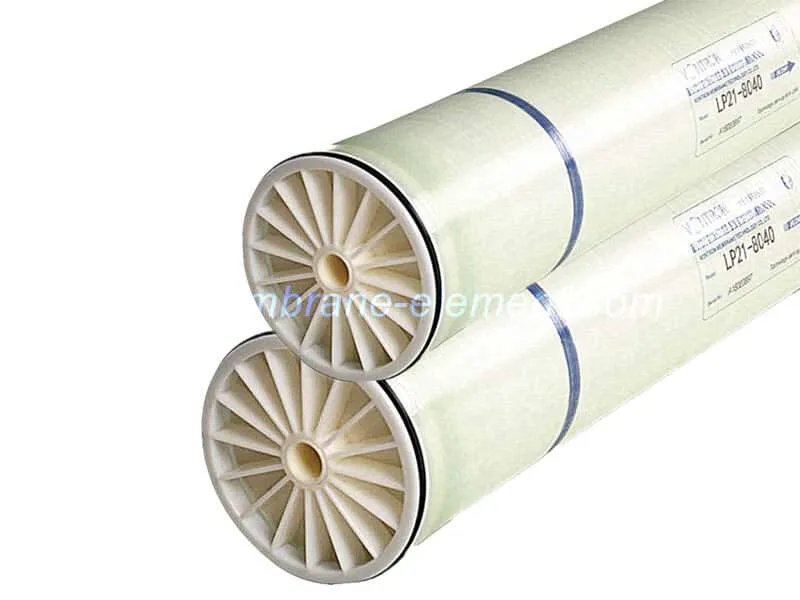
Polyamide membrane cleaning is one of the most important maintenance tasks in reverse osmosis (RO) water treatment. Thin-film composite polyamide (TFC) membrane elements deliver high salt rejection and stable flux, but they are vulnerable to fouling by suspended solids, inorganic scales, metal oxides, silica, organic matter and microorganisms. When fouling is not controlled, water production drops, salt passage rises and membrane elements can be damaged beyond recovery.
This guide covers effective methods and solutions for cleaning reverse osmosis membrane (polyamide membrane) elements: how to identify pollution types, when cleaning is required, which chemical and physical cleaning methods work best, and how to run a complete cleaning cycle safely.
Why Cleaning Reverse Osmosis Membranes Is Essential
RO membranes are the core of the reverse osmosis process, and their performance directly determines water quality and operating cost. During operation, pollutants accumulate on the membrane surface and inside the feed spacer: suspended solids and insoluble salts such as calcium carbonate, calcium sulfate and barium sulfate, metal oxide precipitates, silicon deposits, organic and inorganic deposition mixtures, natural or synthetic organic substances, and microorganisms such as algae, molds and fungi.
Pollution severity depends on feed water quality and system recovery rate. If contamination is not controlled in time, membrane elements are damaged quickly and may need premature replacement. Cleaning is recommended during contamination, before long-term shutdowns, and as part of routine maintenance.
Common Pollutants and How They Affect Polyamide Membranes
Different foulants require different cleaning strategies, so identifying the pollutant type is the first step of any polyamide membrane cleaning plan:
- Inorganic scaling: calcium carbonate, calcium sulfate and barium sulfate precipitates, typically removed with acid cleaners.
- Metal oxide fouling: iron, manganese and aluminum hydroxide deposits, cleaned with chelating agents and low-pH solutions.
- Silica deposits: silicon dioxide and silicate scales, among the most difficult foulants to remove.
- Organic fouling: natural organic matter, oil and grease, removed with alkaline cleaners.
- Biological fouling: algae, mold, fungi and biofilms, requiring alkaline cleaning combined with disinfection.
Before cleaning, analyze the pollution situation to determine the type of contamination and select the right chemicals. See our guide to common pollutants in reverse osmosis membranes and effective removal methods for a detailed breakdown of each foulant category.
Signs That Your RO Membrane Needs Cleaning
Monitor normalized operating data regularly. When the following problems occur in the reverse osmosis system, chemical cleaning or physical flushing is required:
- Water production after temperature correction is 10–15% lower than the normal value at the same feed pressure;
- Feed pressure has increased by 10–15% to maintain normal water production;
- Produced water quality drops and salt permeability increases by 10–15%;
- The pressure difference between the sections of the system increases significantly;
- Pressure drop across a single membrane element exceeds 0.7 bar (10 psi).
These thresholds apply even when operating data is not fully standardized, as long as key parameters are unchanged. Regular monitoring confirms whether the membrane element has been contaminated and when reverse osmosis membrane cleaning is truly needed.
Chemical Cleaning Methods for Polyamide Membranes
Chemical cleaning dissolves and disperses pollutants that physical flushing cannot remove. Two main categories are used for polyamide membrane cleaning:
- Acid cleaning (pH 2–4): citric acid or hydrochloric acid solutions remove calcium carbonate, calcium sulfate, barium sulfate and metal oxide scaling.
- Alkaline cleaning (pH 10–12): sodium hydroxide-based solutions remove organic fouling, silica and biological deposits.
- Surfactants and chelating agents: EDTA and compatible surfactants help break down metal-organic complexes and stubborn scaling.
Always follow the rules for using chemical cleaning agents for RO membranes: control temperature (typically 25–35 °C), respect the pH limits of polyamide elements, and never mix incompatible chemicals. Read our guide on rules for using chemical cleaning agents for RO membranes before starting.
Physical Cleaning and Flushing Techniques
Physical cleaning flushes loose contaminants from the membrane surface without chemicals and reduces cleaning frequency. Reverse osmosis product water can be used to flush pollutants away, and soaking membrane elements in product water helps dissolve and detach dirt.
Physical and chemical cleaning methods work together. When it is difficult to remove contaminants by flushing alone, stop the device and use chemical cleaning. For detailed parameters on cleaning flow rate, pressure and frequency, see our RO membrane cleaning guide on flow rate, pressure and frequency.
Step-by-Step Polyamide Membrane Cleaning Procedure
To ensure safe and effective cleaning of polyamide membrane elements, follow these structured steps:
Step 1: Stop the Device Safely
Shut down the RO system and isolate the membrane vessel. Confirm that the system is depressurized before opening cleaning connections. Note the current operating data for later comparison.
Step 2: Prepare the Cleaning Solution
Based on the pollution analysis, prepare the correct cleaning solution in a clean tank using RO product water. Check pH and temperature before circulation — keep the solution within the polyamide element’s recommended limits.
Step 3: Circulate at Low Pressure and High Flow
Circulate the cleaning solution at low pressure (below 3.0 bar, never exceeding 4.0 bar inlet pressure) and high flow — typically 1.2 times the normal concentrate flow rate. High flow creates shear force that detaches contaminants; low pressure prevents pollutants from being compacted into the membrane surface. The pressure difference across a single element must not exceed 0.7 bar.
Step 4: Soak, Rinse and Restore
Soak the membrane elements for 1–12 hours depending on fouling severity, then rinse thoroughly with RO product water until pH and conductivity return to feed-water levels. Restart the system and compare normalized performance with the data recorded before cleaning.
Special Safety Tips for Polyamide Membrane Cleaning
Composite polyamide reverse osmosis and nanofiltration membrane elements (diameters 4, 6, 8 and 8.5 inches) must never come into contact with free chlorine. Free chlorine oxidizes the polyamide layer and causes irreversible damage that cannot be repaired.
Check feed water for free chlorine after sterilization, cleaning and storage protection, and test whenever uncertain. Reduce free chlorine with sodium bisulfite (SBS): add 1.8–3.0 ppm SBS when free chlorine is 1.0 ppm. Avoid cationic and amphoteric surfactants, as they may reduce water production irreversibly. Consult the membrane manufacturer before cleaning, and see our RO membrane cleaning tips for more field-tested guidance.
Cleaning Frequency and Monitoring
The cleaning cycle of a contaminated membrane depends on the actual situation, but is usually performed once every 3–12 months. Flushing with RO product water reduces cleaning frequency, and regular monitoring confirms whether the membrane element has been contaminated.
Frequent, shorter cleaning sessions are generally more effective than infrequent deep cleaning. After each cleaning, verify that normalized flux and salt rejection return to baseline; if performance does not recover, the element may need replacement. See our general steps for cleaning RO membrane elements and the complete RO maintenance guide for extended procedures.
Conclusion
Effective polyamide membrane cleaning starts with identifying the pollutant, selecting the right chemical or physical method, and following a controlled cleaning cycle: low pressure, high flow, proper soaking and thorough rinsing. Protect polyamide elements from free chlorine with sodium bisulfite, avoid cationic and amphoteric surfactants, and clean every 3–12 months or whenever normalized performance drops by 10–15%. With a disciplined cleaning program, reverse osmosis membranes maintain stable water production, consistent water quality and a longer service life.
For professional reverse osmosis membrane cleaning solutions, replacement elements and technical support, contact us:
FAQ: Polyamide Membrane Cleaning
Q1: How often should polyamide RO membranes be cleaned?
Generally every 3–12 months, depending on feed water quality, recovery rate and monitoring data. Clean whenever normalized water production drops 10–15%, feed pressure rises 10–15%, or salt passage increases 10–15%.
Q2: Can I use chlorine-based chemicals for polyamide membrane cleaning?
No. Free chlorine oxidizes the polyamide layer irreversibly. If free chlorine is present in the feed water, reduce it with sodium bisulfite (SBS) — add 1.8–3.0 ppm SBS for every 1.0 ppm of free chlorine — before cleaning or storage.
Q3: What is the best cleaning solution for calcium carbonate scaling?
Acid cleaners such as citric acid solutions at pH 2–4 are effective against calcium carbonate, calcium sulfate and barium sulfate scaling. Use RO product water to prepare the solution and rinse thoroughly after cleaning.
Q4: Why is low pressure required during RO membrane cleaning?
High operating pressure compacts pollutants into the membrane surface, making fouling worse. Low pressure (below 3.0 bar) combined with high flow creates the shear force that detaches and flushes contaminants away without damaging the element.
Q5: What should I do if performance does not improve after cleaning?
Re-analyze the foulant type — mixed fouling may require a second, different cleaning step (for example, acid followed by alkaline). If normalized flux and salt rejection still do not recover, the membrane element may be irreversibly fouled and needs replacement.
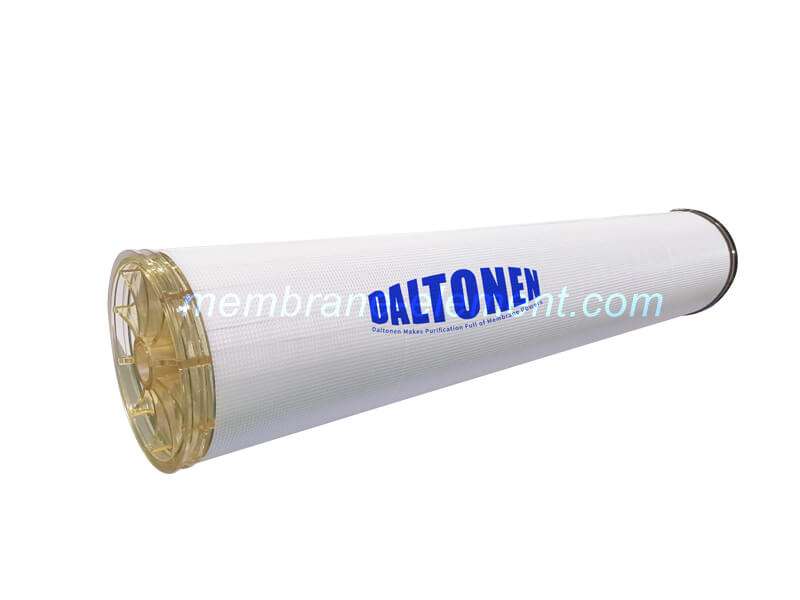
Xi’an CHIWATEC Water Treatment Technology provides RO membranes to clients both inland and overseas with more than 10 years of experience. We manufacture our own Daltonen RO membrane brand and are the official distributor of Dupont, Toray, CSM, Nitto, LG and Vontron RO membranes. Whatever product you need, we can meet your requirement.
Contact us for more information and the best price: [email protected], [email protected], [email protected]