RO membrane pollutant removal is essential to keep reverse osmosis systems operating at design capacity. RO membranes are widely used for water purification, but they are susceptible to pollutants such as calcium carbonate scale, calcium sulfate scale, metal oxide deposits, silica scale and organic deposits. When these contaminants accumulate, water production drops, salt passage rises and membrane elements can be damaged beyond recovery.
This guide explains the common pollutants in reverse osmosis membrane systems and the effective removal methods for each one — including cleaning solutions, operating limits and the general cleaning procedure that restores membrane performance.
Why RO Membrane Pollutants Must Be Removed Promptly
Every RO system encounters fouling during operation. Suspended solids, insoluble salts and microorganisms deposit on the membrane surface and inside the feed spacer, gradually blocking water flow. The severity of pollution depends on feed water quality and system recovery rate; delayed control damages membrane elements quickly.
Efficient removal methods are crucial to maintain the integrity and functionality of the RO membrane. Prompt RO membrane pollutant removal restores flux and salt rejection, reduces energy consumption and extends element service life — while neglected fouling can force premature replacement of the entire membrane train.
Common Pollutants in Reverse Osmosis Membrane Systems
RO membrane pollutants fall into five main categories, each requiring a different cleaning strategy:
- Calcium carbonate scale — caused by system failures or pH imbalances in the feed water.
- Calcium sulfate scale — a hard, sparingly soluble scale that is difficult to dissolve once formed.
- Metal oxide scale — ferric hydroxide and other deposited hydroxides from iron, manganese and aluminum in the feed.
- Silica scale — silicon dioxide and silicate deposits that are among the hardest foulants to remove.
- Organic deposits — microbial slime, algae, mold and fungi that form biofilms on the membrane surface.
For a deeper breakdown of how each pollutant forms, see our analysis of RO membrane pollutants and scaling types — causes, risks and cleaning solutions.
Calcium Carbonate Scale: Causes and Removal
Issue: calcium carbonate (CaCO₃) deposits when system failures or pH imbalances drive the feed water past its solubility limit, especially at high recovery rates. This is the most common target of RO membrane pollutant removal programs.
Removal method:
- Early detection is key — adjust the feed water pH to 3.0–5.0 for 1–2 hours to dissolve fresh scale.
- For longer settling times, use a specialized RO cleaning solution such as RT-818A for cyclic cleaning or overnight soaking.
- Maintain the cleaning solution pH between 2.0 and 11.0: use ammonia to raise pH and sulfuric acid or hydrochloric acid to lower it.
Calcium Sulfate Scale: Causes and Removal
Issue: calcium sulfate (CaSO₄) scale forms when feed water is supersaturated with sulfate ions, commonly in brackish water applications with high recovery ratios. Unlike carbonate scale, it is not pH-sensitive and cannot be dissolved simply by lowering pH.
Removal method:
- Use specialized cleaning agents designed for sulfate scale, circulating them at low pressure and high flow.
- Multiple cleaning cycles may be required because sulfate scale dissolves slowly; soak cycles of several hours improve results.
- Prevent re-formation by optimizing the antiscalant dose and reducing recovery ratio where sulfate concentration is high.
Always follow the rules for using chemical cleaning agents for RO membranes — temperature, pH and compatibility limits protect both the polyamide layer and the cleaning equipment. See our guide to chemical cleaning agent rules.
Metal Oxide Scale: Causes and Removal
Issue: metal oxide scale forms when iron, manganese or aluminum in the feed water precipitates as hydroxides — most commonly ferric hydroxide (Fe(OH)₃) — often after oxidation by oxygen or chlorine.
Removal method: employ the same method used for calcium carbonate scale to eliminate deposited hydroxides:
- Low-pH cleaning with citric acid or the RO system cleaning agent dissolves the metal hydroxide deposits.
- Adjust feed water pH to 3.0–5.0 during the cleaning cycle, with cyclic circulation or soaking for stubborn deposits.
- Address the source: improve pretreatment filtration and control iron levels in the feed water to prevent recurrence.
Silica Scale: Causes and Removal
Issue: silica (SiO₂) scale forms from dissolved silicon in the feed water and is among the most difficult RO membrane pollutants to remove. Colloidal silica can also deposit as a gel-like layer that resists standard cleaners.
Removal method:
- For silica scales not associated with metal deposits or organic matter, special cleaning methods are required — contact the membrane supplier for the detailed procedure.
- High-pH cleaning at elevated temperature is generally the first approach, but verify the polyamide membrane’s pH and temperature limits first.
- Prevention is the most reliable strategy: keep silica concentration below saturation limits and use silica-specific antiscalants.
Organic Deposits: Causes and Removal
Issue: organic deposits include microbial slime, algae, mold and fungi that colonize the membrane surface and feed spacer, forming biofilms that sharply reduce water production.
Removal method:
- Use cleaning agents formulated for organic deposits and microbial slime.
- Follow up with a sterilizing solution to prevent reproduction of the microorganisms.
- Consult the membrane supplier for suitable fungicides and disinfection protocols compatible with polyamide elements.
For the full procedure from diagnosis to final rinse, see our effective methods and solutions for cleaning reverse osmosis membranes.
Cleaning Solution and General Steps for RO Membrane Pollutant Removal
Recommended cleaning solution: use RO membrane system cleaning agents and conduct a chemical analysis of the pollutants before cleaning. Record cleaning methods and results for future reference — this documentation makes every subsequent RO membrane pollutant removal cycle faster and safer.
Guidelines: clean at a maximum temperature of 40 °C for 60 minutes, with proportions calculated per 100 gallons of solution. Circulate the cleaning solution on the high-pressure side using a dedicated cleaning device.
General steps for cleaning RO membrane elements:
Step 1: Initial Flush
Pump clean, chlorine-free product water into the pressure vessel and drain for a few minutes to remove loose contaminants.
Step 2: Prepare the Cleaning Solution
Prepare the cleaning liquid in a designated tank using clean product water, mixing the agent according to the manufacturer’s proportions.
Step 3: Circulate the Cleaning Fluid
Circulate the cleaning fluid in the pressure vessel for 1 hour or a preset time, adjusting flow rates based on pressure vessel size. Use low pressure (below 3.0 bar) with high flow for effective shear.
Step 4: Rinse the Tank and Refill
Drain and rinse the cleaning tank, then fill it with clean product water for the next flush.
Step 5: Final Flush
Pump clean, chlorine-free product water into the pressure vessel and drain for a few minutes.
Step 6: System Rinse and Restart
After flushing the RO system, run it with the product water discharge valve open until the water is clean and free of foam or cleaning agents — usually 15 to 30 minutes — then resume normal operation.
Conclusion
Effective RO membrane pollutant removal protects system performance and membrane investment. Identify the dominant pollutant — calcium carbonate, calcium sulfate, metal oxide, silica or organic deposits — then apply the correct cleaning agent at the right pH and temperature. Follow the six-step cleaning procedure: flush, prepare the solution, circulate at low pressure with high flow, rinse, flush again and restart. With prompt RO membrane pollutant removal and regular monitoring, RO membranes deliver stable water production, consistent water quality and a long service life.
For professional cleaning solutions, RO membranes and technical support, contact us:
FAQ: RO Membrane Pollutants and Removal
Q1: What is the most common pollutant in RO membranes?
Calcium carbonate scale is the most frequently encountered RO membrane pollutant, typically caused by pH imbalance or antiscalant failure. Metal oxide deposits and organic biofilms are also common in systems with inadequate pretreatment.
Q2: How do I remove calcium sulfate scale from RO membranes?
Use specialized cleaning agents designed for sulfate scale with extended soak cycles, since sulfate scale dissolves slowly and is not pH-sensitive. Optimize antiscalant dosing and recovery ratio to prevent re-formation.
Q3: What pH should I use for RO membrane cleaning?
Maintain the cleaning solution pH between 2.0 and 11.0. Acid cleaning at pH 3.0–5.0 removes carbonate and metal oxide scale, while alkaline cleaning removes organic fouling. Stay within the polyamide membrane’s limits.
Q4: How long does an RO membrane cleaning cycle take?
A standard cycle cleans at a maximum temperature of 40 °C for about 60 minutes, followed by soaking (if needed) and a final system rinse of 15–30 minutes until water is free of foam and cleaning agents. Total RO membrane pollutant removal time is typically 2–4 hours.
Q5: How often should RO membranes be cleaned?
Typically every 3–12 months, or whenever normalized water production drops by 10–15%, feed pressure rises 10–15%, or salt passage increases. More frequent short cleaning cycles are better than rare deep cleaning.
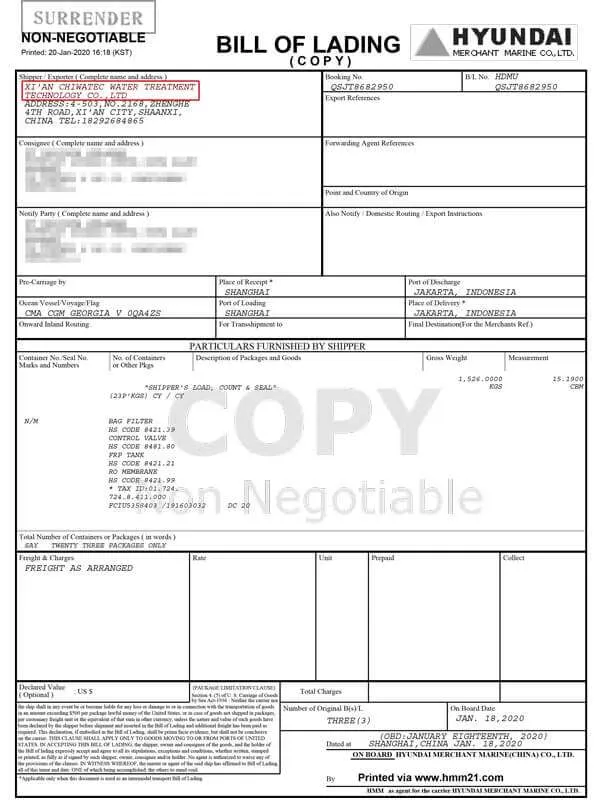
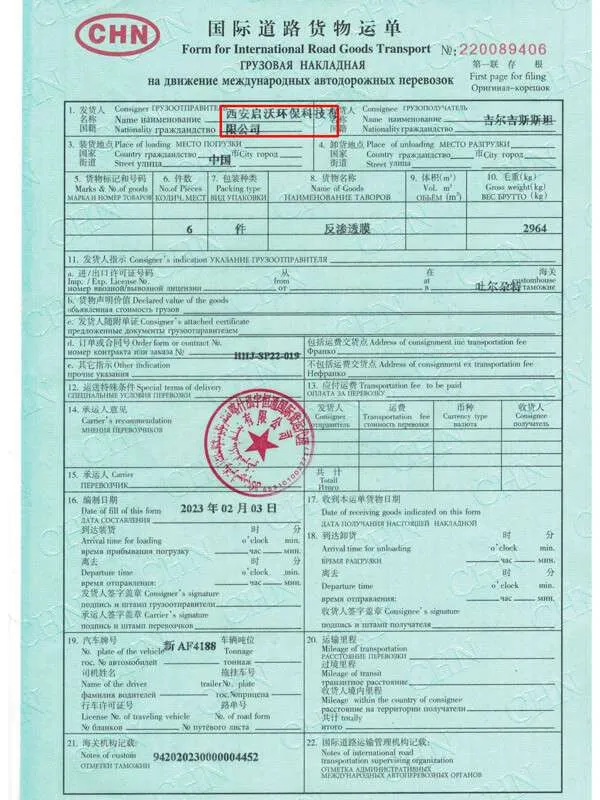
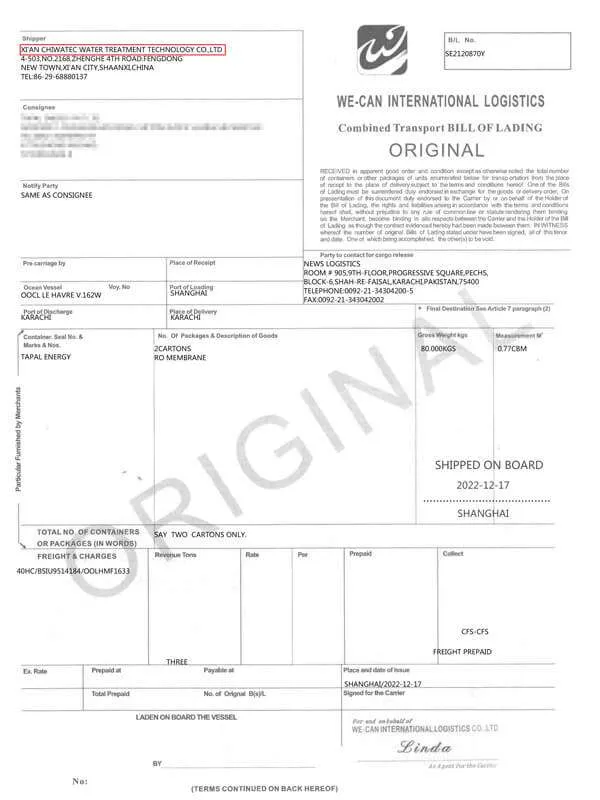
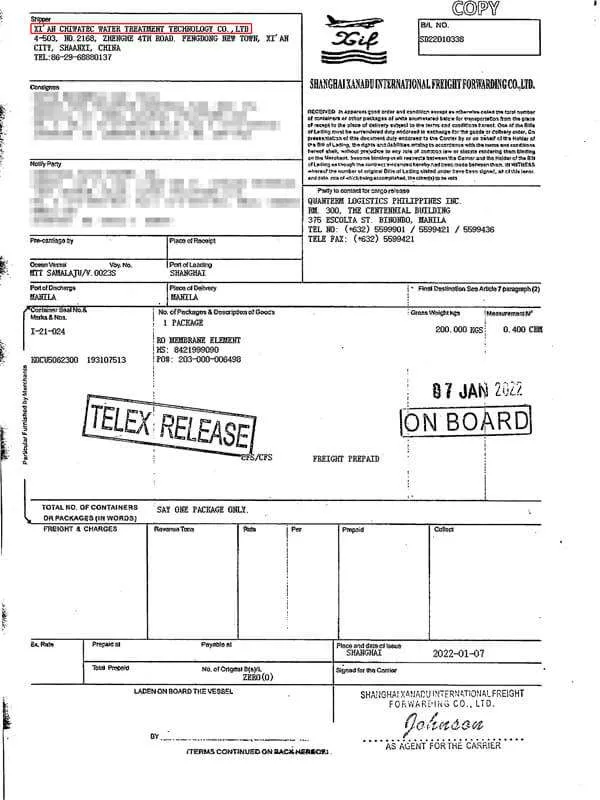
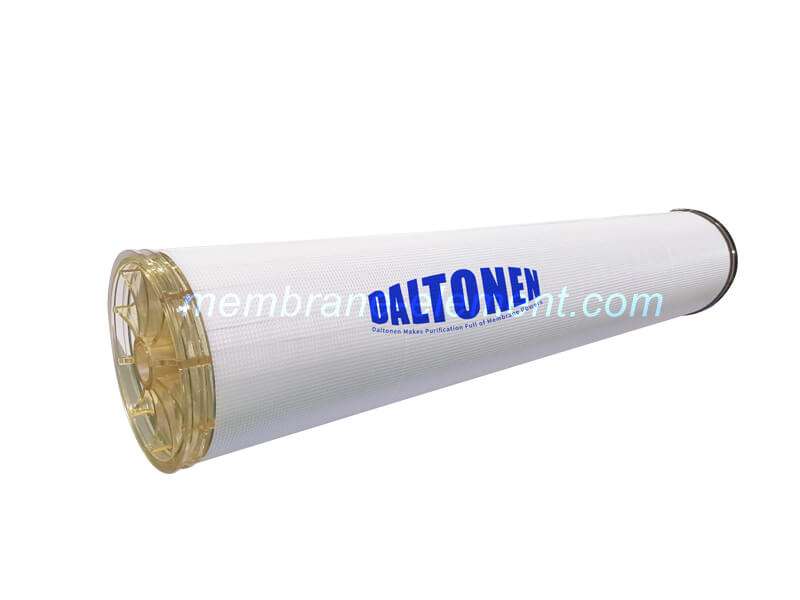
Xi’an CHIWATEC Water Treatment Technology provides RO membranes to clients both inland and overseas with more than 10 years of experience. We manufacture our own Daltonen RO membrane brand and are the official distributor of Dupont, Toray, CSM, Nitto, LG and Vontron RO membranes. Whatever product you need, we can meet your requirement.
Contact us for more information and the best price: [email protected], [email protected], [email protected]