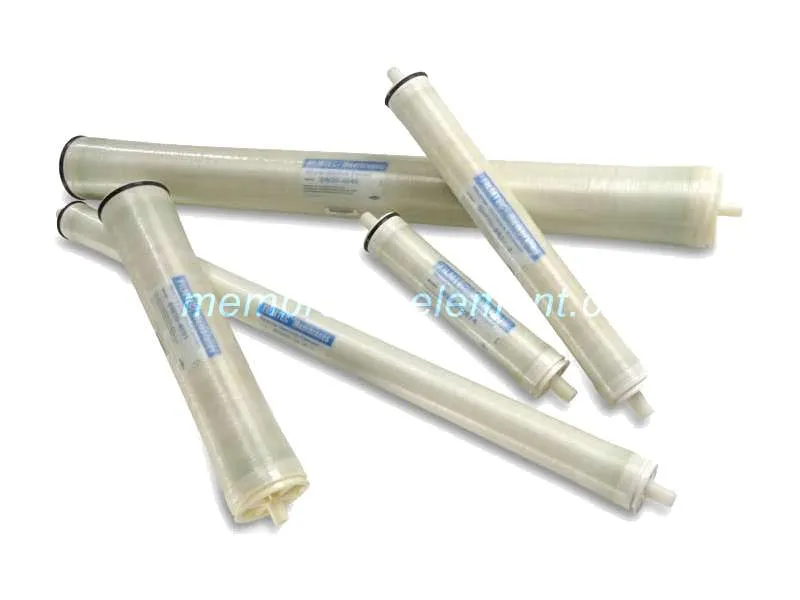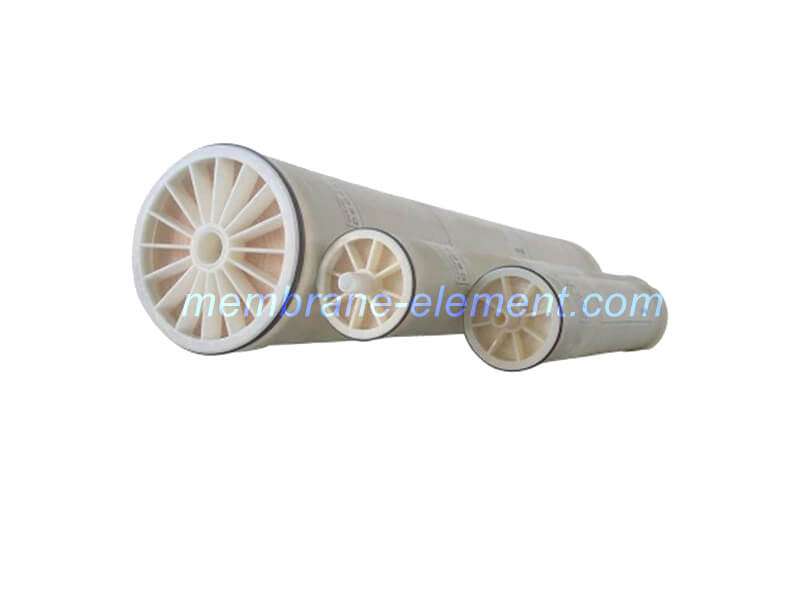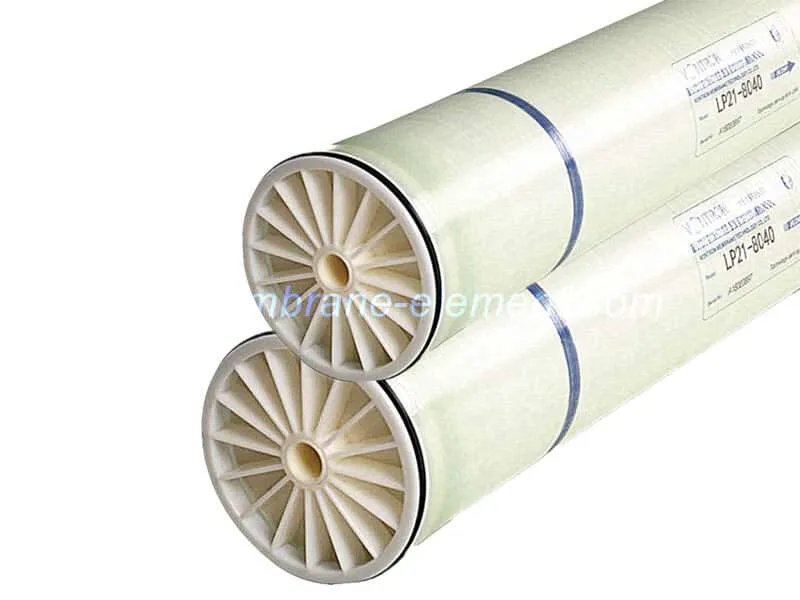

RO membrane operating pressure is the single number that defines a reverse osmosis system: it sets the pump size, the energy bill, the flux, and the element type you can use. Dow FILMTEC elements are rated from 125 psi for small tap-water elements to about 1000 psi for seawater. This guide covers RO membrane operating pressure limits by element type, flux and pump selection, cleaning frequency, and the RO-versus-NF comparison that completes the picture.
RO Membrane Operating Pressure: Maximum Limits by Element Type
The maximum RO membrane operating pressure for Dow FILMTEC components varies based on the specific model and application:
| Element Type | Maximum Operating Pressure |
| TW 1.8-inch | 125 psi (8.6 bar) |
| TW > 1.8-inch | 300 psi (21 bar) |
| BW30 / NF | 600 psi (41 bar) |
| SW (seawater) | ~1000 psi (69 bar) |
These specifications ensure that each component can handle the required operational pressures for different water treatment scenarios, from brackish water to seawater desalination. Exceeding them risks the membrane damage modes — compaction, back pressure, and bond failure — that end element life early.
Operating Pressure vs Flux: Finding the Design Point
The maximum allowable flux for FILMTEC components is determined by the quality of the influent water — refer to the specific flux regulations in the design guidelines to ensure optimal performance and longevity. Pressure and flux are linked by the RO membrane operating pressure at the design point:
- Higher pressure, higher flux — but flux is capped by feed water quality to avoid concentration polarization.
- ROSA design inputs — incorporating the pollution factor (FF) and temperature in the ROSA design software is crucial: high temperatures and high pollution factors lead to uneven flux distribution, the simulation identifies potential fouling in specific components, and the software determines the required operating pressure under various conditions.
- Energy trade-off — every bar of pressure costs energy; the design point balances flux, rejection, and electricity.
Constant Speed vs Variable Speed Pumps
Pump selection follows the stability of the feed conditions:
- Constant speed pumps — typically used in RO/NF systems where flow and pressure are stable; ideal for conditions with minimal inlet water salinity and temperature fluctuations (less than 5 °C).
- Variable speed pumps — used in systems with significant inlet water variability or high salinity, like seawater desalination. Advantages include energy efficiency, lower operating costs, and less impact on the power grid and system.
Variable speed pumps, despite their higher initial investment, offer significant savings and operational benefits for fluctuating conditions. They pair naturally with low energy RO membrane elements for the lowest operating cost.
Cleaning Frequency and SDI Monitoring
Cleaning frequency for an RO system depends on performance indicators and the quality of pretreatment:
- Standardized flux drop — clean when there is a 10–15% drop.
- Desalination rate drop — clean if the rate decreases by 10–15%.
- Pressure increase — clean if there is a 10–15% increase in operating pressure or pressure differential between sections.
General guidelines based on SDI (silt density index):
- SDI15 < 3 — clean approximately 4 times per year.
- SDI15 ≈ 5 — cleaning frequency may double.
The actual schedule should be tailored to each project site. The SDI test follows ASTM D4189-82 and must be ≤5 for membrane system water inlets; effective pretreatment to reduce SDI includes multi-media filtration, ultrafiltration, and microfiltration, enhanced by adding polyelectrolytes before filtration. Follow the RO membrane cleaning steps when the triggers appear.
Membrane Lifespan, RO vs NF, and the Technology Spectrum
The lifespan of a membrane element depends on chemical stability, physical durability, cleanability, inlet water quality, pretreatment effectiveness, cleaning frequency, and operational management. Economically, membrane elements typically last more than 5 years under optimal conditions.
RO vs nanofiltration:
| Technology | Removes | Salt Removal | Operating Pressure |
| RO | Smallest solutes (MW < 0.0001 µm), salts, organics (MW > 100) | 95–99% | 7–69 bar |
| NF | Particles ~1 nm, organics (MW > 200–400), hardness | 20–98% | Lower than RO |
| UF | Macromolecules (100–1,000 Å), MWCO 1,000–100,000 | — | Low |
| MF | Suspended particles, bacteria (0.1–10 µm) | — | Very low |
NF operates at lower pressure and is often called a softening membrane; RO is required for high-purity applications. For the RO-versus-ion-exchange choice, higher salt content favors RO while lower salt content can make ion exchange more cost-effective — combining technologies (RO + IX) often yields the best technical and economic outcome.
Compliance, Chemical Compatibility, and Special Topics
The closing questions cover standards and chemistry:
- Standards compliance — FILMTEC products meet FDA 21 CFR 177.2550 (food safety), NSF/ANSI Standard 58 (point-of-use pollutant reduction), NSF/ANSI Standard 61 (drinking water components), and KIWA-ATA (Dutch drinking water standard); most household components carry NSF 58 parts and performance certifications.
- Chemical compatibility — Dow does not approve or judge the chemical compatibility of substances used with FILMTEC elements; the responsibility lies with the chemical suppliers, who must ensure their chemicals are safe and compatible with the membranes.
- Chloramine resistance — FILMTEC membranes can withstand chloramine exposure, with laboratory tests showing endurance up to 300,000 ppm-hrs. Since chloramines can still leave residual chlorine, dechlorination (activated carbon or reducing agents) is advisable to convert residual chlorine to harmless chloride ions.
- Fungicide selection — effective fungicides must be compatible with the membrane, act quickly, be cost-effective, stable, non-toxic, and must not penetrate the membrane; DBNPA (2,2-bisbromo-3-nitrilopropionamide) meets these criteria.
- Organic solvents — hydrophobic solvents are not compatible with FILMTEC elements; hydrophilic solvents like ethanol are acceptable but can cause the membrane to swell, altering desalination and production characteristics, and high concentrations can degrade the bonding seals over time.
Conclusion
RO membrane operating pressure defines the whole system — the pump, the energy cost, the element type, and the flux limit. Match the pressure rating to the application (125 psi TW to 1000 psi seawater), size the pump to the feed variability, clean on the 10–15% triggers, and respect the SDI and compliance limits, and the membrane train delivers its rated life reliably.
CHIWATEC supplies Daltonen, Dupont, Toray, CSM, Nitto, LG, and Vontron RO membranes with more than ten years of export experience. Contact us at [email protected], [email protected], or [email protected] for pressure-rated membrane selection and system design support.
FAQ:
What is the maximum operating pressure for RO membrane elements?
The maximum RO membrane operating pressure depends on element type: TW 1.8-inch elements up to 125 psi (8.6 bar), TW above 1.8-inch up to 300 psi (21 bar), BW30/NF up to 600 psi (41 bar), and seawater elements about 1000 psi (69 bar).
How often should an RO system be cleaned?
Clean when standardized flux drops 10–15%, desalination rate decreases 10–15%, or operating pressure rises 10–15%. As a guide, systems with SDI15 below 3 need about 4 cleanings per year; with SDI15 near 5, the frequency may double.
What is the difference between RO and nanofiltration?
RO removes the smallest solutes (molecular weight below 0.0001 µm) at 95–99% salt removal and high pressure (up to 69 bar for seawater). NF removes particles around 1 nm and organics above 200–400 molecular weight at 20–98% salt removal, operating at lower pressure — often called a softening membrane.
How long do RO membrane elements last?
Under optimal conditions, membrane elements typically last more than 5 years. Lifespan depends on chemical stability, physical durability, cleanability, inlet water quality, pretreatment effectiveness, cleaning frequency, and operational management.
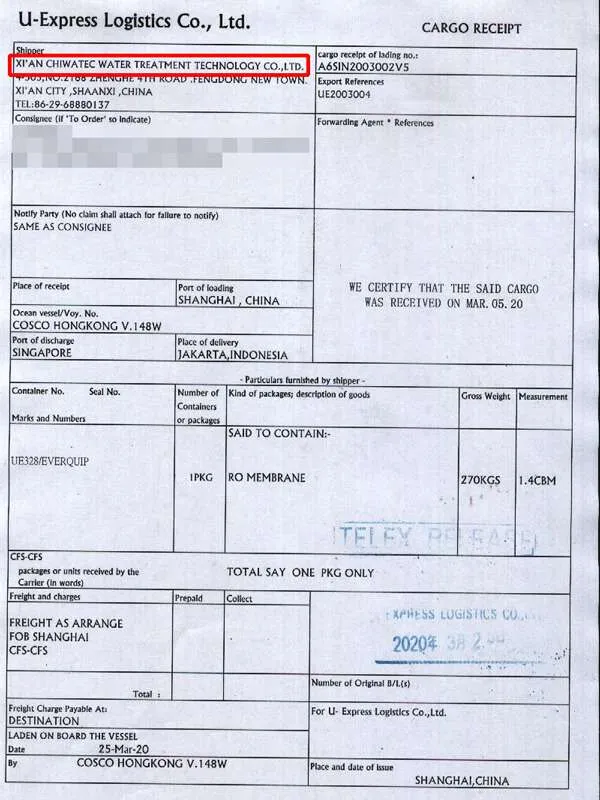
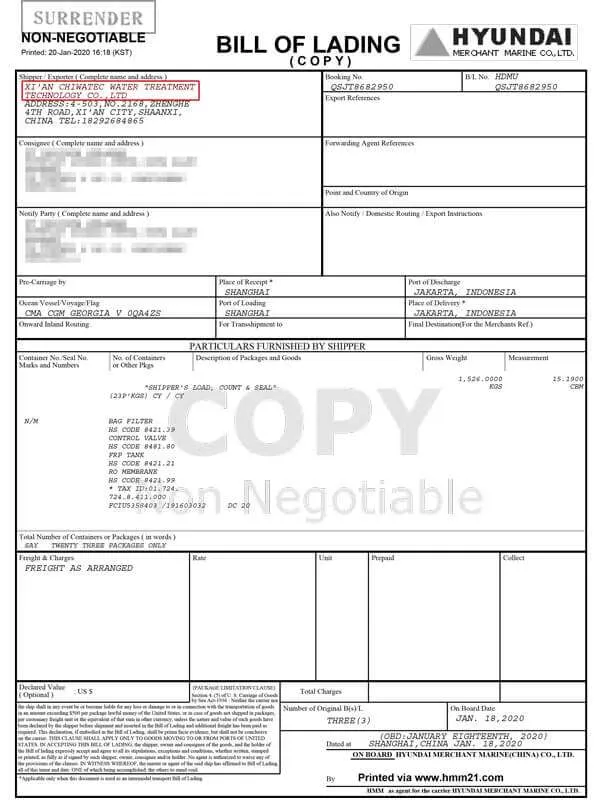
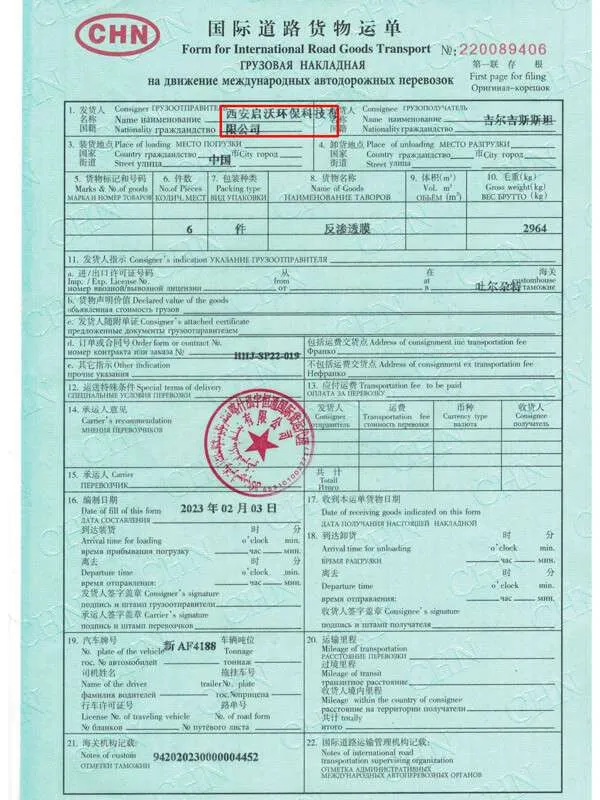
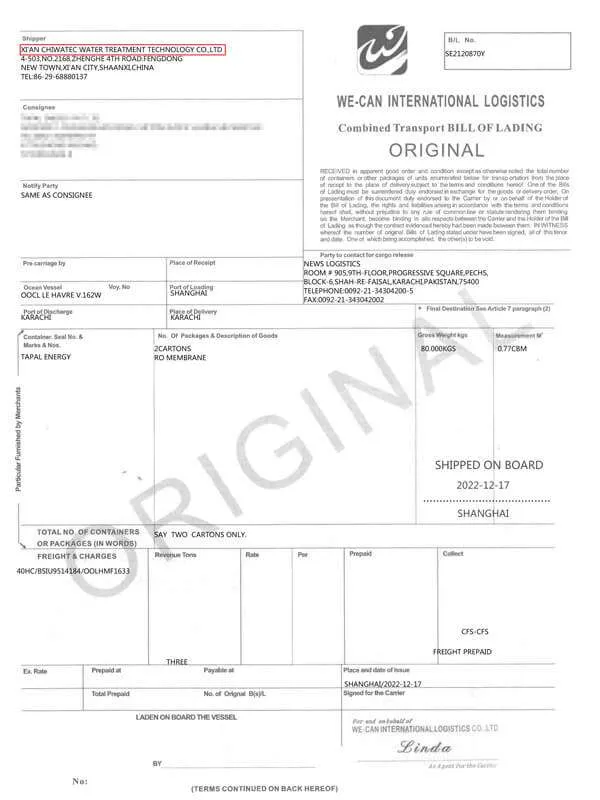
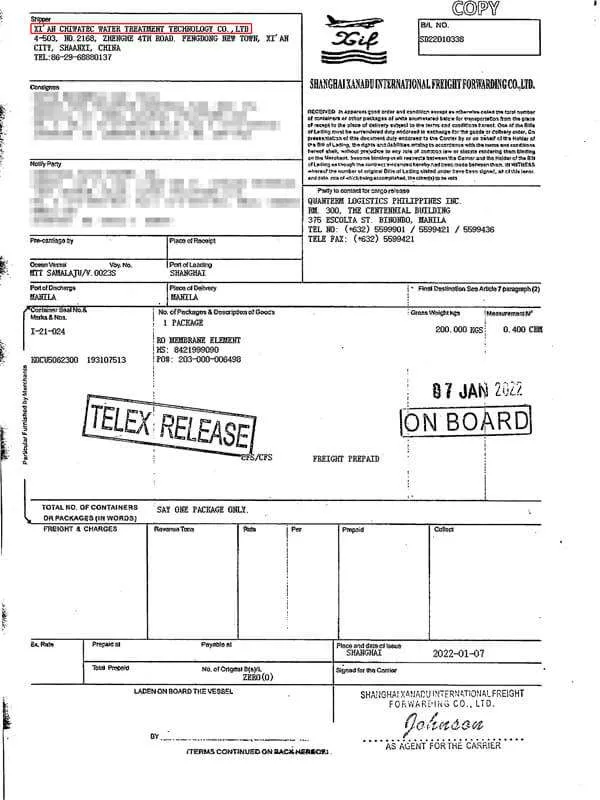
Xi’an CHIWATEC Water Treatment Technology provide the RO membrane to clients both inland and oversea with more than 10years experience. We manufacture our own brand Daltonen RO membrane and we are also the official distributor of Dupont, Toray, CSM, Nitto, LG and Vontron RO membrane. Whatever product you need, we cold meet your requirement.
Contact me for more info and best price.