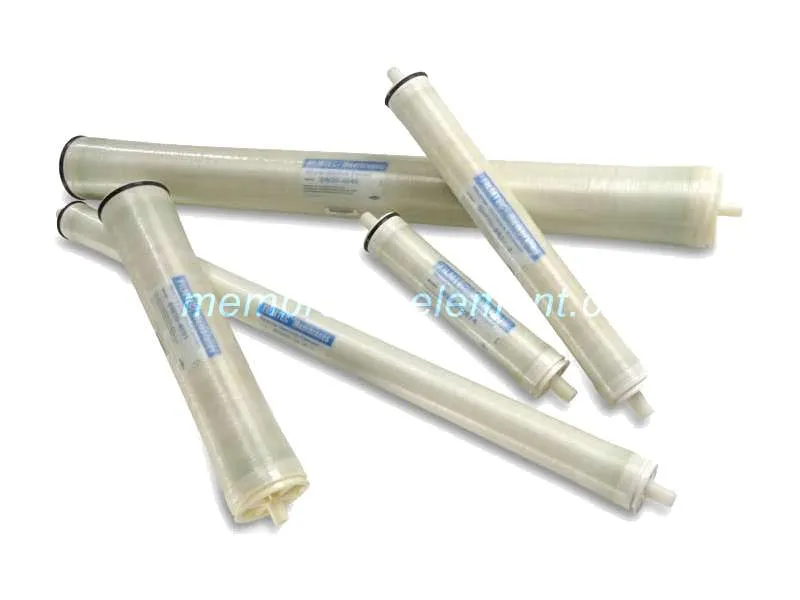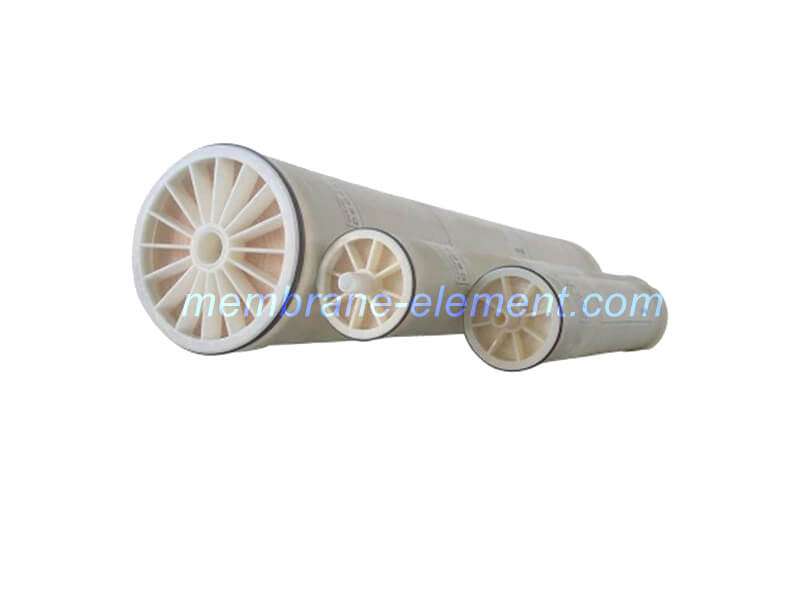
RO membrane cleaning triggers are the measurable signs that tell operators when a reverse osmosis element needs cleaning — and cleaning on the right trigger is what separates a membrane that lasts years from one that fails early. Over time, RO elements accumulate pollution from suspended solids and insoluble salts in the feed water: calcium carbonate, calcium sulfate, barium sulfate, strontium sulfate, metal oxides such as iron, manganese, copper, and nickel, silicon deposits, natural and synthetic organics, and microorganisms including algae and fungi. Pollution develops gradually, and the cleaning cycle typically ranges from 3 to 12 months. This guide explains the RO membrane cleaning triggers — the 10–15% performance signals, the physical and chemical cleaning methods, and the polyamide-specific rules — that keep elements healthy. For the step-by-step procedure, see our RO membrane cleaning steps guide.
1. Common Pollutants That Trigger RO Membrane Cleaning
Reverse osmosis membrane pollution comes from a predictable set of feed water constituents, and identifying the pollutant is the first RO membrane cleaning trigger decision. Scale-forming salts — calcium carbonate, calcium sulfate, barium sulfate, and strontium sulfate — precipitate when their solubility limit is exceeded on the concentrate side. Metal oxides of iron, manganese, copper, and nickel deposit as particulates or catalyze organic fouling. Silicon deposits form silica scale that is notoriously difficult to remove. Natural and synthetic organic substances adsorb onto the membrane surface, and microorganisms including algae and fungi build biofilms that block the membrane surface. The nature and rate of pollution depend on water quality and system recovery rate, so the pollutant inventory of a specific plant is predictable from its feed water analysis — and that analysis tells the operator which cleaning chemistry will be needed before the first trigger fires.
2. The 10–15% Performance Triggers
Three standardized RO membrane cleaning triggers are used across the industry, all based on normalized performance data rather than calendar dates. First, a 10–15% drop in water production after temperature correction means the membrane is losing permeability. Second, an increase in feed water pressure of 10–15% to maintain normal production levels indicates that the fouling layer is adding hydraulic resistance. Third, a 10–15% reduction in the quality of produced water, accompanied by increased salt permeability, signals that the membrane skin layer is being compromised or the concentration layer has thickened. Any one of these RO membrane cleaning triggers warrants chemical cleaning or physical flushing. If key operating parameters remain stable, regular monitoring is essential to confirm membrane performance and catch the next RO membrane cleaning trigger early.
| Trigger | Signal | Meaning |
| Production drop | Permeate flow −10–15% (temp-corrected) | Flux loss from fouling layer |
| Pressure rise | Feed pressure +10–15% | Hydraulic resistance building |
| Quality decline | Salt passage +10–15% | Skin layer compromise / concentration polarization |
These three RO membrane cleaning triggers are the industry-standard gate for scheduling maintenance.
3. Cleaning Cycle and the 3–12 Month Window
The RO membrane cleaning cycle typically ranges from 3 to 12 months, and the actual interval inside that window is set by how fast the triggers fire. A plant with clean, well-pretreated feed water may run a full year between cleanings; a plant on variable surface water may need cleaning every three months. If cleaning is required more frequently than the established interval, the cause is upstream — deteriorating feed quality, failing pretreatment, or a recovery rate pushed too high — and the system should be investigated rather than simply cleaned more often. Cleaning is recommended when signs of contamination appear, particularly during routine maintenance or before long-term shutdowns. When membranes are only slightly contaminated, timely cleaning can restore performance; severe pollution can hinder effective cleaning and may be irreversible.
4. Physical Cleaning Methods
Two primary cleaning methods exist for reverse osmosis membranes: physical cleaning and chemical cleaning. Physical cleaning utilizes mechanical scouring to remove contaminants without altering their nature. For particulate pollutants with low adhesion properties — loose silt, colloids, and recently deposited particles — physical flushing may suffice on its own. Flushing with RO product water is the standard physical method: the clean, low-TDS water sweeps the membrane surface and removes loosely attached material. Physical cleaning is fast, chemical-free, and safe to run frequently, which is why it is the first response when an RO membrane cleaning trigger appears. However, physical methods cannot dissolve scale, oxidize biofilms, or break chemical bonds — those require the second method.
5. Chemical Cleaning Methods
Chemical cleaning employs specific agents to modify pollutants, enabling their removal and restoring membrane performance. Identifying the type and composition of pollution before cleaning is critical for selecting appropriate cleaning agents: acid cleaners dissolve calcium carbonate and metal oxide scale, alkaline cleaners emulsify and disperse organic and biological fouling, and chelating agents bind metal ions that hold scale together. The two methods can be combined for enhanced results — for mild pollution, adding chemicals during physical cleaning improves effectiveness, while physical methods can augment the impact of chemical cleaning for severe contamination. For complex pollution scenarios, alternating low pH and high pH cleaning solutions is often necessary, because each pH range attacks a different class of foulant. The specific agent selection logic is covered in our RO membrane cleaning agent selection guide.
6. Product Water Flushing and Soaking
To minimize contamination, RO product water can be used for flushing the system — it is the cleanest water available on site, with negligible fouling potential. Soaking membrane elements in product water can help dissolve accumulated pollutants, thereby reducing the need for chemical cleaning. A soak-and-flush cycle works because the low-ionic-strength product water slowly dissolves salt bridges and softens the fouling layer, so a subsequent flush removes material that would otherwise require chemical dosing. This approach is especially valuable as a preventive step before long-term shutdowns and as a first attempt when a cleaning trigger fires but the fouling is believed to be mild. If a product-water soak does not restore performance, the membrane genuinely needs chemical cleaning.
7. Polyamide-Specific Rules: Chlorine, SBS, and Surfactants
The cleaning guidance applies to composite polyamide RO and nanofiltration membrane elements with diameters of 4, 6, 8, and 8.5 inches, and these membranes have hard rules that every operator must follow. Polyamide membranes must not come into contact with free chlorine, as it can cause permanent damage — check the feed water for free chlorine after sterilization or cleaning. If chlorine is detected, sodium bisulfite (SBS) can be used to neutralize it, adhering to the required reaction times for effectiveness; for example, to neutralize 1.0 ppm of free chlorine, use 1.8–3.0 ppm of SBS. Avoid using cationic and amphoteric surfactants in cleaning solutions, as these can lead to irreversible declines in membrane water production. During the warranty period for RO membrane elements, it is advisable to consult the manufacturer — for Hydranautics elements, consult Hydranautics — before any cleaning procedures. For the wider pollutant and scaling landscape, see our reverse osmosis membrane pollutants guide.
8. Building a Trigger-Based Cleaning Program
A complete cleaning program combines the RO membrane cleaning triggers with a monitoring routine. Log normalized permeate flow, feed pressure, and salt passage daily, at a reference temperature, and compare each reading against the baseline. When any of the three 10–15% triggers fires, respond in order: flush with product water, soak if the fouling is mild, then apply chemical cleaning matched to the pollutant inventory. After cleaning, verify recovery: flux and rejection should return to within 90% of baseline, and the cleaning interval should be recorded. If a trigger fires again much sooner than the established 3–12 month cycle, investigate the upstream cause instead of accepting the shorter interval. For the pressure and flow parameters that make cleaning effective, see our RO cleaning pressure and frequency guide.
Conclusion
RO membrane cleaning triggers are the operator’s early-warning system: a 10–15% drop in production, a 10–15% rise in feed pressure, or a 10–15% decline in water quality each mean the membrane needs attention. Cleaning on these RO membrane cleaning triggers, within the 3–12 month cycle, restores performance and protects the element; ignoring them lets reversible fouling become permanent damage. The cleaning response itself is layered — flush with product water, soak, then apply acid or alkaline chemistry matched to the pollutant — and it must respect the polyamide rules: no free chlorine, SBS neutralization when chlorine appears, and no cationic or amphoteric surfactants. Build the trigger-based program into your daily monitoring and your RO elements will deliver their rated performance for years — because every RO membrane cleaning trigger caught early is an element saved from premature replacement. For help selecting cleaning agents or RO membranes, contact us at [email protected] or [email protected].
FAQ:
What are the signs that an RO membrane needs cleaning?
Three standardized RO membrane cleaning triggers indicate cleaning is needed: a 10–15% drop in water production after temperature correction, a 10–15% increase in feed pressure to maintain normal production, or a 10–15% reduction in produced water quality with increased salt permeability. Cleaning on these data-driven triggers, typically within a 3–12 month cycle, restores performance before fouling becomes irreversible.
How often should RO membranes be cleaned?
The RO membrane cleaning cycle typically ranges from 3 to 12 months. The exact interval is set by how fast the performance triggers fire: clean feed water and good pretreatment allow a full year, while variable surface water may require cleaning every three months. If cleaning is needed more often than the established interval, investigate upstream causes rather than simply cleaning more frequently.
Can chlorine be used to clean RO membranes?
No. Composite polyamide RO membranes must never contact free chlorine, which causes permanent damage to the skin layer. After sterilization or cleaning, check the feed water for free chlorine. If chlorine is detected, neutralize it with sodium bisulfite (SBS): to neutralize 1.0 ppm of free chlorine, use 1.8–3.0 ppm of SBS, respecting the required reaction time.
What is the difference between physical and chemical cleaning?
Physical cleaning uses mechanical scouring and flushing — typically with RO product water — to remove loosely attached particulates without altering their nature. Chemical cleaning uses acids, alkalis, and chelating agents to dissolve or disperse pollutants that physical methods cannot remove. The two are often combined: chemicals during physical cleaning for mild fouling, physical methods augmenting chemical cleaning for severe contamination.
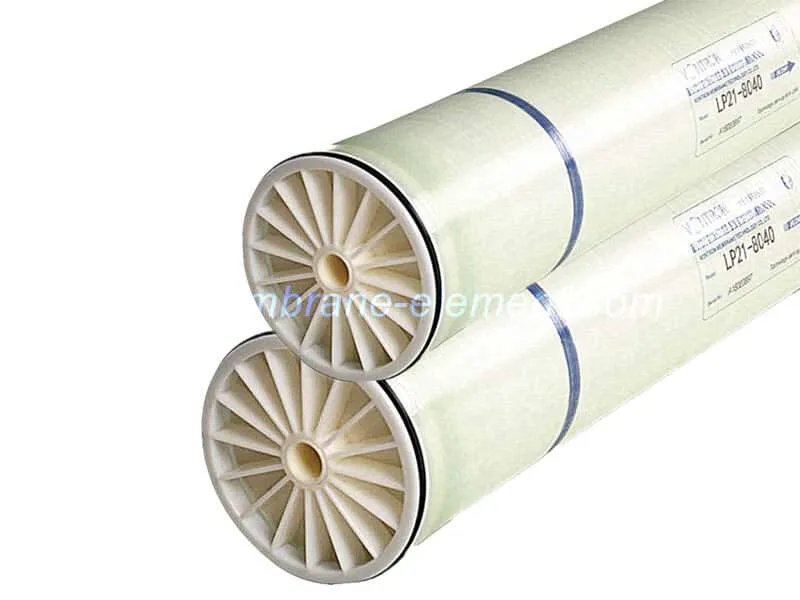
Xi’an CHIWATEC Water Treatment Technology provide the RO membrane to clients both inland and oversea with more than 10years experience. We manufacture our own brand Daltonen RO membrane and we are also the official distributor of Dupont, Toray, CSM, Nitto, LG and Vontron RO membrane. Whatever product you need, we cold meet your requirement.
Contact me for more info and best price.