Difference between RO membrane and ultrafiltration membrane determines which membrane technology fits a water treatment project. RO membranes separate at roughly 0.0001 microns (0.1 nm) and remove dissolved salts. UF membranes filter at 0.01-0.1 microns and let those salts pass. RO targets desalination and high-purity water. UF targets particles, bacteria, and viruses at low pressure.
This guide compares the two technologies across pore size, operating pressure, rejection capability, materials, applications, maintenance, and lifecycle cost. The global RO membrane market reached USD 6.8 billion in 2024. It is projected to reach USD 12.4 billion by 2034, a CAGR of 6.2%. The ultrafiltration membrane market reached USD 5.6 billion in 2025. It is projected to reach USD 10.2 billion by 2035, a CAGR of 6.1% (Grand View Research).
Xi’an CHIWATEC supplies both RO membrane elements and UF membrane systems. It offers customized solutions for industrial and commercial water treatment projects worldwide.
*Last Updated: September 2026 | Industry-Verified Technical Data
Difference Between RO Membrane and Ultrafiltration Membrane: An Overview
The core difference between RO membrane and ultrafiltration membrane starts with pore size. RO membranes use pores near 0.0001 microns (0.1 nm). Therefore they reject dissolved salts, heavy metals, and monovalent ions. UF membranes sieve at 0.01-0.1 microns. They block suspended solids, bacteria, and viruses while dissolved salts pass through. In short, RO handles desalination and high-purity water, while UF handles pretreatment and particle removal.
| Parameter | RO Membrane | UF Membrane |
| Pore size | 0.0001 µm (0.1 nm) | 0.01–0.1 µm |
| Operating pressure | 10–70 bar (150–1,000 psi) | 1–3 bar (15–45 psi) |
| Salt rejection | >99% | None (salts pass) |
| Bacteria removal | >99.99% | >99.99% |
| Virus removal | >99.9% | >99.9% |
| Flow rate | Lower (dense barrier) | Higher (open pores) |
Together, these indicators cover the membrane separation principle behind both technologies. Many plants therefore run them in series: UF first, RO second. UF drops the SDI below 3 in that position, which protects the RO stage from colloidal fouling. For the full separation spectrum, see our membrane separation principle guide.
Pore Size Difference Between RO Membrane and Ultrafiltration Membrane
RO membranes rely on a dense, non-porous active layer. Water crosses it by diffusion through the polymer matrix. UF membranes contain physical pores that act as a sieve. They block anything larger than the pore diameter. RO rejects dissolved ions such as Na+, Cl−, Ca2+, and Mg2+, which measure 0.1-1 nm. UF lets these ions pass freely. Consequently, this pore size difference between RO membrane and ultrafiltration membrane decides output quality. RO delivers near-distilled water; UF keeps mineral content.
Pathogen dimensions explain the microbial barrier. Viruses span roughly 20 nm to several micrometres, and bacteria are larger still. A 0.01–0.1 µm UF sieve therefore holds both back at the membrane surface. Ions of 0.1–1 nm slip through to the permeate.
- RO membrane: non-porous active layer, diffusion-based transport, rejects 99%+ of dissolved salts
- UF membrane: physical pores of 0.01–0.1 µm, sieve-based separation, passes all dissolved salts
- MWCO: RO sits below 100 Da; UF spans 1,000–500,000 Da
For the sieving mechanics in detail, read our ultrafiltration membrane filtration guide.
Operating Pressure: RO Membrane vs Ultrafiltration Membrane Driving Forces
Another critical difference between RO membrane and ultrafiltration membrane is the driving pressure. RO needs 10–70 bar (150–1,000 psi) to overcome osmotic pressure. UF runs at only 1–3 bar (15–45 psi) because its porous walls add minimal resistance. Feed salinity sets the exact figure. Brackish RO works near 10–30 bar; seawater RO needs 55–70 bar.
Osmotic pressure grows with feed TDS, so the duty climbs along the salinity curve. Seawater systems therefore run close to the 70 bar ceiling of standard spiral elements. Recovery follows the same logic: brackish RO reaches 75–90%, while seawater RO stays near 40–50%.
- RO energy: high-pressure pumps consume 3–8 kWh/m³; modern seawater plants reach 2.5–4.0 kWh/m³ with energy recovery
- UF energy: standard low-pressure pumps draw just 0.2–0.5 kWh/m³
- Result: energy efficiency favors UF whenever minerals can stay in the water
Element-level pressure limits appear in our RO membrane operating pressure guide.
Rejection Rate Difference: What RO Membrane and UF Membrane Each Remove
The rejection capability difference between RO membrane and ultrafiltration membrane decides which contaminants each technology can address. In short, RO strips dissolved solids; UF polishes water without stripping minerals.
| Contaminant | RO Membrane | UF Membrane |
| Dissolved salts (TDS) | 95–99% rejection | 0% (passes through) |
| Hardness (Ca2+, Mg2+) | 94–98% rejection | 0% (passes through) |
| Heavy metals | 95–99% rejection | Partial (particulate form) |
| Suspended solids | Removed by pretreatment | >99% above pore size |
| Bacteria | >99.99% | >99.99% |
| Viruses | >99.9% | >99.9% |
| Colloidal silica | >99% | Partial |
| Dissolved organics | 90–98% | Varies by MWCO |
Both membranes deliver 4-log bacterial removal. UF reaches that figure by size exclusion at the fiber surface. RO reaches it across the dense polyamide barrier, then adds salt removal on top. Neither barrier removes dissolved gases such as CO2 and oxygen.
Membrane Material and Structure: Comparing RO Membrane and Ultrafiltration Membrane Construction
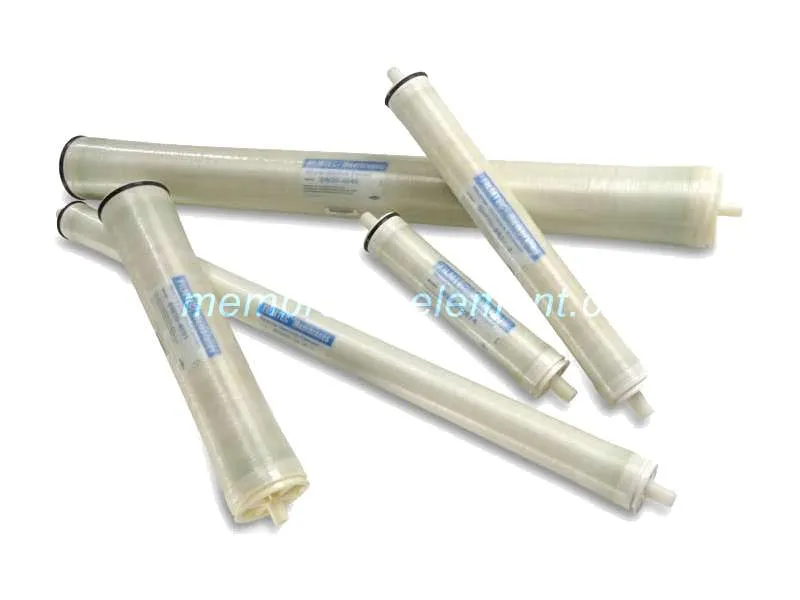
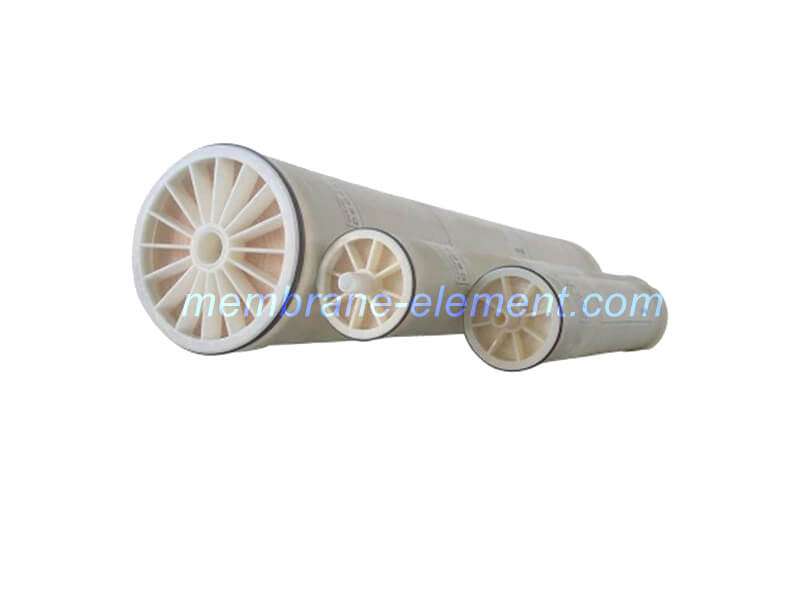
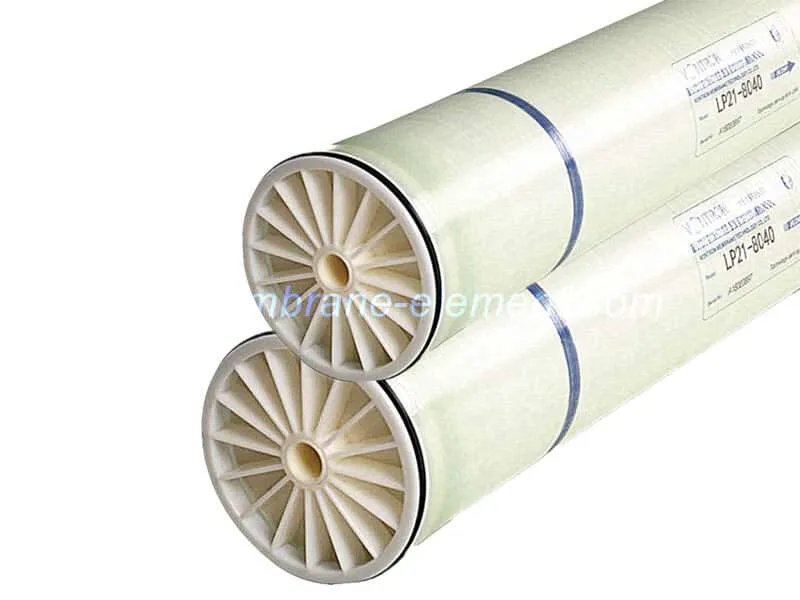
Construction follows the separation mechanism. RO membranes are thin-film composite (TFC) structures. A polyamide active layer of about 0.2 µm sits on a polysulfone support of about 40 µm. A polyester fabric backing of about 120 µm completes the laminate, which is wound into spiral elements. UF membranes are homogeneous porous structures. Manufacturers cast them from polyethersulfone (PES), PVDF, or polysulfone (PS) as hollow fibers or flat sheets.
Chemistry dictates the cleaning envelope. PVDF hollow fibers tolerate roughly 5,000 ppm-hr of chlorine, against about 500 ppm-hr for PES. That margin is why PVDF dominates municipal UF duty, where chlorinated backwash keeps biofouling down. RO polyamide, by contrast, fails above 0.1 ppm of free chlorine and needs dechlorinated feed.
- RO membrane structure: TFC flat sheet into spiral-wound element; sensitive to chlorine and oxidation
- UF membrane structure: porous hollow fiber or flat sheet; chlorine-resistant options available
- Chemistry: RO uses polyamide (delicate); UF uses PES/PVDF (chemically robust)
Element-level detail lives in our types of RO membrane elements and hollow fiber ultrafiltration membrane guides.
Application Fields: Where RO Membrane and Ultrafiltration Membrane Excel
Application strengths follow separation capability. RO appears wherever high-purity water is mandatory, from seawater desalination to pharmaceutical rinsing. UF serves wherever particles should go but minerals should stay.
- RO membrane applications: seawater desalination, ultrapure water, pharmaceutical water (WFI), boiler feed water, dairy concentration
- UF membrane applications: RO pretreatment, drinking water filtration, MBR, wastewater reclamation, juice clarification, protein concentration
Electronics rinsing demands ultrapure water below 0.055 µS/cm, so two-pass RO feeds the polishing loop. Beverage plants clarify juice with UF and standardize sugar content with RO. Dairies concentrate proteins with UF while RO reclaims whey permeate.
For seawater duty specifics, see our seawater desalination guide. For sector-by-sector UF selection, see ultrafiltration membrane industry applications.
Maintenance and Cleaning: RO Membrane vs Ultrafiltration Membrane
Maintenance demands also diverge sharply. RO membranes are fouling-sensitive. They need careful pretreatment, antiscalant dosing, and periodic CIP with acid and alkaline solutions. UF membranes tolerate higher-turbidity feeds. They clean by backwash, air scour, and chemical cleaning with chlorine or caustic.
- RO maintenance: CIP every 3–6 months; free chlorine below 0.1 ppm; feed SDI below 5
- UF maintenance: automated backwash every 30–60 minutes; chlorine-tolerant; accepts feed turbidity near 50 NTU
- Lifespan: RO lasts 3–5 years; UF lasts 5–10 years with proper maintenance
RO operators clean when normalized flux drops or pressure rises 10–15% above baseline. UF operators watch transmembrane pressure the same way, then verify fiber integrity with a pressure decay test after chemical cleaning.
Cleaning cadence for RO is covered in our RO membrane cleaning frequency guide. UF cleaning methods appear in hollow fiber UF membrane cleaning.
Cost Comparison: RO Membrane and Ultrafiltration Membrane Lifecycle Costs
Lifecycle economics split into capital and operating cost. RO systems carry higher CAPEX from high-pressure pumps, corrosion-resistant piping, and instrumentation. UF systems cost less to build. Automated backwash replaces most manual cleaning, and modules still last 5–10 years.
| Item | RO Membrane | UF Membrane |
| CAPEX | High (high-pressure pumps, SS piping) | Lower (low-pressure pumps) |
| Energy | 3–8 kWh/m³ | 0.2–0.5 kWh/m³ |
| Product water cost | $0.50–$2.00 per m³ | $0.10–$0.50 per m³ |
Energy is the largest operating differentiator. Therefore total water cost often decides the technology choice for large plants. On seawater duty, energy-recovery devices trim RO power use by 25–60%, which narrows the gap at scale.
How to Choose Between RO Membrane and Ultrafiltration Membrane
Selection starts with the water quality target. Test the feed first, then apply this decision logic:
- Choose RO when desalination is needed, TDS reduction exceeds 90%, or product conductivity must stay below 50 µS/cm
- Choose UF when particles and pathogens should go but minerals should stay, or when RO needs pretreatment
- Choose RO + UF when raw water has high turbidity or SDI; UF pretreatment cuts RO membrane fouling by more than 50%
A pilot run on the real feed water settles the final choice. Membrane makers publish element data, but fouling rates are site-specific. Weighing the options is easier with our reverse osmosis membrane advantages review.
Conclusion
Weighing the difference between RO membrane and ultrafiltration membrane comes down to the contaminant list. Dissolved salts demand RO. Suspended particles and microbes suit UF. Demanding feeds call for both in series. RO delivers near-distilled water at 3–8 kWh/m³. UF preserves minerals at a fraction of that energy.
Xi’an CHIWATEC engineers both RO membrane elements and UF membrane systems. Send us your raw water analysis and target quality, and we will size the right train.
Contact our engineering team: [email protected], [email protected], or [email protected].
FAQ: RO and UF Membrane Comparison
Q1: Can an ultrafiltration membrane replace an RO membrane?
No, not when salts must be removed. UF blocks particles, bacteria, and viruses but lets dissolved salts pass through. RO rejects 95–99% of TDS, including Na+, Ca2+, and Mg2+. Most plants use UF ahead of RO rather than as a substitute.
Q2: Which removes more salt: RO or UF?
RO removes 95–99% of dissolved salts. UF removes none because its 0.01–0.1 µm pores pass dissolved ions. Size exclusion only catches particles larger than the pore, so UF stops solids and microbes but not salt.
Q3: Is UF or RO better for drinking water?
It depends on the water quality goal. RO produces near-distilled water with conductivity below 50 µS/cm, ideal for high-purity needs. UF retains beneficial minerals while removing pathogens at low pressure. Many households and plants combine both.
Q4: Why is UF commonly installed before RO?
UF cuts turbidity and SDI to RO-compatible levels, preventing colloidal fouling. Plant data show UF pretreatment reduces RO cleaning frequency by more than 50%. It also extends membrane life toward the 5-year mark.
Q5: How do RO and UF operating costs compare?
RO product water costs about $0.50–$2.00 per m³. UF costs $0.10–$0.50 per m³. Energy drives the gap. RO pumps consume 3–8 kWh/m³ at up to 70 bar, while UF draws 0.2–0.5 kWh/m³ at 1–3 bar.
Related Resources
Recommended Membrane Technology Guides
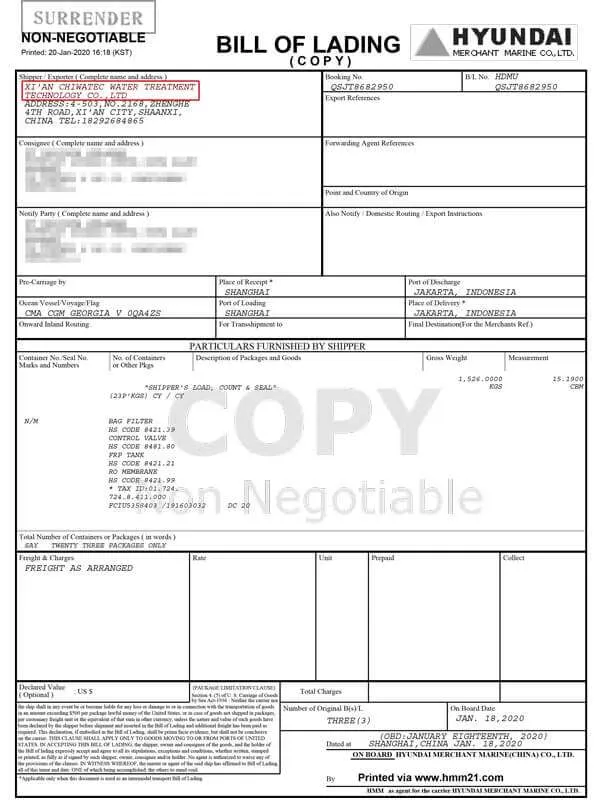
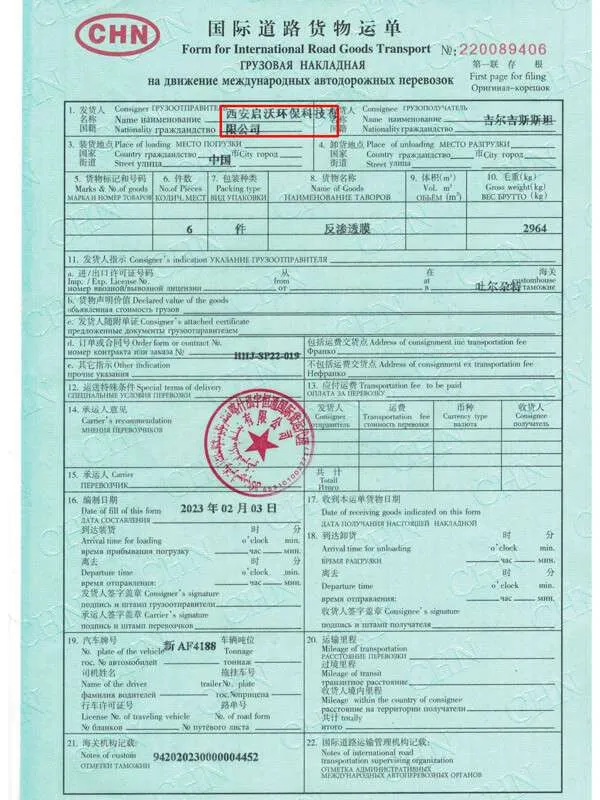
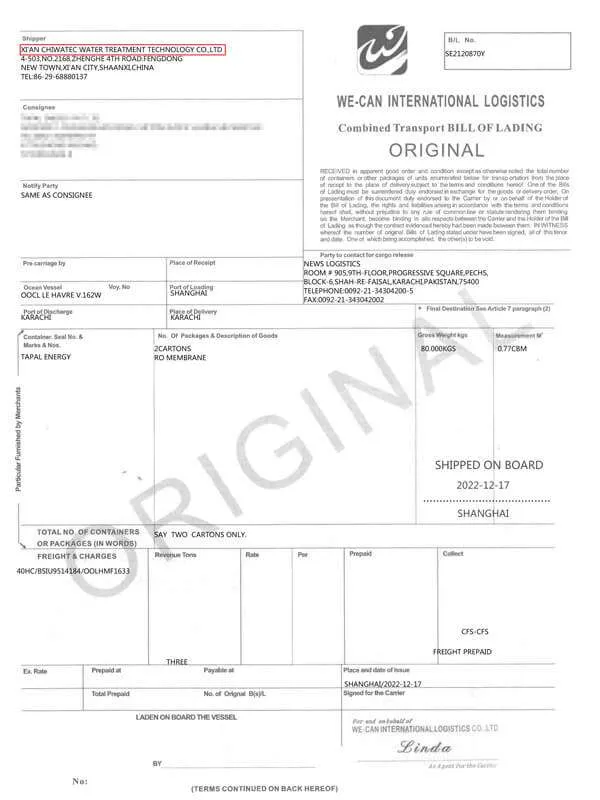
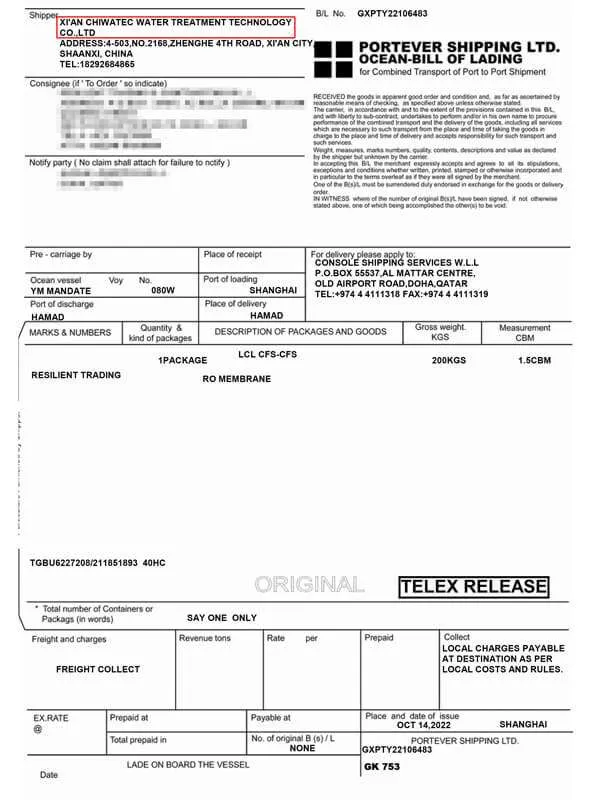
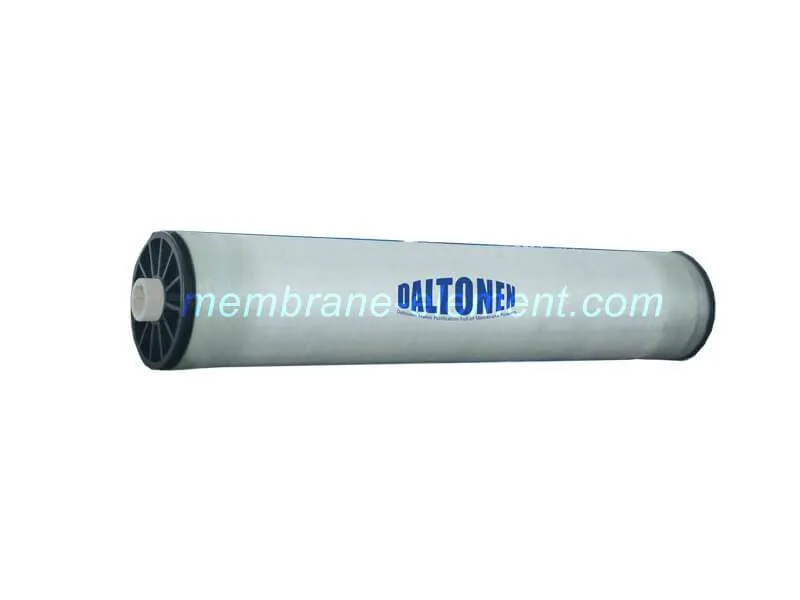
Xi’an CHIWATEC Water Treatment Technology provide the RO membrane to clients both inland and oversea with more than 10years experience. We manufacture our own brand Daltonen RO membrane and we are also the official distributor of Dupont, Toray, CSM, Nitto, LG and Vontron RO membrane. Whatever product you need, we cold meet your requirement.
Contact me for more info and best price.