Wondering what types of fouling affect your RO membranes? Understanding the types of RO membrane fouling is the first step to protecting membrane life and controlling operating costs. This guide covers the eight primary types of RO membrane fouling contaminants — from calcium carbonate scale to microbial deposition — with detailed information on identification, prevention, and cleaning strategies.
The global reverse osmosis membrane market was valued at approximately USD 6.8 billion in 2025 and is projected to reach USD 14.2 billion by 2034, growing at a CAGR of 8.5% (Grand View Research, 2025). RO membrane fouling is the single largest operational challenge in RO systems, accounting for 30-60% of total operating costs in industrial installations. When specific types of RO membrane fouling are not identified and treated promptly, membrane service life falls from the expected 5-7 years to as little as 1-3 years in severe cases — increasing replacement costs by 200-400%. Identifying the fouling composition is the first and most critical step in any cleaning and prevention strategy. CHIWATEC has been engineering industrial RO membrane systems for over a decade, providing tailored solutions for complex feed water conditions.
Last Updated: August 2026 | Industry-Verified Technical Data
Key Industry Trends in RO Membrane Fouling Management (2026)
The RO industry is responding to fouling challenges with four major trends that change how operators manage the types of RO membrane fouling present in their systems:
- Real-time fouling monitoring: advanced sensors and AI-driven analytics now enable continuous monitoring of membrane fouling indices (SDI, LSI), allowing operators to detect scaling and biofouling onset hours to days earlier than traditional periodic testing.
- Anti-fouling membrane technology: next-generation RO membranes with hydrophilic surface modifications and anti-adhesive coatings have reduced biofouling rates by 40-60% in municipal water reuse applications.
- PFAS-focused membrane systems: new EPA Maximum Contaminant Levels for PFAS (4 ppt for PFOA and PFOS, finalized in 2024 with compliance deadlines through 2029) are driving adoption of high-rejection RO membranes and specialized cleaning protocols for emerging contaminant fouling.
- Green cleaning alternatives: enzyme-based and biodegradable membrane cleaning agents are gaining regulatory preference over traditional harsh chemicals (caustic, acid, biocides), particularly in food and pharmaceutical applications.
The Eight Types of RO Membrane Fouling at a Glance
Each of the eight types of RO membrane fouling behaves differently: it forms under different conditions, produces different warning signals, and requires a different removal chemistry. The table below compares all eight types of RO membrane fouling by identification signal, removal method, and prevention focus.
| Fouling Type | Identification Signal | Removal Method | Prevention Focus |
| CaCO₃ scale | White crystals in concentrate sight tube; LSI above 0 | Low-pH citric acid (2%, pH 2.5-3.0) | Scale inhibitor 2-5 ppm; keep LSI below 0 |
| Sulfate scale (Ca/Ba/Sr) | Concentrate sulfate above 150% of saturation; barium above 0.05 ppm | Ba/Sr: not removable by cleaning; CaSO₄: EDTA at pH 11-12, 35-40 °C | Aggressive inhibitor dosing; avoid H₂SO₄ pH adjustment |
| Calcium phosphate | White to light-gray deposit; no acid effervescence | HCl or citric acid pH 2.5-3.0, then EDTA pH 11-12 | Phosphate-specific inhibitor; reduce recovery; lime softening |
| Metal oxides/hydroxides | Red-brown (Fe), black (Mn/Cu), white gel (Al); ΔP up +20-40% | Citric acid pH 2.5-3.0; sodium hydrosulfite 2% for iron | Coagulant dosing control; post-coagulation filtration |
| Polymeric silica | Glass-like layer; feed SiO₂ above 25 ppm | Ammonium bifluoride (toxic); hot caustic pH 12 at 40-45 °C, 4-8 h | Warm lime softening; silica-specific antiscalant |
| Colloids | Gradual ΔP rise; SDI above 3 | High-pH anionic surfactant (pH 11-12), 2-4 h soak | Coagulation-flocculation + multi-media/MF/UF |
| NOM | Gel layer; accelerating flux decline | NaOH + SDS at pH 11-12, 30-60 min + 2-4 h soak | Coagulation; UF (10-50 kDa); GAC replacement |
| Biofouling | EPS layer 50-100 μm; rapid flux loss | Alkaline pH 11-12 + surfactant, then acid; every 1-3 months | Feed disinfection; membrane-compatible biocide; vessel sanitation |
Detailed identification and removal procedures for every category follow, starting with the most common scale foulant. For a deeper look at the components and triggers behind each deposit, see our guide to reverse osmosis membrane pollutant types, or review reverse osmosis membrane fouling causes when diagnosing a specific system.
1. Calcium Carbonate (CaCO₃) Scale: The Most Common Foulant
Formation Mechanism
Of all the types of RO membrane fouling, calcium carbonate scale is the most common in RO systems. It forms when the scale inhibitor/dispersant addition system fails or when the acid addition pH adjustment system malfunctions, causing the feedwater pH to increase. As water passes through the membrane, the concentration of calcium and bicarbonate ions in the concentrate stream increases beyond the solubility limit of CaCO₃, leading to precipitation directly on the membrane surface.
Detection and Early Warning
Installing a transparent sight tube on the concentrate pipeline is essential for early detection of CaCO₃ scale. Visible white crystalline deposits in the sight tube are the first warning sign. The Langelier Saturation Index (LSI) should be maintained below 0 for RO feedwater to prevent CaCO₃ precipitation. For systems without real-time LSI monitoring, weekly measurements of concentrate stream pH and alkalinity are recommended.
Cleaning Methods
- Early-stage scale: lower feedwater pH to 3.0-5.0 and circulate for 1-2 hours. This dissolves CaCO₃ by converting it to soluble calcium bicarbonate.
- Established scale: use a low-pH citric acid solution (2% concentration, pH 2.5-3.0) for recirculation cleaning. Citric acid is preferred for its chelating properties, which enhance calcium removal.
- Prevention: maintain scale inhibitor dosage at 2-5 ppm (depending on feedwater chemistry), monitor LSI weekly, and ensure acid injection systems are calibrated quarterly.
2. Sulfate Scale: Calcium, Barium, and Strontium Sulfate
Characteristics and Risk Factors
Sulfate scales are significantly harder than calcium carbonate scale and far more difficult to remove. They form when the scale inhibitor/dispersant system fails or when sulfuric acid is used for pH adjustment, introducing additional sulfate ions into the feedwater. Barium sulfate (BaSO₄) and strontium sulfate (SrSO₄) are particularly problematic because they are nearly insoluble in all standard cleaning solutions — their solubility products (Ksp) are 1.1 × 10⁻¹⁰ and 3.2 × 10⁻⁷ respectively, several orders of magnitude below calcium sulfate (≈5 × 10⁻⁵).
Critical Detection Requirements
Sulfate scales require immediate detection — even small crystals deposited on the membrane surface can cause permanent damage. Unlike CaCO₃ scale, sulfate crystals can physically puncture or abrade the polyamide membrane layer during cleaning attempts. Key monitoring parameters include:
- Concentrate stream sulfate concentration — should remain below 150% of the calculated saturation level
- Barium and strontium levels in feedwater — any detectable barium (>0.05 ppm) requires aggressive scale inhibitor dosing
- Scale inhibitor residual testing — verify inhibitor is present in the concentrate stream
Cleaning Limitations
Due to their extreme insolubility, barium and strontium sulfate scales cannot be removed by conventional chemical cleaning. Prevention through proper scale inhibitor selection and dosing is the only reliable strategy. If precipitated, the membrane elements may need to be replaced. For calcium sulfate scale, EDTA-based chelating solutions at high pH (11-12) and elevated temperature (35-40 °C) may achieve partial removal with extended recirculation time (4-8 hours). When cleaning is required, follow the same preparation rules used for RO membrane cleaning solutions to avoid damaging the polyamide layer.
3. Calcium Phosphate Scale in RO Membrane Systems
Prevalence in Wastewater Applications
Calcium phosphate RO membrane fouling is most commonly encountered in municipal wastewater reclamation and industrial effluent treatment where phosphorus content is elevated. When feedwater phosphate concentrations reach or exceed 5 ppm, the risk of calcium phosphate precipitation in the concentrate stream increases significantly. Most RO design software does not include calcium phosphate solubility calculations in its projection programs, so operators must assess this risk manually. The good news is that calcium phosphate is one of the most preventable types of RO membrane fouling when feedwater phosphorus is known and controlled.
Identification and Removal
Calcium phosphate scale typically appears as a white to light-gray deposit on the membrane surface. Unlike CaCO₃ scale, it does not effervesce when exposed to acid. However, it can be effectively removed with acidic cleaning solutions (pH 2.5-3.0 using hydrochloric or citric acid). For persistent phosphate scale, a dual-step clean with acid followed by high-pH chelating agent (EDTA at pH 11-12) has shown superior results in case studies.
Prevention Strategy
When feedwater phosphate exceeds 5 ppm, operators should: (1) reduce system recovery to lower concentrate phosphate concentration, (2) increase scale inhibitor dosage with a formulation specifically designed for phosphate scale inhibition, and (3) consider chemical precipitation (lime softening) as a pretreatment step to remove phosphate before the RO system.
4. Metal Oxide and Metal Hydroxide Fouling
Common Contaminants and Sources
Metal oxide and hydroxide fouling typically involves iron (Fe), zinc (Zn), manganese (Mn), copper (Cu), and aluminum (Al) compounds. These contaminants originate from multiple sources: corrosion products from equipment piping, storage tanks, and pressure vessels (primarily iron oxides); oxidation reactions where dissolved metal ions (Fe²⁺, Mn²⁺) are oxidized by chlorine, ozone, potassium permanganate, or atmospheric oxygen to form insoluble precipitates; and coagulant carryover from pretreatment systems using iron-based (FeCl₃, Fe₂(SO₄)₃) or aluminum-based (alum, PAC) coagulants.
Identification
Metal oxide fouling is one of the easier types of RO membrane fouling to identify by color: red-brown deposits indicate iron oxides, black deposits suggest manganese dioxide or copper oxide, and white gelatinous deposits indicate aluminum hydroxide. The normalized pressure drop across the membrane array typically increases by 20-40% before significant flux decline is observed.
Cleaning Protocols
Most metal oxide scales respond to acidic cleaning at pH 2.5-3.0 using citric acid (preferred for its chelating ability), hydrochloric acid, or specialized metal-chelating formulations. For severe iron fouling, sodium hydrosulfite (2% solution) at pH 5-6 has shown excellent results by reducing Fe³⁺ to soluble Fe²⁺. Prevention requires optimizing pretreatment coagulant dosing and installing post-coagulation filtration (multi-media or cartridge filters) to capture any metal hydroxide floc carryover.
5. Polymeric Silica and Silicate Fouling
The Most Challenging Fouling Type
Silica fouling is arguably the most difficult of all types of RO membrane fouling to manage. It exists in two forms: (1) reactive silica (soluble, monomeric SiO₂) that can polymerize on the membrane surface when concentration exceeds approximately 150-200 ppm at pH 7, and (2) colloidal silica (particulate, often associated with metal hydroxides and organic matter). The polymerization mechanism is autocatalytic — once initiated, the reaction accelerates rapidly, forming a dense, glass-like layer that is extremely difficult to remove.
Key Risk Factors
- Feedwater silica concentration above 25 ppm (as SiO₂) requires special attention
- System recovery rates above 75-80% in silica-bearing waters significantly increase concentrate silica concentrations
- Iron and aluminum hydroxides catalyze silica polymerization on the membrane surface
- Low temperature (below 15 °C) reduces silica solubility, increasing scaling risk
Cleaning Limitations
Traditional cleaning methods are largely ineffective against polymeric silica scale. Conventional acid or caustic cleaning achieves only 10-30% removal. More aggressive approaches include ammonium bifluoride (ABF) — which has demonstrated success in some applications but is highly toxic, corrosive, and damaging to membranes if used improperly — and high-temperature caustic cleaning (40-45 °C, pH 12) with extended recirculation (4-8 hours) for partial removal. Prevention through warm lime softening pretreatment, enhanced recovery management, and silica-specific antiscalants is the primary defense; see our dedicated guide to silica removal in RO water treatment for the full prevention framework. If you are dealing with challenging silica fouling conditions, CHIWATEC offers customized pretreatment solutions and membrane system designs optimized for high-silica feedwaters.
6. Colloidal Fouling: Clay, Silt, and Fine Particulate Matter
Nature of Colloidal Contamination
Colloids are finely dispersed particles (typically 0.01-1 micron in diameter) that remain suspended in water due to electrostatic repulsion and Brownian motion — they do not settle by gravity. Colloidal RO membrane fouling typically involves a mixture of inorganic and organic components, commonly including clay minerals, fine silica, iron and aluminum hydroxides, and organic macromolecules. The Silt Density Index (SDI) is the standard measure of colloidal fouling potential; RO feedwater should maintain an SDI below 3.0, and ideally below 2.0.
Detection and Impact
- Pressure drop increase: colloidal fouling typically causes a gradual, steady increase in differential pressure across the membrane array
- Flux decline: unlike scaling (which causes rapid flux loss), colloidal fouling progresses more slowly but steadily over weeks to months
- Concentrate turbidity: a sharp increase in concentrate turbidity may indicate colloid breakthrough from pretreatment
Cleaning and Prevention
Colloidal fouling responds best to high-pH anionic surfactant cleaning (pH 11-12) that disperses and suspends colloidal particles. The cleaning protocol should include a prolonged soak phase (2-4 hours) to allow the cleaning solution to penetrate the colloidal layer on the membrane surface. Prevention relies on robust pretreatment: coagulation-flocculation followed by multi-media filtration, microfiltration, or ultrafiltration. For well water applications, greensand filtration or direct microfiltration may be adequate depending on colloid concentration and composition.
7. Dissolved Natural Organic Matter (NOM) Fouling
Organic Fouling Mechanisms
Dissolved Natural Organic Matter (NOM) is one of the most complex and challenging fouling categories in RO membrane operation. NOM originates from the decomposition of organic matter in surface waters and shallow wells, and its chemical composition varies significantly by source. The primary organic components are humic acids (high molecular weight, 2,000-100,000 Da) and fulvic acids (lower molecular weight, 500-2,000 Da).
Fouling Progression
Unlike mineral scaling, NOM fouling follows a distinct two-stage mechanism. Adsorption stage: NOM molecules adsorb directly onto the membrane surface through hydrophobic interactions and hydrogen bonding — this stage is rapid (hours to days) and creates a conditioning layer that alters membrane surface properties. Gel layer formation: the adsorbed NOM layer attracts additional organic molecules, forming a compressible gel or cake layer that severely restricts water permeation; once the gel layer reaches a critical thickness, flux decline becomes exponential.
Management Strategies
NOM fouling is best managed through a combination of pretreatment and optimized cleaning:
- Coagulation and flocculation: removes 40-60% of NOM before the RO system, particularly high-molecular-weight humic acids
- Ultrafiltration (UF) pretreatment: UF membranes with a molecular weight cutoff of 10,000-50,000 Da can remove more than 90% of NOM
- Cleaning: high-pH cleaning (pH 11-12) with surfactants is most effective for NOM removal; sodium hydroxide combined with sodium dodecyl sulfate (SDS) is a proven formulation, with 30-60 minutes of recirculation followed by a 2-4 hour soak
- Granular Activated Carbon (GAC): GAC pretreatment can remove 60-80% of NOM but requires regular replacement (every 6-12 months) to maintain effectiveness
8. Microbial Deposition: Biofouling of RO Membranes
Biofouling Causes and Consequences
Microbial deposition, or biofouling, is caused by the accumulation and growth of bacteria, fungi, molds, and other microorganisms on the membrane surface. The microorganisms produce extracellular polymeric substances (EPS) — a sticky, protective matrix of polysaccharides, proteins, and nucleic acids — that anchors cells to the membrane and shields them from disinfectants. Biofouling is widely considered the most difficult of all types of RO membrane fouling to control because:
- EPS layers can reach thicknesses of 50-100 microns within days under favorable conditions
- The EPS matrix acts as a diffusion barrier, protecting embedded bacteria from shear forces and chemical attack
- Once the feedwater channel is fully blocked, cleaning solutions cannot reach large areas of the membrane surface
Comprehensive Management Approach
Effective biofouling control requires a system-wide strategy that extends beyond the RO membranes themselves:
- Pretreatment disinfection: chlorination/dechlorination, chloramines, UV, or ozone treatment of feedwater
- Periodic sanitation: sanitize all pretreatment equipment, piping, and membrane pressure vessels during each cleaning cycle to eliminate biofilm seeding points
- Approved biocides: use only membrane-compatible biocides (e.g., DBNPA, isothiazolone, or glutaraldehyde) approved by the membrane manufacturer; apply oxidative biocides with extreme caution and consult the manufacturer for chlorine/tolerance specifications
- Cleaning frequency: biofouled membranes require more frequent cleaning (every 1-3 months vs. every 6-12 months for scaling); alkaline cleaning with surfactants at pH 11-12, followed by acid cleaning, is the standard two-step protocol
For expert guidance on membrane selection, fouling diagnosis, and customized cleaning protocols, CHIWATEC provides comprehensive support for industrial and commercial RO systems worldwide.
Conclusion
Identifying the types of RO membrane fouling in your system is the foundation of every successful cleaning and prevention program. Match each foulant to its own removal chemistry — low-pH citric acid for carbonate and metal oxide scale, EDTA at high pH for phosphate and sulfate, high-pH surfactant protocols for colloids and NOM, and a sanitizing two-step alkaline-acid clean for biofouling — and protect the membrane with targeted prevention: inhibitor dosing, LSI and SDI monitoring, robust pretreatment, and silica-specific antiscalants.
Whatever types of RO membrane fouling your feedwater produces, the CHIWATEC engineering team can help you diagnose the foulant, select the right membrane, and design a customized cleaning and prevention protocol for industrial and commercial RO systems worldwide. Contact us at [email protected], [email protected], or [email protected].
FAQ: Fouling Identification and Removal
What are the eight types of RO membrane fouling?
The eight types of RO membrane fouling are: (1) calcium carbonate (CaCO₃) scale, (2) calcium, barium and strontium sulfate scale, (3) calcium phosphate scale, (4) metal oxide and metal hydroxide fouling, (5) polymeric silica and silicate fouling, (6) colloidal fouling from clay, silt and fine particulates, (7) dissolved natural organic matter (NOM), and (8) microbial biofouling.
How can I identify which type of RO membrane fouling is affecting my system?
Start with visual signals and monitoring data: white crystals in a concentrate sight tube with LSI above 0 indicate CaCO₃ scale; red-brown deposits point to iron oxides, black deposits to manganese or copper oxides, and white gelatinous deposits to aluminum hydroxide; a gradual differential-pressure rise with SDI above 3 signals colloidal fouling; a compressible gel layer with exponential flux decline suggests NOM; and a slimy 50-100 micron EPS layer indicates biofouling. Confirming the foulant before cleaning ensures the correct chemistry is applied.
Which types of RO membrane fouling are the hardest to remove?
Polymeric silica and biofouling are the two most resistant types of RO membrane fouling. Silica scale can only be partially removed — 10-30% with conventional cleaning, or with ammonium bifluoride or high-temperature caustic (40-45 °C, pH 12, 4-8 hours) — and barium and strontium sulfate scale cannot be removed at all by conventional cleaning. Prevention is the only reliable strategy for both.
How often should a fouled RO membrane be cleaned?
Biofouled membranes typically need cleaning every 1-3 months, while scaling-dominant systems are cleaned every 6-12 months. In every case, clean when performance drops 10-15% from baseline — permeate production decline, feed pressure rise, or product water quality decline — rather than on a fixed calendar alone.
Can barium and strontium sulfate scale be removed by cleaning?
No. Barium and strontium sulfate have extremely low solubility products (Ksp 1.1 × 10⁻¹⁰ and 3.2 × 10⁻⁷) and are nearly insoluble in all standard cleaning solutions. Once precipitated, the membrane elements may need replacement. Prevention through proper scale inhibitor selection and dosing — with any detectable barium (>0.05 ppm) triggering aggressive dosing — is the only reliable strategy.
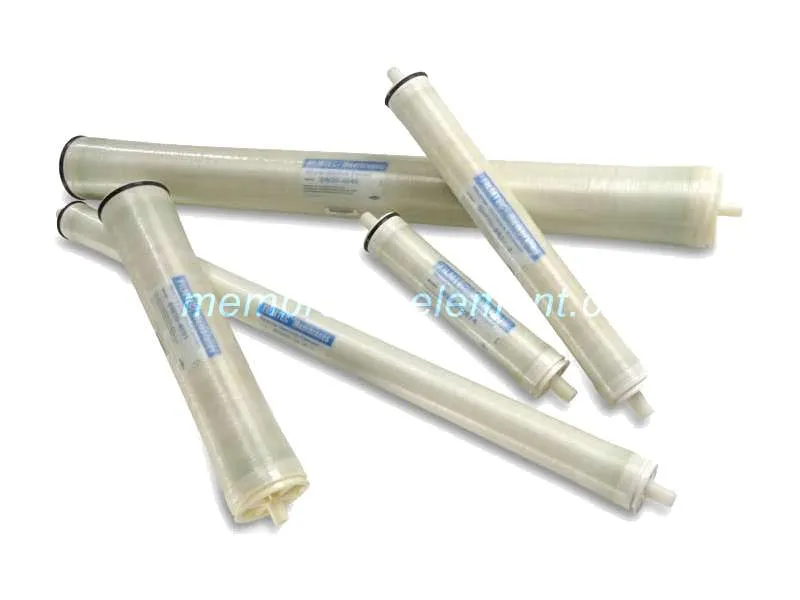
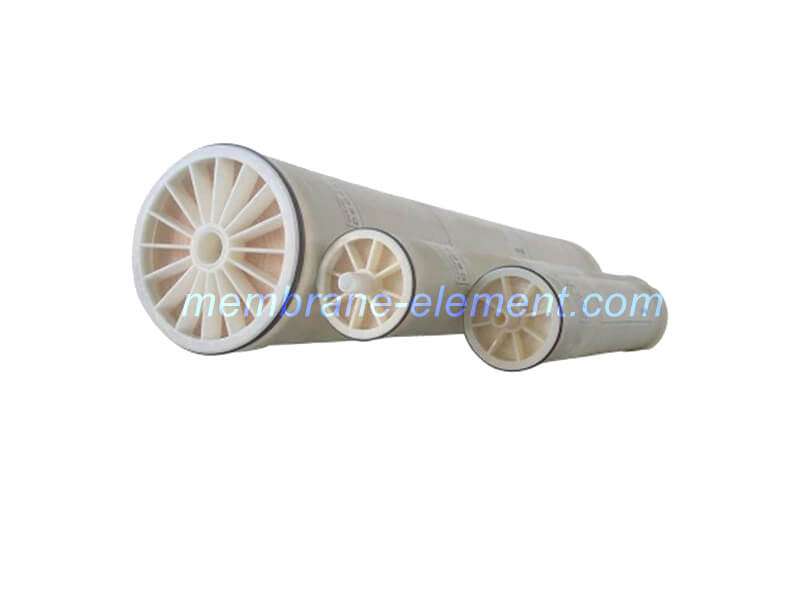
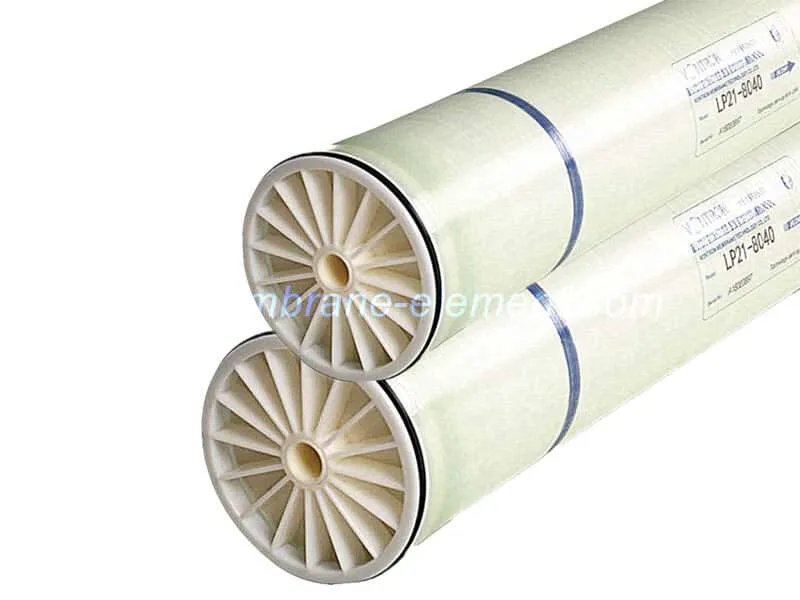
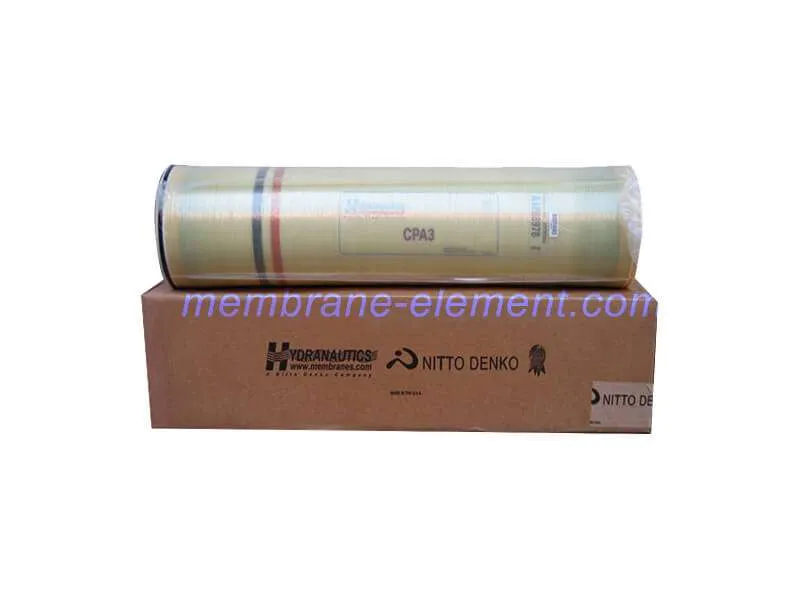
Xi’an CHIWATEC Water Treatment Technology provide the RO membrane to clients both inland and oversea with more than 10years experience. We manufacture our own brand Daltonen RO membrane and we are also the official distributor of Dupont, Toray, CSM, Nitto, LG and Vontron RO membrane. Whatever product you need, we cold meet your requirement.
Contact me for more info and best price.