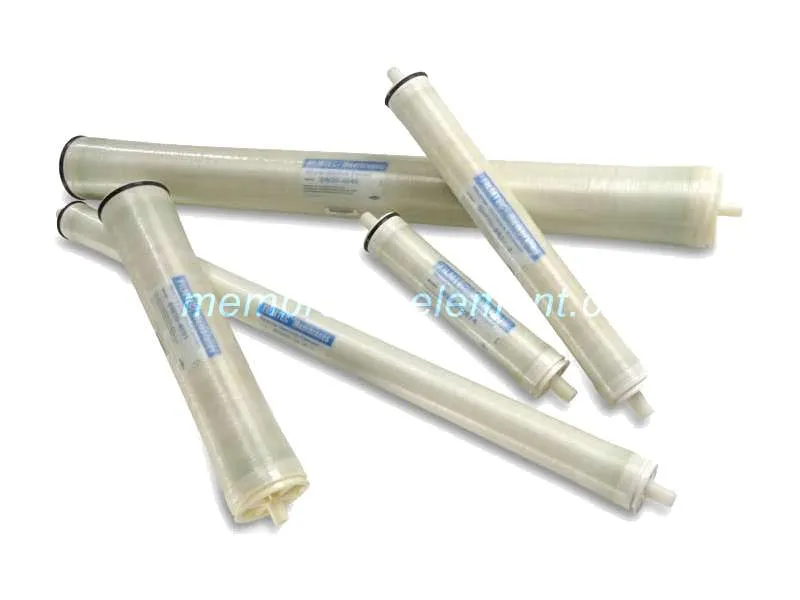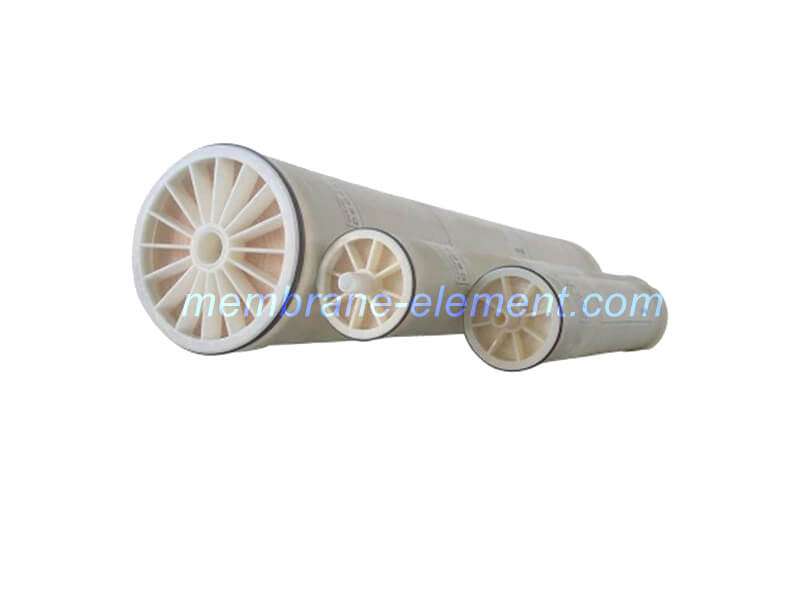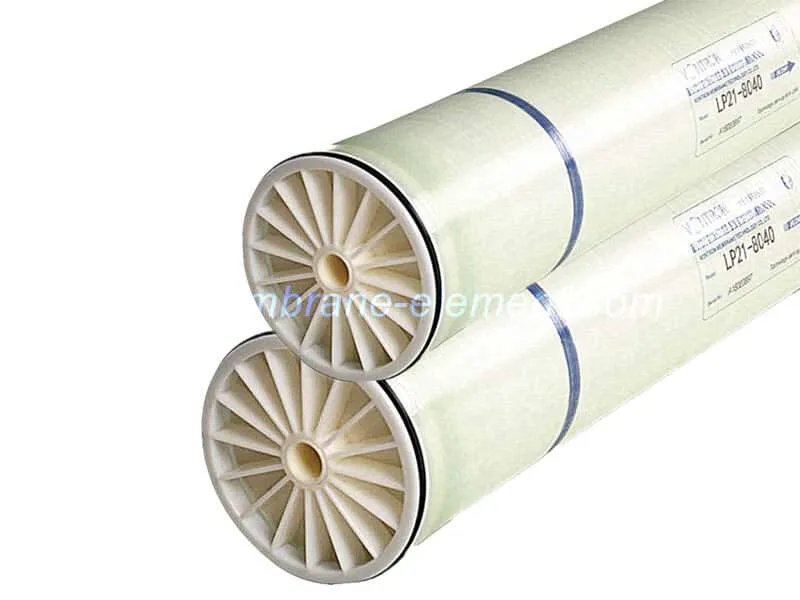
Reverse osmosis (RO) membrane technology is the most advanced liquid filtration method available. It removes up to 99% of dissolved salts, organic compounds, and microorganisms from water. This reverse osmosis membrane FAQ addresses the most common practical questions about RO membrane operation, maintenance, and troubleshooting.
This reverse osmosis membrane FAQ answers nine questions grouped into four topics. They cover membrane lifespan and storage, reverse osmosis versus nanofiltration, water chemistry, and system pretreatment.
Industry research valued the global RO membrane market at USD 6.8 billion in 2024. Projections place it at USD 12.4 billion by 2034, a CAGR of 6.2%. These operating answers therefore become more relevant for industrial and commercial water treatment with every passing year. CHIWATEC supplies high-performance RO membranes from leading manufacturers including Vontron, Hydranautics, and Dow Filmtec.
Last Updated: August 2026
Reverse Osmosis Membrane FAQ: Lifespan and Storage
Lifespan tops this reverse osmosis membrane FAQ because replacement timing drives operating cost.
1. How long can reverse osmosis membrane elements be used?
The service life of RO membrane elements depends on chemical stability, physical stability, cleanability, and feed water quality. Pretreatment effectiveness, cleaning frequency, and operational management also matter. Under normal operating conditions with proper pretreatment, thin-film composite (TFC) polyamide membranes typically last 3-7 years. The requirements include SDI below 3, free chlorine below 0.1 mg/L, and temperature between 5-45 °C. The average lifespan is 5 years before replacement makes economic sense. Frequent chemical cleaning, high fouling water sources, and inconsistent operation can reduce lifespan to 2-3 years. Annual membrane autopsy and performance trend analysis — normalized permeate flow and salt rejection — help operators predict replacement timing.
2. How to prevent microorganism growth in stored membrane elements?
Storage protection is the second lifespan topic in this reverse osmosis membrane FAQ. New RO membrane elements ship with a 1% sodium bisulfite (SBS) protective solution. The solution is food grade and not cobalt-activated, and it prevents biological growth during storage. If the protective liquid becomes turbid, microorganisms have proliferated. Re-immerse the elements in fresh 1% SBS solution for approximately 1 hour, then drain and reseal. Inspect stored membrane elements every three months. Storage temperature should remain between 5-35 °C, away from direct sunlight and freezing conditions. For long-term storage exceeding 6 months, consider a 0.5-1.0% formaldehyde solution or a proprietary membrane storage solution with periodic recirculation. Operators of UF systems can apply the same SBS protocol described in our hollow ultrafiltration membrane storage guide.
Reverse Osmosis vs Nanofiltration: Key Differences
The first technology comparison in this reverse osmosis membrane FAQ places nanofiltration between RO and ultrafiltration.
3. What is the difference between reverse osmosis and nanofiltration?
Nanofiltration (NF) is a membrane separation technology between reverse osmosis (RO) and ultrafiltration (UF). RO membranes remove solutes with molecular weight below 0.0001 microns (pore size about 0.1-1 nm), achieving 95-99% salt rejection. Nanofiltration membranes remove solutes with molecular weight of approximately 0.001 microns. Their pore size is about 1-5 nm, with 20-80% salt rejection overall. Monovalent ions (NaCl, CaCl2) pass more freely, while divalent ions (MgSO4) reject at 90-98%. NF is essentially a low-pressure RO, requiring 5-10 bar compared with RO’s 10-69 bar. This makes NF suitable for well water and surface water treatment where moderate hardness removal is needed without full desalination. NF often earns the nickname of a softening membrane. It selectively removes divalent hardness ions while allowing monovalent ions to pass. Our nanofiltration membrane technology guide covers the mechanism in more depth.
4. What separation capabilities do different membrane technologies offer?
This reverse osmosis membrane FAQ comparison continues with the full separation spectrum across MF, UF, NF, and RO.
| Technology | Pore Size | MWCO (Da) | Operating Pressure | Removes | Salt Rejection |
| Microfiltration (MF) | 0.1-1.0 μm | >500,000 | 1-3 bar | Bacteria, TSS, flocs | None |
| Ultrafiltration (UF) | 0.01-0.1 μm | 1,000-100,000 | 2-5 bar | Colloids, proteins, macromolecules | None |
| Nanofiltration (NF) | ~0.001 μm | 200-400 | 5-10 bar | Divalent ions, hardness | 20-80% |
| Reverse Osmosis (RO) | <0.0001 μm | <100 | 7-69 bar | All dissolved salts, organic >100 MW | 95-99% |
This comparison helps system designers select the appropriate membrane technology for specific water quality targets and operating budgets. Membrane separation principle explains the physics behind each barrier in detail.
RO Membrane Feed Water Requirements
Feed water quality is the most cited topic in any reverse osmosis membrane FAQ, and this one is no exception.
5. What are the feed water requirements for RO membrane elements?
RO systems require feed water free from the following contaminants. Removing them prevents membrane damage, fouling, and premature failure.
- Suspended solids: SDI < 3, turbidity < 1 NTU.
- Colloidal matter: remove it by pretreatment coagulation or ultrafiltration.
- Calcium sulfate (CaSO4): keep it below its solubility limit; antiscalant dosing recommended.
- Algae and bacteria: chlorination plus dechlorination, or UV sterilization.
- Oxidizers (free chlorine, ozone): below 0.1 mg/L; TFC polyamide membranes are chlorine-sensitive.
- Oil and grease: below instrument detection limit; causes irreversible fouling.
- Organic matter and iron-organic complexes: fouling potential; recommend TOC < 3 mg/L.
- Metal oxides (Fe, Cu, Al corrosion products): iron below 0.05 mg/L to prevent catalytic fouling.
Feed water quality compliance directly determines RO membrane lifespan and operating cost. A typical pretreatment train includes multimedia filtration and activated carbon for chlorine removal. Antiscalant injection and 5-micron cartridge filtration follow before the high-pressure pump. Our RO membrane feed water requirements guide covers each limit in additional detail.
Why RO Product Water pH Is Lower Than Feed Water
Product water pH is a frequently asked reverse osmosis membrane FAQ question. The answer explains why it runs one to two units below feed pH.
6. Why is RO product water pH lower than feed water pH?
The pH drop in RO product water stems from the CO2/HCO3-/CO3= equilibrium shift. RO membranes reject soluble ions (HCO3-, CO3=) at 90-98%, but they cannot remove dissolved gases like CO2. CO2 passes through the membrane freely while bicarbonate and carbonate stay behind. The equilibrium then shifts: CO2 + H2O → H+ + HCO3-. This releases hydrogen ions and lowers product pH by 1-2 units. For example, feed water at pH 7.5 with 150 mg/L alkalinity (as CaCO3) may produce water at pH 5.5-6.5. This is normal behavior and does not indicate membrane damage. Drinking water regulations (pH 6.5-9.0) often require post-treatment pH adjustment via caustic injection or degasification for potable applications. Our RO product water pH guide explains the carbonate chemistry in depth.
Silica Concentration Limits in RO Concentrate
Silica limits belong in this reverse osmosis membrane FAQ because scaling is irreversible without proper control.
7. What is the maximum allowable silica concentration in RO concentrate?
Without antiscalant addition, the maximum silica (SiO2) concentration at the concentrate end is 100 mg/L to prevent silica scaling. Above this concentration, amorphous silica polymerizes and forms a hard, difficult-to-remove scale on the membrane surface. With specialized antiscalants designed for silica control, the limit can reach 240-290 mg/L at the concentrate end. The exact value depends on temperature, pH, and antiscalant chemistry. Silica solubility increases with temperature. It rises from about 120 mg/L at 25 °C to about 180 mg/L at 40 °C. pH above 8.0 helps further. For feed water with high silica content, above 30 mg/L, warm lime softening may be necessary before the RO system. Magnesium oxide adsorption pretreatment also works. Our companion guide on silica removal in RO water treatment details the pretreatment options.
Chromium and Oxidative Damage to RO Membranes
Chromium catalysis is one of the less obvious reverse osmosis membrane FAQ topics, yet it causes severe oxidative damage.
8. What effect does chromium have on RO membrane performance?
Heavy metals such as chromium can catalyze chlorine-induced oxidative degradation of polyamide RO membranes. Hexavalent chromium (Cr6+) is particularly aggressive. Its high oxidation potential catalyzes the reaction between free chlorine and the polyamide membrane polymer, causing irreversible performance loss. Trivalent chromium (Cr3+) is significantly less harmful. Chromium concentration in RO feed water should stay minimal, ideally below 0.05 mg/L. Coagulation or flocculation removes it, or reduction converts Cr6+ to Cr3+ using sodium bisulfite or ferrous sulfate. If chromium is present alongside residual chlorine, the combined oxidative damage is 5-10 times more severe than chlorine alone.
RO System Pretreatment Requirements
Pretreatment closes this reverse osmosis membrane FAQ because it is the single most important reliability factor.
9. What pretreatment does an RO system typically need?
A standard RO pretreatment system starts with coarse filtration at approximately 80 microns to remove large particles. Chlorine injection provides microbial control, then multimedia filtration or clarification reduces suspended solids. Sodium bisulfite dosing cuts residual chlorine, and a 5-micron security filter (cartridge filter) sits immediately before the high-pressure pump. The security filter acts as a final insurance barrier against accidental large particles. Such particles could damage the high-pressure pump impeller and membrane elements. For challenging water sources:
- High turbidity water (>10 NTU): add coagulation/flocculation or ultrafiltration pretreatment.
- High hardness (>300 mg/L): add softening, or antiscalant plus acid dosing.
- High iron/manganese (>0.3 mg/L): add greensand filtration, or aeration plus filtration.
- High organic matter (TOC >5 mg/L): add activated carbon or use anti-fouling membrane elements.
- Seawater or brackish water: add dual-media filtration, cartridge filtration, and antiscalant; consider DAF for algal-laden seawater.
Proper pretreatment is the single most important factor determining RO system reliability and membrane lifespan. Our RO membrane pretreatment process guide walks through each stage of the train.
Conclusion
This reverse osmosis membrane FAQ has covered the nine operating questions that matter most to RO system designers and operators. Lifespan, storage, feed water limits, pH behavior, silica and chromium risks, and pretreatment design all reduce to one principle. Protect the membrane through water quality control.
CHIWATEC supplies high-performance RO membranes from Vontron, Hydranautics, and Dow Filmtec. Application engineering support covers industrial and commercial water treatment systems. Contact our team for element selection, system design, or troubleshooting support: [email protected], [email protected], and [email protected].
FAQ: RO Membrane Operation and Maintenance
Q1: Can free chlorine be used to disinfect RO feed water?
Yes, but only with dechlorination before the membrane. TFC polyamide membranes tolerate free chlorine below 0.1 mg/L; higher levels cause irreversible oxidation. Dose sodium bisulfite or pass the water through activated carbon after chlorination.
Q2: What SDI value should RO feed water meet?
SDI below 3 is the standard target, with turbidity below 1 NTU. Coagulation or ultrafiltration handles colloidal matter, and a 5-micron security filter provides the final barrier before the high-pressure pump.
Q3: Why is nanofiltration called a softening membrane?
NF rejects divalent ions such as MgSO4 at 90-98% while allowing monovalent ions such as NaCl to pass. Operating at 5-10 bar, it removes hardness without full desalination.
Q4: What pretreatment does seawater require?
Seawater RO typically needs dual-media filtration, cartridge filtration, and antiscalant dosing. Add dissolved-air flotation (DAF) when algal blooms threaten the intake.
Q5: How should stored RO membrane elements be inspected?
Inspect stored elements every three months. Turbid protective liquid means microbial growth; re-immerse them in fresh 1% SBS solution for about 1 hour, drain, and reseal. Keep storage at 5-35 °C away from sunlight and freezing.
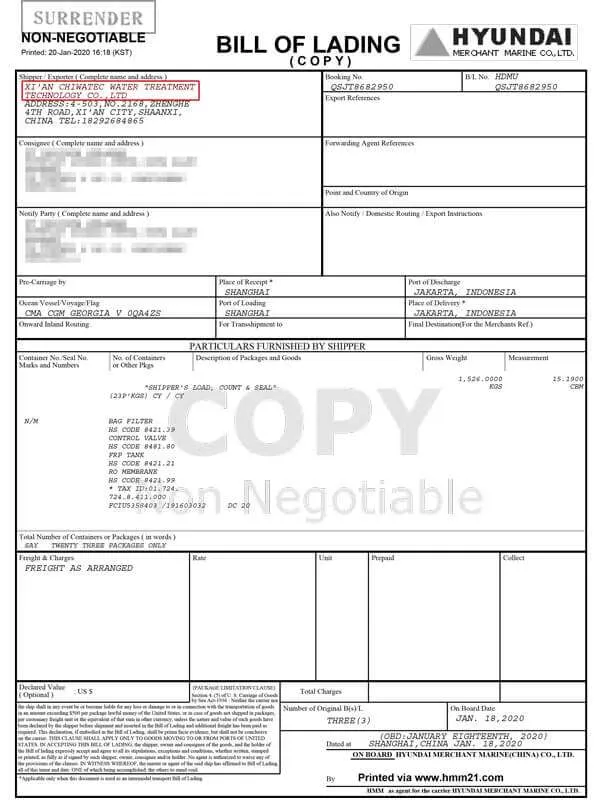
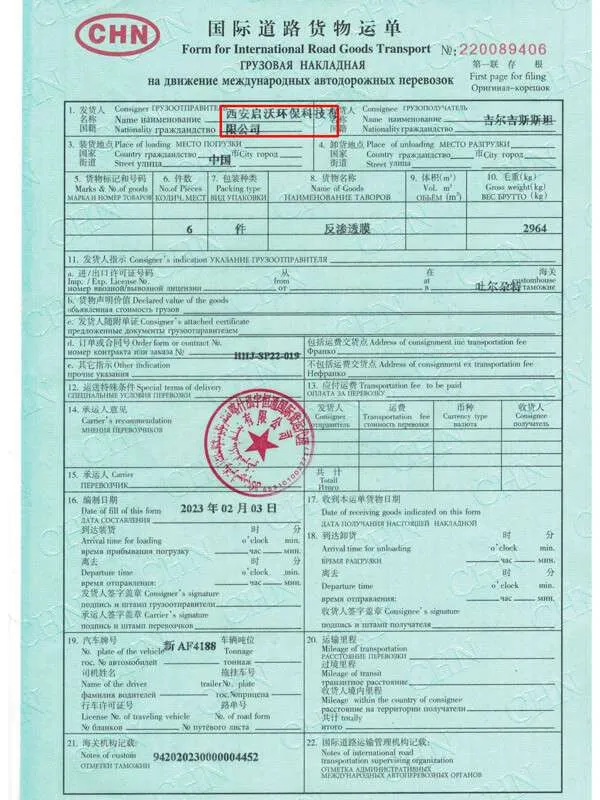
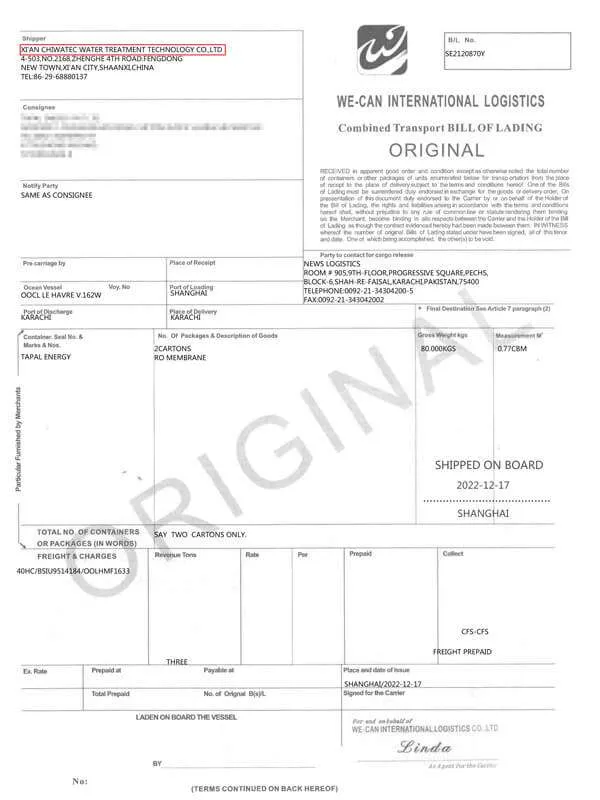
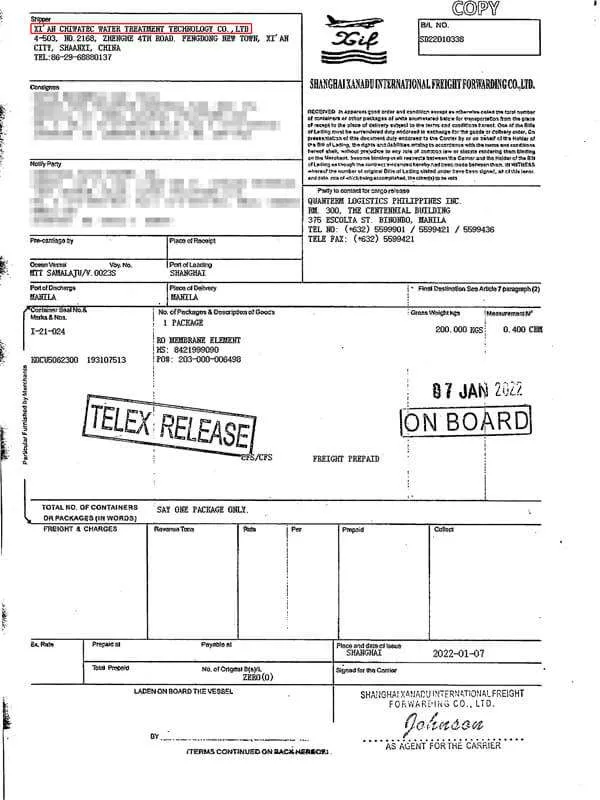
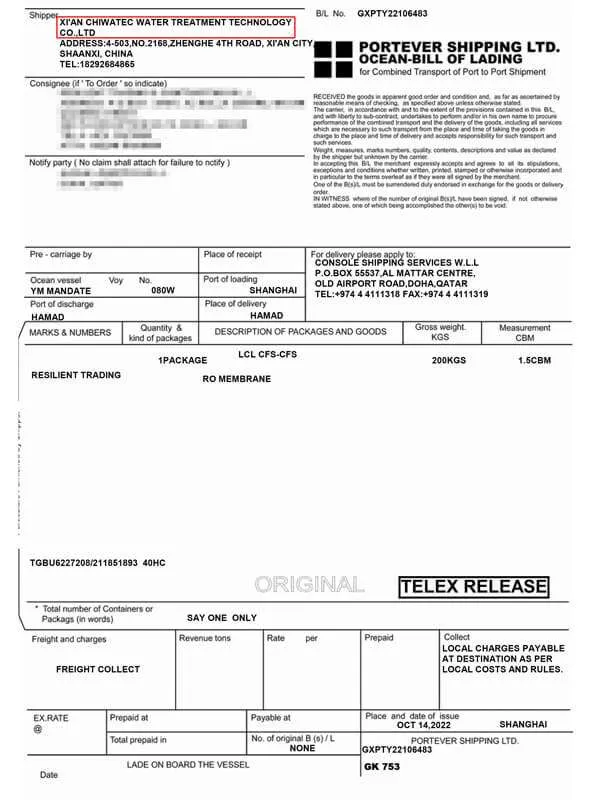
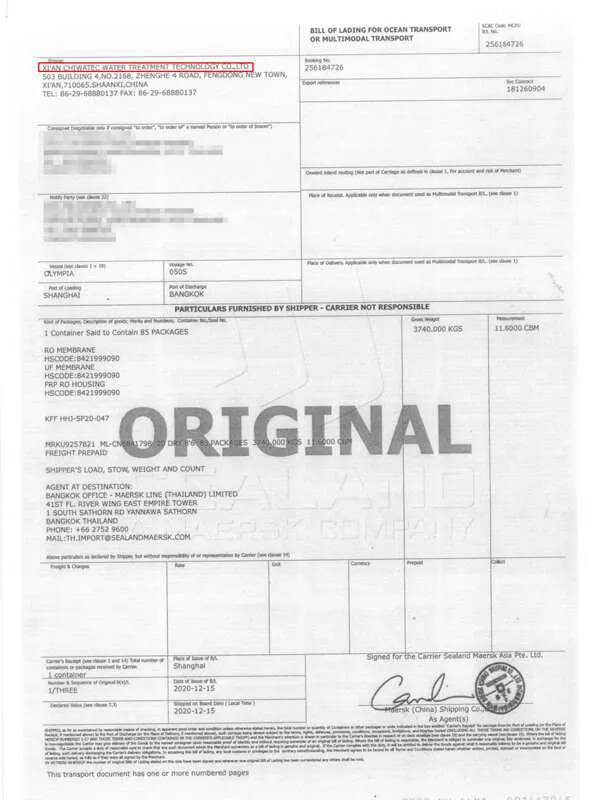
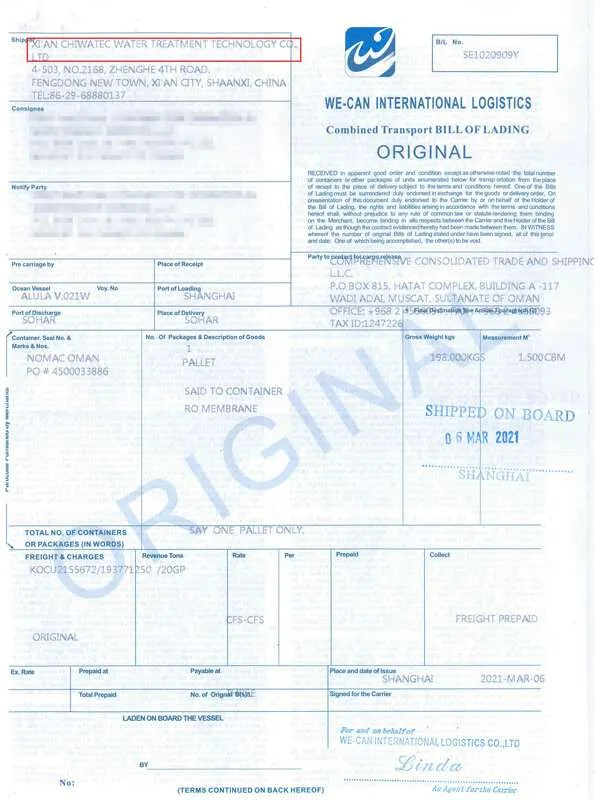
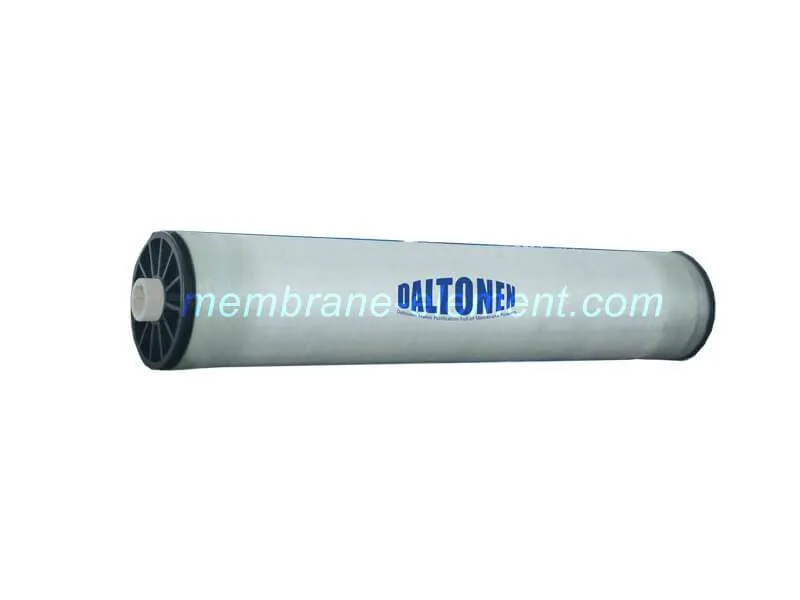
Xi’an CHIWATEC Water Treatment Technology provide the RO membrane to clients both inland and oversea with more than 10years experience. We manufacture our own brand Daltonen RO membrane and we are also the official distributor of Dupont, Toray, CSM, Nitto, LG and Vontron RO membrane. Whatever product you need, we cold meet your requirement.
Contact me for more info and best price.