Domestic water treatment equipment turns municipal or well water into water that is safe, healthy, and pleasant for household use. Water softeners remove hardness minerals that scale pipes and appliances, RO purifiers strip contaminants down to the molecular level, and precision filters polish the final product. The goal of a modern household system is water that is healthy, convenient, automated, and reliable — and each piece of equipment contributes a different part of that outcome. This guide explains the main types of domestic water treatment equipment, how each one works, what to consider when selecting a system, and how the technologies relate to the industrial membrane systems we supply. For the membrane science behind the most popular purifier type, start with our how does RO membrane work guide.
1. Water Softeners: Removing Hardness at the Source
Water softeners are the first type of domestic water treatment equipment most homes need, because hard water is the most common water quality complaint worldwide. A softener removes calcium and magnesium ions through an ion exchange process: hard water passes through a bed of resin beads loaded with sodium, and the resin trades sodium for calcium and magnesium, releasing softened water. Removing these hardness ions prevents scale buildup in pipes, water heaters, and faucets, and it prolongs the life of plumbing fixtures and appliances. Soft water is especially beneficial in homes with high-end sanitary products, heating systems, and tankless water heaters, where scale deposits cause premature failure and efficiency loss. The resin bed must be regenerated periodically with a brine solution, and modern softeners automate this cycle so the household sees no interruption in service.
2. RO Water Purifiers: Membrane-Level Filtration
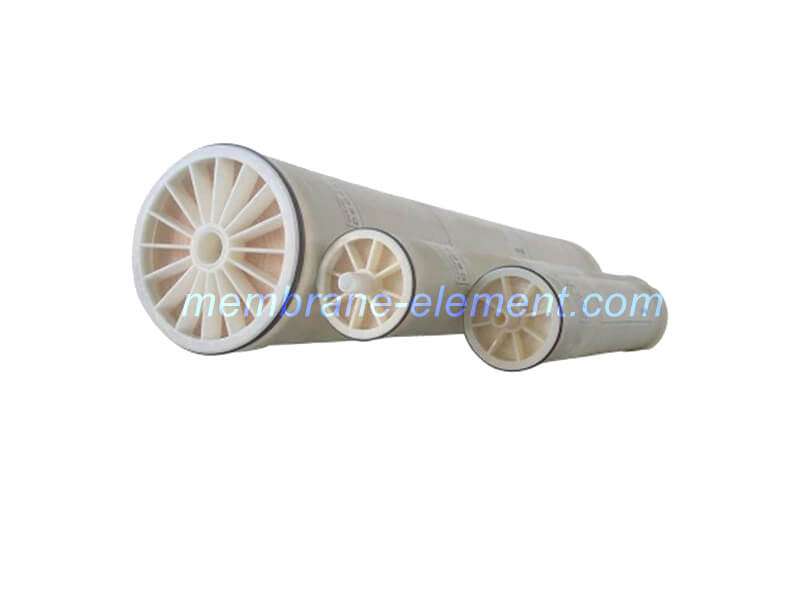
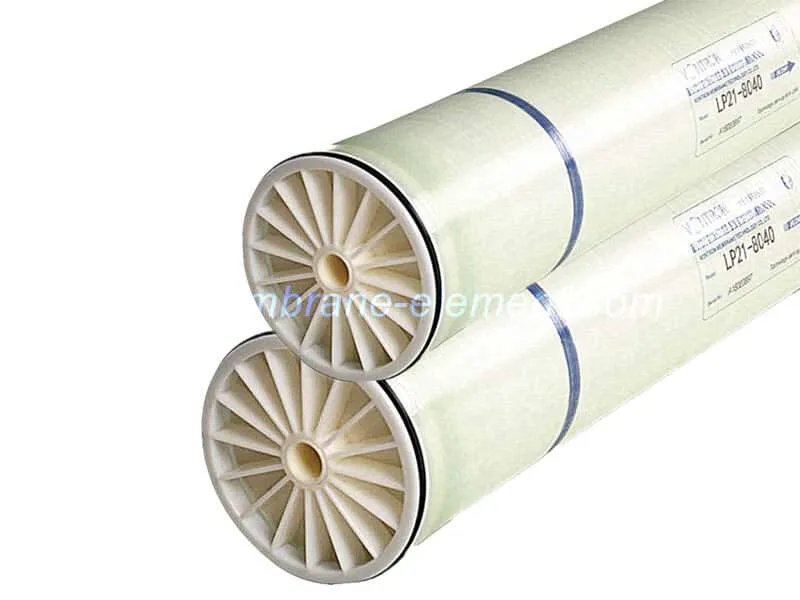
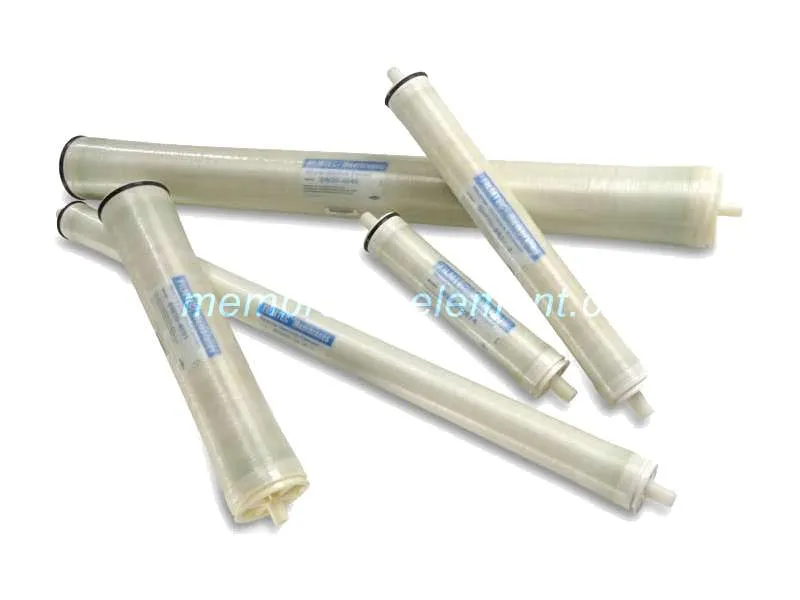
RO water purifiers are the most powerful category of domestic water treatment equipment for contaminant removal. These systems use reverse osmosis membrane technology to filter out contaminants down to one ten-thousandth of a micron, a pore scale that effectively removes bacteria, viruses, heavy metals, and dissolved salts from drinking water. A typical household RO purifier combines sediment pre-filters, activated carbon, the RO membrane element, and a post-carbon stage, so the water is filtered several times before reaching the tap. The trade-off is well known: while RO systems provide high-quality purified water, they also strip some beneficial minerals. For this reason, it is advisable to choose purifiers that add essential minerals back into the water, either through a remineralization cartridge or a mineral-enrichment stage, so the final water is both pure and balanced.
3. Precision Filters: Final Polishing
Precision filters complete the household treatment chain by capturing finer particles that earlier stages may release. These filters — often pleated cartridges or sediment blocks with ratings of 1 to 5 microns — are designed to capture fine particles and improve overall water quality, complementing the function of water softeners and purifiers. In a multi-stage system, the precision filter typically sits after the softener and before or after the RO membrane, protecting the membrane from particles that could plug its surface and polishing the final water for clarity and taste. They are inexpensive, easy to replace, and their main maintenance requirement is a simple swap on a fixed schedule — making them the low-effort component that protects the high-value components in the system.
| Equipment | Target Contaminants | Technology | Maintenance |
| Water softener | Calcium, magnesium (hardness) | Ion exchange resin | Brine regeneration cycle |
| RO purifier | Bacteria, viruses, heavy metals, salts | Reverse osmosis membrane | Filter and membrane replacement |
| Precision filter | Fine particles, sediment | Pleated cartridge, 1–5 μm | Periodic cartridge swap |
The table summarizes how the three core types of domestic water treatment equipment divide the work: hardness removal, contaminant removal, and final polishing.
4. Complete Household Water Treatment Systems
In practice, most homes install a combination rather than a single device. A complete domestic water treatment equipment configuration typically starts with a sediment filter at the point of entry, followed by a softener for the whole house, and a point-of-use RO purifier in the kitchen for drinking and cooking water. Whole-house systems protect plumbing and appliances; point-of-use purifiers deliver the highest quality water where it is consumed. Automatic control valves, pressure tanks, and leak detectors add the convenience and automation that modern households expect. When sizing a system, the two key inputs are the feed water analysis — hardness, iron, TDS, and any specific contaminants of concern — and the household’s daily water consumption, because both determine the capacity of the softener, the size of the RO storage tank, and the replacement schedule for filters.
5. Health Considerations for Drinking Water
Selecting domestic water treatment equipment involves health decisions as well as performance ones. Pure water from RO systems may not be suitable as a long-term drinking source for children and the elderly, because it lacks the minerals these groups need and long-term consumption of demineralized water is associated with mineral loss. Consider models that enrich water with minerals — either a remineralization cartridge that adds calcium and magnesium back, or a bypass blending stage that mixes a portion of softened water with the RO permeate. For households with infants, elderly members, or people on restricted mineral diets, the remineralizing option is the responsible choice, delivering contaminant removal without the downside of demineralized water.
6. Regulatory Restrictions on Specialty Devices
Not every device sold as a water treatment product is legitimate domestic water treatment equipment. Electrolyzed water machines and frequency spectrum water machines are often restricted or prohibited in sales, because their health claims are not supported by evidence and they are categorized as health care products rather than standard water treatment equipment. The practical rule for buyers is to look for products with verified certification — for example, NSF/ANSI standards for the relevant contaminant reduction claims — and to treat devices whose only documentation is marketing language with caution. A credible supplier will publish the technology used, the contaminants removed, and the test standard applied; a device that cannot state these clearly is not worth the installation space.
7. Selecting the Right Equipment for Your Water
Choosing among domestic water treatment equipment starts with a water test, not a product catalog. Test for hardness, iron, manganese, TDS, chlorine, and any local contaminants of concern such as arsenic or nitrates. If hardness is high, a softener comes first. If the water contains heavy metals, microbes, or high TDS, an RO purifier is the appropriate stage. If the feed water is already clean and the goal is taste and sediment removal, a precision filter or carbon system may be sufficient on its own. Budget and maintenance preference matter too: softeners need salt refills, RO systems need periodic filter and membrane changes, and every system needs a monitoring routine. The same logic that guides industrial system design — analyze the feed, then match the technology — applies at household scale.
8. How Household Systems Relate to Industrial Membranes
The membrane inside a kitchen RO purifier is the same technology class used in large desalination and industrial plants — thin-film composite polyamide elements — scaled down to a fraction of the size. Understanding the industrial side helps homeowners and technicians maintain household systems better: the feed water requirements, fouling behavior, and cleaning principles are identical, just at different flow rates. If the household RO membrane produces water slowly or tastes off, the cause is usually fouling or a depleted pre-filter, and the same performance-monitoring logic applies. For the technical depth behind these home devices, our RO membrane evaluation indices guide explains how flux and rejection are measured, and our RO membrane feed water requirements guide covers what water quality a membrane needs to stay healthy.
Conclusion
Domestic water treatment equipment delivers safe, healthy, and pleasant water by combining three complementary technologies: softeners remove hardness, RO purifiers remove contaminants at the membrane level, and precision filters polish the final product. The right system depends on your feed water analysis and household needs — and for drinking water, mineral remineralization deserves serious consideration, especially in homes with children and the elderly. Buy certified equipment, plan the maintenance schedule, and treat devices with unverifiable health claims with caution. Whether you are choosing a household purifier or designing an industrial system, the membrane technology is the same — and choosing it well starts with understanding your water. For help selecting RO membranes or complete water treatment systems, contact us at [email protected] or [email protected].
FAQ:
What is the difference between a water softener and a water purifier?
A water softener removes hardness minerals (calcium and magnesium) through ion exchange, preventing scale but not removing contaminants. A water purifier — typically RO-based — removes bacteria, viruses, heavy metals, and dissolved salts down to one ten-thousandth of a micron. Most complete home systems install both: a whole-house softener plus a point-of-use RO purifier for drinking water.
Is RO purified water safe to drink long-term?
RO water is safe, but long-term consumption of demineralized water may not be ideal for children and the elderly because it lacks beneficial minerals. The standard solution is a remineralization cartridge that adds calcium and magnesium back after the RO stage, or a bypass blending stage. Choose a purifier with mineral enrichment for households with children or elderly members.
How often should household water treatment equipment be maintained?
Sediment and carbon pre-filters are typically replaced every 6–12 months, the RO membrane every 2–3 years depending on feed water and usage, and the softener resin is regenerated automatically with brine. Precision filter cartridges are swapped on a fixed schedule of months. Follow the manufacturer’s schedule and replace filters sooner if water quality or flow declines.
Do I need a water softener if I have an RO purifier?
Not necessarily for drinking water, but yes for the whole house if your water is hard. An RO purifier protects only the drinking water point; a softener protects pipes, water heaters, and appliances throughout the home from scale. If your water test shows high hardness, a whole-house softener plus a point-of-use RO purifier is the recommended combination.
Xi’an CHIWATEC Water Treatment Technology provide the RO membrane to clients both inland and oversea with more than 10years experience. We manufacture our own brand Daltonen RO membrane and we are also the official distributor of Dupont, Toray, CSM, Nitto, LG and Vontron RO membrane. Whatever product you need, we cold meet your requirement.
Contact me for more info and best price.