The history of reverse osmosis technology spans nearly three centuries, from a 1748 observation of osmosis in a laboratory to the spiral-wound composite membranes that purify more than 12 million tons of water every day. Tracing this evolution explains why RO became the dominant pure water preparation process in power, petroleum, chemical, metallurgy, electronics, medicine, and food industries — and where membrane technology is heading next. This guide covers the key milestones, market dynamics, and product innovations that shaped reverse osmosis into the transformative force it is today.
History of Reverse Osmosis Technology: From Discovery to Global Dominance
The history of reverse osmosis technology can be told in five milestones. Each step took the process from a laboratory curiosity to an industrial cornerstone:
| Year | Milestone |
| 1748 | Abbé Nollet observes osmosis and demonstrates that a membrane can separate water from dissolved solids. |
| 1950s | Reid at the University of Florida demonstrates salt rejection by cellulose acetate membranes. |
| 1960 | Loeb and Sourirajan invent the asymmetric cellulose acetate membrane at UCLA, making practical RO possible. |
| 1965 | The first commercial reverse osmosis desalination plant starts operation in Coalinga, California. |
| 1980s | Aromatic polyamide thin-film composite membranes (e.g., FilmTec FT-30) enter the market and become the industry standard. |
| 2002 | China’s RO membrane sales reach about 10% of global volume, estimated at roughly USD 30 million. |
| 2020s | Spiral-wound composite RO membranes dominate worldwide, powering seawater desalination, ultrapure water, and municipal reuse plants. |
The underlying separation physics is explained in the principle of membrane separation — reverse osmosis simply applies pressure to overcome natural osmotic pressure.
RO Enters the Mainland Market and Pure Water Industries
When American RO membrane products first entered the mainland market, they marked a symbolic starting point for domestic reverse osmosis adoption. Since then, the RO pure water preparation process has developed rapidly, finding applications in diverse industries such as power, petroleum, chemical, metallurgy, electronics, medicine, and food. This expansion is a defining chapter in the history of reverse osmosis technology.
Municipal water supply, direct drinking water, and other civilian applications have also embraced the technology, establishing reverse osmosis as a dominant player in the pure water preparation process. National and corporate purchasing power, coupled with increased personal consumption levels, fueled this widespread adoption — the technology’s versatility earned it acceptance across sectors and a pivotal role in the progress of domestic industries.
Today, the story of reverse osmosis technology in China has moved from importing membranes to manufacturing them: domestic brands and joint ventures now serve both local projects and export markets.
Roll-Up Membrane Elements: Why Spiral-Wound Design Won
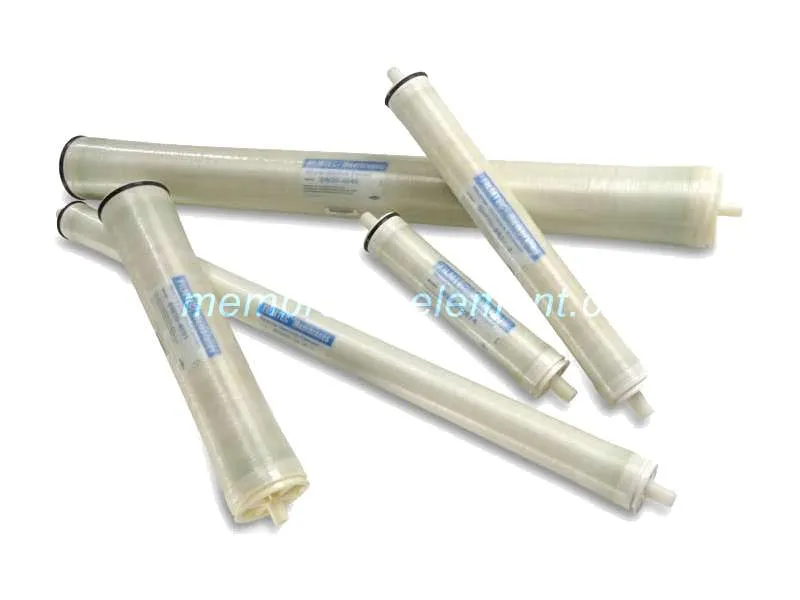
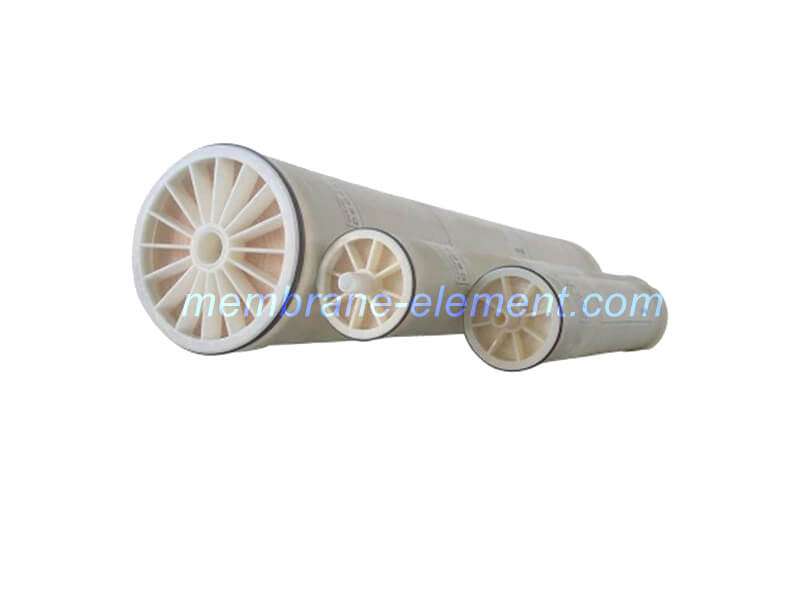
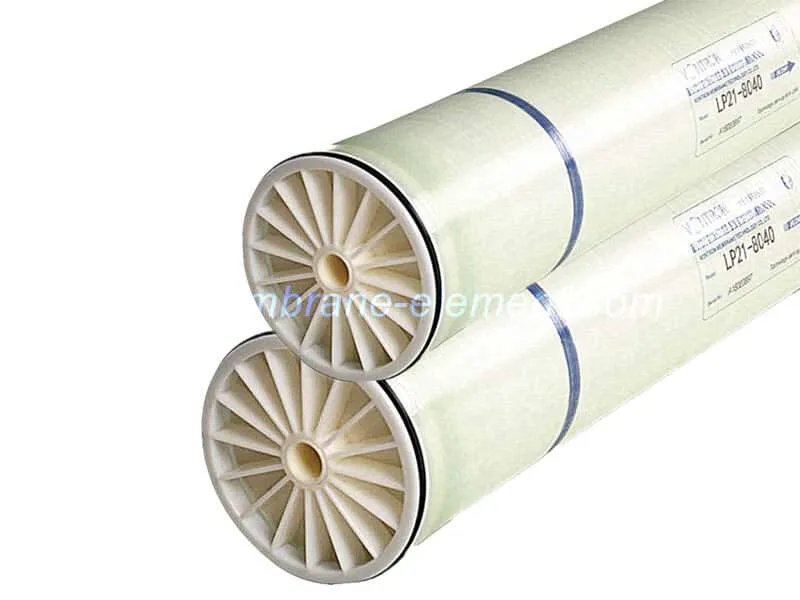
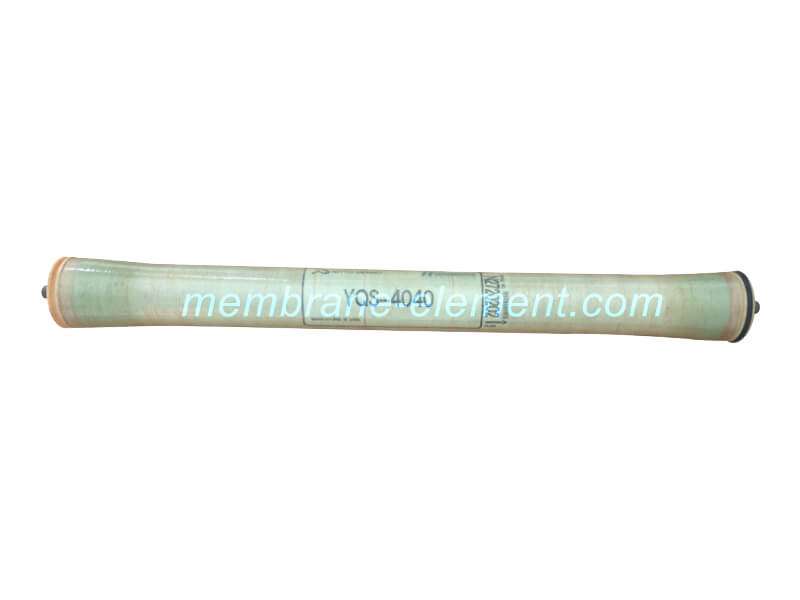
Examining the structure of RO membranes, hollow fiber, tubular, and plate-and-frame membranes hold limited market share compared with the prevalent roll-up (spiral-wound) element. Roll-up membranes — almost synonymous with reverse osmosis today — boast low pretreatment requirements, high packing density, and easy replacement, making them versatile across water treatment applications.
Aromatic polyamide composite membranes have become the market mainstream, evolving towards low-pollution, positively charged, and sodium-filter membrane variants for multi-purpose use. The working principle of an RO membrane explains why the composite skin layer delivers such high rejection at low pressure compared with the early cellulose acetate films.
- Spiral-wound — dominant; low pretreatment, high surface area per vessel.
- Hollow fiber — compact but sensitive to fouling and difficult to clean.
- Tubular — used for high-solids feeds; low packing density.
- Plate-and-frame — niche industrial applications; high cost per area.
Anti-Fouling Membrane Innovations
Hydranautics’ low-pollution membranes and Dow Chemical’s BW30-FR series revolutionized anti-pollution capability in the 2000s. These membranes exhibit robust chemical and physical resistance, enhancing resistance to organic and microbial contamination — a direct answer to the biofouling and organic fouling problems that plagued early RO installations.
The market trend leans towards low-pollution membranes, positively charged membranes, and sodium-filter membranes for multifaceted applications. Choosing a fouling-resistant element is the first step of any fouling prevention strategy: an element that resists organic and biological deposits needs fewer cleanings and lasts longer.
- Low-pollution membranes — modified surface chemistry reduces organic and biological adhesion.
- Positively charged membranes — improved rejection of multivalent cations and charged foulants.
- Sodium-filter membranes — specialized separation for specific monovalent applications.
RO Membrane Market Evolution and Dynamics
For years, Hydranautics (Nitto Denko) and Dow Chemical (FilmTec) dominated the RO membrane market, commanding about 80% of the domestic share, while other international players such as Koch, Osmonics, Trisep, and Toray held the remaining 20%. As early as 2002, domestic membrane sales volume accounted for approximately 10% of global sales, estimated at 30 million USD.
That landscape has changed dramatically. Toray, LG Chem, CSM (Toray Chemical Korea), and Vontron have grown into global suppliers; FilmTec operates under the Dupont brand; and Chinese manufacturers now produce high-quality spiral-wound elements for both domestic and export markets. The global RO membrane market has grown to a multi-billion-dollar scale, driven by seawater desalination, ultrapure water for semiconductors, and water reuse.
Applications and Supporting Products
RO membrane technology finds applications in diverse fields, ranging from the US YUMA water plant’s treatment of canal water to large-scale seawater desalination projects in the UAE, Saudi Arabia, and Spain. The global pure water production through RO exceeded 12 million tons per day in the early 2000s and has continued to expand in industrial and municipal sectors — see the advancements in membrane desalination technology for the latest developments.
The growth of the RO membrane product market is mirrored by its supporting product market. Initially dominated by foreign brands, the market has witnessed localization efforts by domestic agents and manufacturers. Products like scale inhibitors, centrifugal pumps, vane pumps, membrane pressure vessels, water softener multi-way valves, fiberglass filter barrels, and panel flowmeters have seen increased localization, resulting in improved quality and reduced prices.
Conclusion
The journey of reverse osmosis technology reflects its pivotal role in revolutionizing water treatment globally. From Nollet’s 1748 observation to today’s low-pollution spiral-wound composite membranes, the history of reverse osmosis technology is a story of steadily falling costs and rising reliability. As RO continues to advance and expand into new applications, it stands as a cornerstone for sustainable and efficient water purification.
CHIWATEC supplies Daltonen, Dupont, Toray, CSM, Nitto, LG, and Vontron RO membranes with more than ten years of export experience. Contact us at [email protected], [email protected], or [email protected] for membrane selection and technical support.
FAQ:
When was reverse osmosis technology invented?
The history of reverse osmosis technology begins with Abbé Nollet’s observation of osmosis in 1748. The practical breakthrough came in 1960, when Loeb and Sourirajan invented the asymmetric cellulose acetate membrane at UCLA, followed by the first commercial RO desalination plant in Coalinga, California, in 1965.
Who invented the RO membrane?
Loeb and Sourirajan invented the first practical asymmetric cellulose acetate RO membrane in 1960. In the 1980s, FilmTec’s FT-30 aromatic polyamide thin-film composite membrane became the industry standard that still dominates today.
Why are spiral-wound RO membranes the most common type?
Spiral-wound (roll-up) elements combine low pretreatment requirements, high packing density, easy replacement, and low manufacturing cost. Compared with hollow fiber, tubular, and plate-and-frame designs, they offer the best balance of performance and economy for most water treatment applications.
How has the RO membrane market changed since the early 2000s?
In 2002, Hydranautics (Nitto Denko) and Dow (FilmTec) commanded about 80% of the Chinese market, and domestic sales were about 10% of global volume (roughly USD 30 million). Today the market is multi-billion-dollar in scale, with Toray, LG Chem, CSM, Vontron, and Chinese manufacturers competing alongside Dupont.
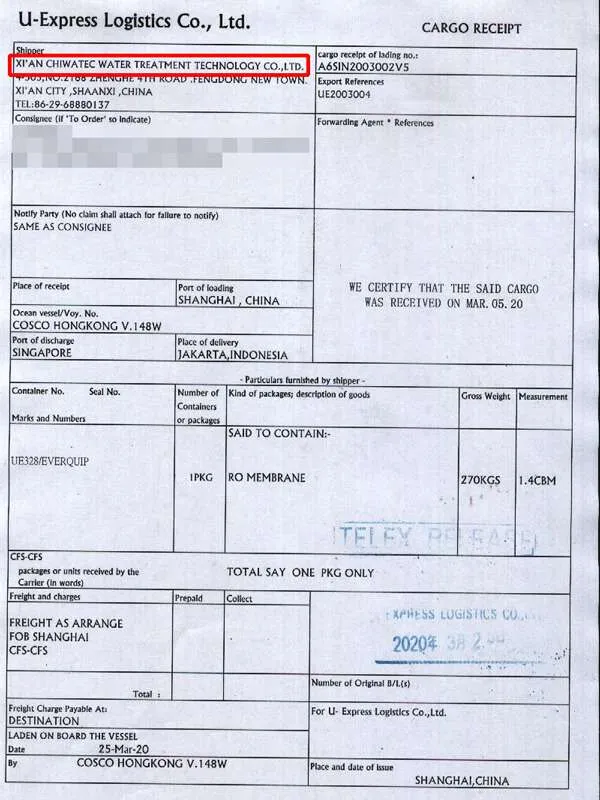
Xi’an CHIWATEC Water Treatment Technology provide the RO membrane to clients both inland and oversea with more than 10years experience. We manufacture our own brand Daltonen RO membrane and we are also the official distributor of Dupont, Toray, CSM, Nitto, LG and Vontron RO membrane. Whatever product you need, we cold meet your requirement.
Contact me for more info and best price.