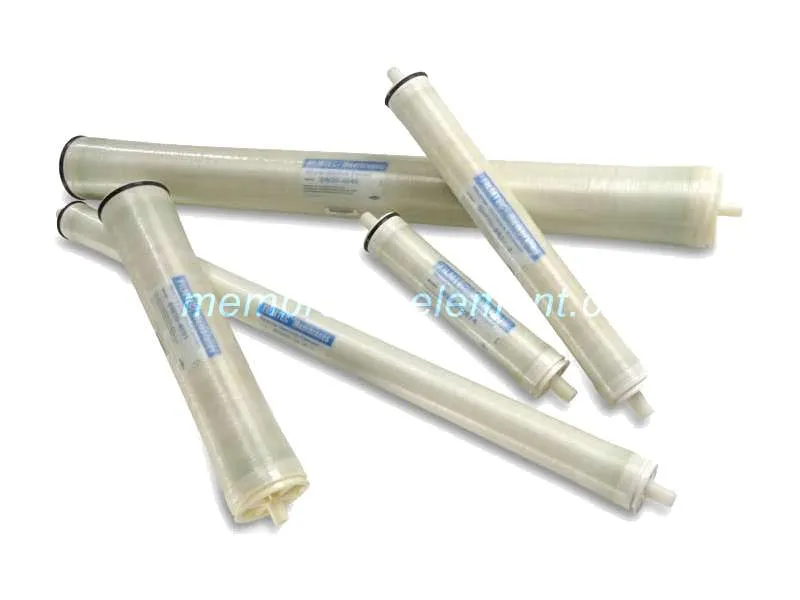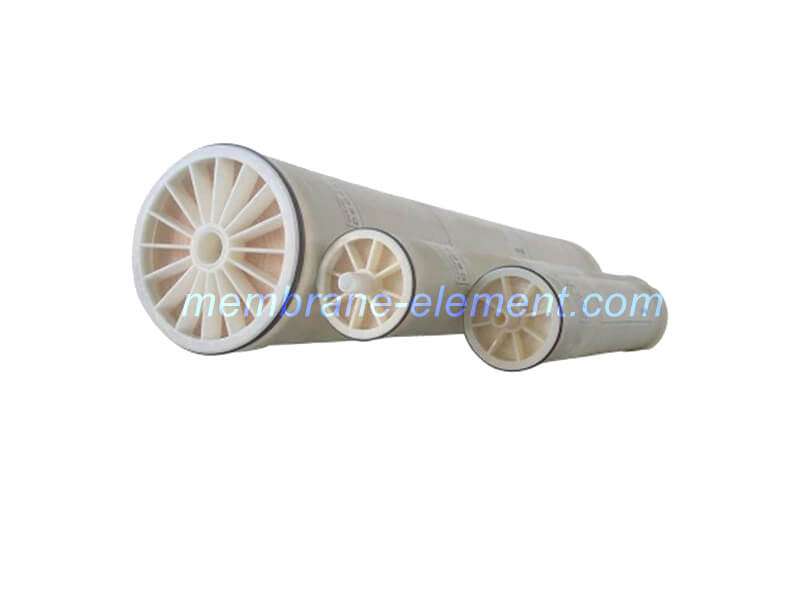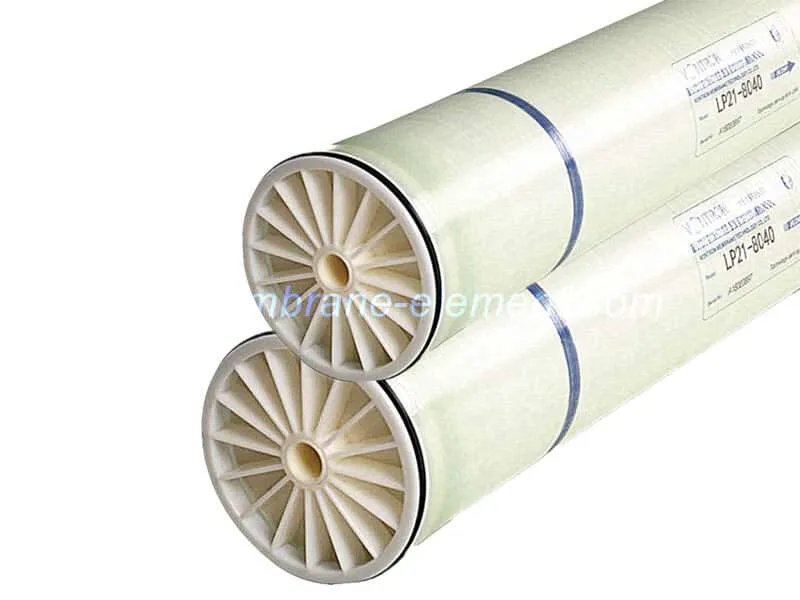
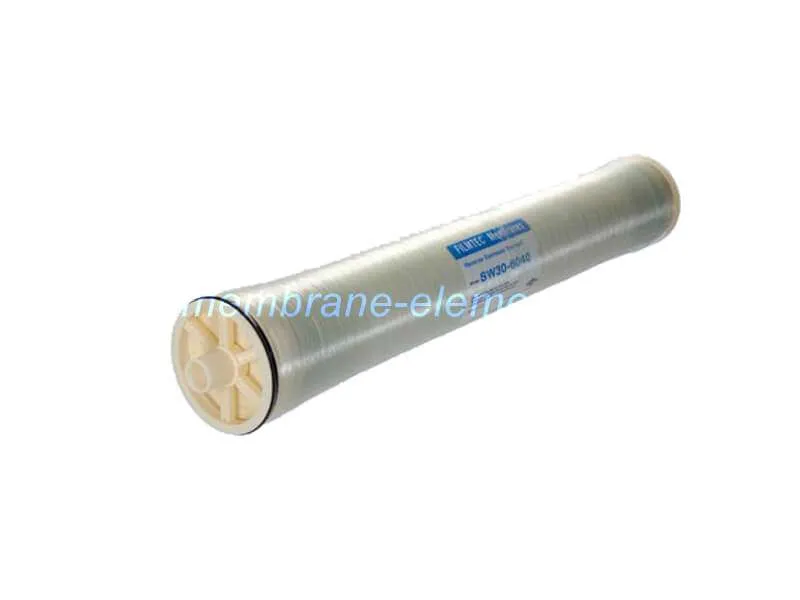
RO membrane maintenance is the difference between a system that runs for 5 years and one that needs new elements after 18 months. Effective maintenance has three pillars: identifying pollutants through performance monitoring, removing them with the right cleaning chemistry, and preventing them from returning. Tailored for reverse osmosis membrane elements with diameters ranging from 4 inches to 8.5 inches, this guide covers the maintenance routines that keep RO performance — production, rejection, and pressure drop — at design values.
RO Membrane Maintenance: The Complete Framework
RO membrane maintenance rests on three pillars that work together. Skipping one undermines the other two:
- Monitor — track normalized production, salt rejection, and differential pressure to catch fouling early.
- Clean — remove scale and organic deposits with matched cleaning agents, at safe pH, temperature, and duration.
- Prevent — sterilize, control pretreatment, and protect membranes during shutdowns so foulants never establish.
This framework applies to every element diameter — 4-inch, 6-inch, 8-inch, and 8.5-inch pressure vessels use the same maintenance logic, scaled to their flow rates. A structured RO membrane cleaning steps procedure is the execution layer of the cleaning pillar.
Identifying Pollutants: Monitoring Performance Signals
Before any cleaning, the maintenance team must know which pollutant is present. Compare current readings against the commissioning baseline:
- Normalized production drops 10–15% — typically scaling or particulate fouling on the feed side.
- Differential pressure rises 15% — flow-channel fouling, biofouling, or colloidal deposition.
- Salt passage increases — membrane damage, seal leaks, or severe concentration polarization.
These signals point to the foulant family, which determines the cleaning agent. A chemical analysis of the contaminants before cleaning is critical — the pollutant types and scaling risks determine whether an acidic, alkaline, or specialized clean is required.
Calcium Carbonate and Calcium Sulfate Scale Removal
Carbonate and sulfate scale are the most common inorganic foulants in RO systems:
- Calcium carbonate scale — early detection. Detect and address precipitation promptly to prevent membrane surface damage. Lower the feed pH to 3.0–5.0 for 1–2 hours; for prolonged scale, utilize RT-818A cleaning solution for circulation or overnight soaking.
- Calcium sulfate scale. Implement RT-818B cleaning agent for effective elimination; sulfate scale responds poorly to simple pH reduction.
pH safety caution: ensure the cleaning solution’s pH stays above 2.0 and below 11.0. Consider ammonia for pH increase and sulfuric acid or hydrochloric acid for pH reduction — extreme pH values damage the polyamide skin layer irreversibly.
Metal Oxide, Silica, and Organic Deposit Removal
Beyond carbonate and sulfate, three foulant families need specialized treatment:
- Metal oxide scale. Employ methods similar to calcium carbonate removal to eliminate deposited hydroxides such as ferric hydroxide — low-pH acidic cleaning dissolves iron and manganese oxides.
- Silica scale. For amorphous silica scales, employ company-recommended specialized cleaning methods; standard acid or alkali cleaners are not effective against polymeric silica.
- Organic deposits. Utilize RT-818C cleaning agent for removing organic deposits like microbial slime or mildew, then circulate an approved sterilizing solution to prevent reproduction — especially during extended shutdowns.
Organic and biological fouling is the target of the fouling prevention strategies covered in our prevention guide — removal treats the symptom, prevention stops the cause.
Safe Cleaning Limits: pH, Temperature, Duration, and Chemical Rules
Three manufacturer notes define the safe operating envelope for every RO membrane maintenance cleaning:
- Note 1 — no free chlorine. Avoid contact between free chlorine and composite membrane elements; it causes irreversible damage. Rigorous sterilization and laboratory-tested confirmation are required, with acid solutions used for neutralization before cleaning.
- Note 2 — consult field service during the warranty period. Periodic membrane cleaning under professional oversight protects both performance and warranty validity.
- Note 3 — no cationic surfactants. Cationic surfactants cause irreversible membrane contamination; use only approved cleaning chemistries.
Operational limits for all cleaning cycles:
- pH — keep the cleaning solution between 2.0 and 11.0.
- Temperature — conduct all cleaning at or below 40 °C.
- Duration — maximum 60 minutes per circulation cycle.
- Pressure and flow — circulate on the high-pressure side at low pressure and large flow rate; specialized cleaning devices are recommended while the element remains installed in the pressure vessel.
For the full selection logic behind each cleaner, see our RO membrane cleaning agent selection guide.
Preventive Maintenance: Sterilization and Shutdown Care
The third pillar of RO membrane maintenance prevents foulants from returning after cleaning:
- Sterilization. Circulate an approved sterilizing solution to prevent the reproduction of microorganisms — the root cause of recurring biofouling.
- Shutdown care. For extended outages, treat the system for mildew and biological growth before storage, and keep elements wet.
- Pretreatment discipline. Maintain SDI15 below 5 (ideally below 3) so the membrane never sees heavy foulant loads.
- Record keeping. Document cleaning methods and results; compare them across cycles to optimize the maintenance interval.
Combined with back pressure avoidance and desalination rate tracking, these habits extend element life by years.
Conclusion
Effectively managing common pollutants in reverse osmosis membranes is vital for ensuring sustained performance. By making RO membrane maintenance a routine — monitor performance, remove foulants with matched RT-818 cleaners at safe pH and temperature, and prevent recurrence through sterilization and shutdown care — industries can optimize RO systems and enhance water purification efficiency.
CHIWATEC supplies Daltonen, Dupont, Toray, CSM, Nitto, LG, and Vontron RO membranes with more than ten years of export experience. Contact us at [email protected], [email protected], or [email protected] for maintenance support and membrane selection.
FAQ:
What is included in routine RO membrane maintenance?
Routine RO membrane maintenance has three pillars: monitoring (track production, salt rejection, and pressure drop against baseline), cleaning (remove foulants with matched agents at safe pH, temperature, and duration), and prevention (sterilization, pretreatment control, and shutdown care).
What is the safe pH range for RO membrane cleaning?
Keep the cleaning solution pH between 2.0 and 11.0. For early calcium carbonate scale, lower the feed pH to 3.0–5.0 for 1–2 hours. Use ammonia to raise pH and sulfuric or hydrochloric acid to lower it, always within the safe range.
How do I know which RT-818 cleaner to use?
Follow the RT-818 application guide: RT-818A for inorganic contaminants such as calcium carbonate scale, RT-818B for calcium sulfate and organic matter, and RT-818C for severe organic contamination. Always confirm with a chemical analysis of the foulant before cleaning.
How should RO membranes be maintained during long shutdowns?
Circulate an approved sterilizing solution to prevent microorganism reproduction, treat against mildew for extended outages, keep elements wet, and avoid any free chlorine contact. For shutdowns beyond a few days, consider a preserving solution soak.
Xi’an CHIWATEC Water Treatment Technology provide the RO membrane to clients both inland and oversea with more than 10years experience. We manufacture our own brand Daltonen RO membrane and we are also the official distributor of Dupont, Toray, CSM, Nitto, LG and Vontron RO membrane. Whatever product you need, we cold meet your requirement.
Contact me for more info and best price.