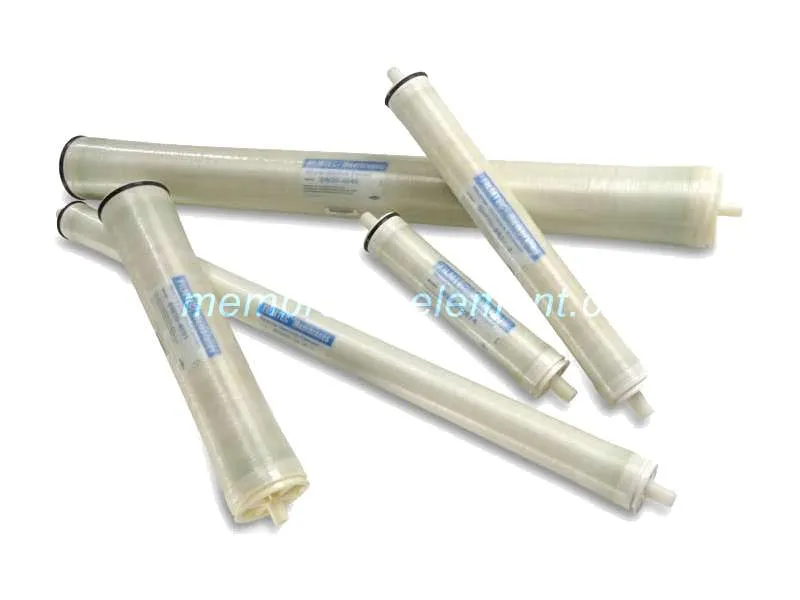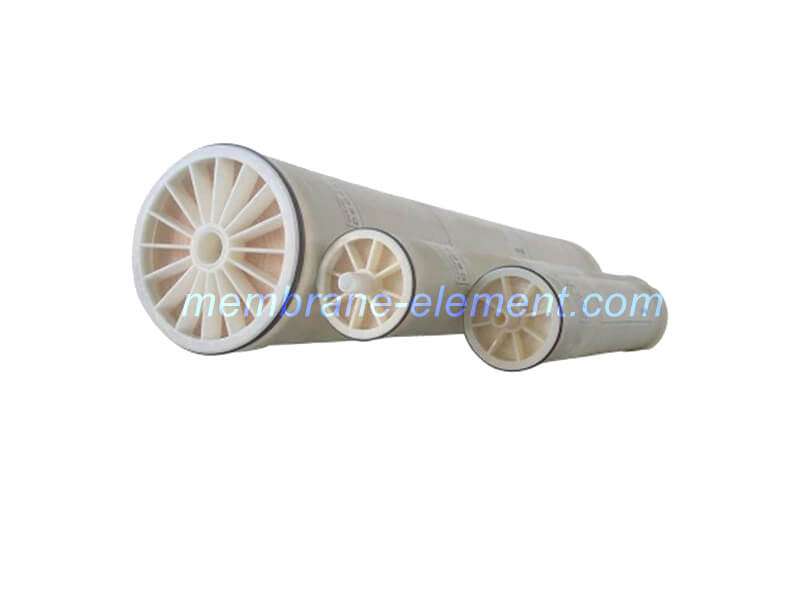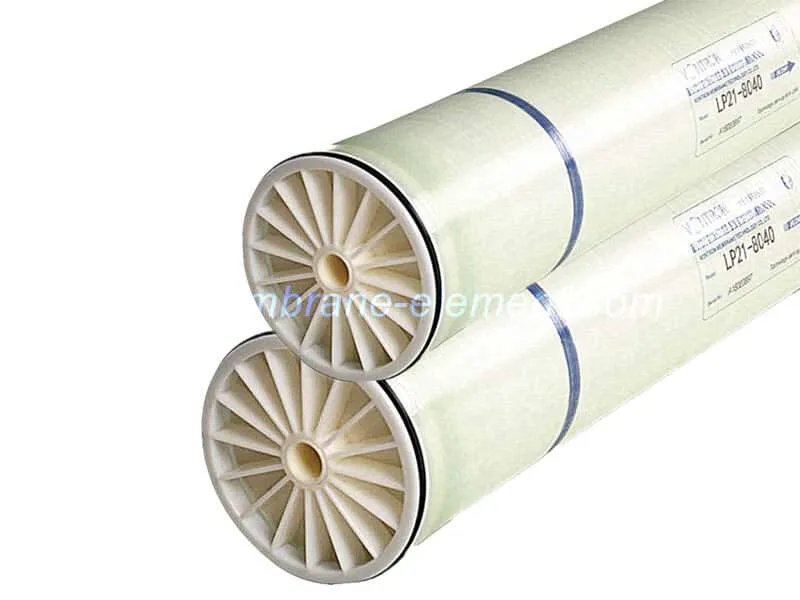
Nanofiltration membrane replacement is the point where many RO-trained operators get confused: NF elements look like RO elements, but the replacement rules are different. When upgrading old-style NF elements to the NF90-400, NF270-400, and NF200-400 series, you need the right coupling size, the right vessel configuration, and the right model for your water chemistry. This guide covers nanofiltration membrane replacement step by step, plus the related questions of silicon removal, pH effects, and storage standards that come up in the same upgrade project.
Nanofiltration Membrane Replacement: When and Why Upgrade NF Elements
Nanofiltration membrane replacement usually happens for one of three reasons: the old NF element series is discontinued, the separation target has changed, or the system is being upgraded to newer membrane chemistry. NF elements sit between RO and ultrafiltration — they reject divalent ions and larger organics while passing more monovalent salts, at lower operating pressure than RO.
- Discontinued series — old models such as NF70-400 are no longer manufactured; replacement requires choosing a current equivalent.
- Changed water chemistry — hardness removal targets may call for a higher- or lower-rejection NF model.
- System upgrades — new elements deliver better flux and fouling resistance than the original designs.
The working principle of membrane separation applies to NF as well — nanofiltration membranes are the same spiral-wound family, tuned for lower pressure and divalent selectivity.
NF90-400, NF270-400, and NF200-400: Choosing the Replacement Model
Nanofiltration membrane replacement decisions depend on the separation target. The NF70-400 component has been modified, and the replacement model depends on the separation target:
- NF90-400 — if you need a similar desalination rate to the NF70-400, replace it with NF90-400.
- NF270-400 — for increased hardness removal and more salt passage, choose NF270-400.
The three current 400-series elements cover the NF spectrum:
| Model | Rejection Profile | Typical Use |
| NF90-400 | Highest rejection of the NF series | Hardness removal, color removal, replacing NF70-400 |
| NF200-400 | Mid-range selectivity | Divalent/monovalent separation |
| NF270-400 | Lower salt rejection, high flux | Softening with higher salt passage tolerance |
Verify the full specification against your feed water analysis before ordering — the feed water requirements determine which rejection level the system actually needs.
Replacing Old-Style NF Elements: Couplings and Vessel Configuration
When performing nanofiltration membrane replacement, you can place all old components in the same pressure vessel. If you prefer to replace only one old component, order a component coupling sized between 1.125 and 1.5 inches. For precise dimensions, contact your local membrane supplier’s representative.
- Full-vessel replacement — mixing old and new elements in one vessel is possible, but for predictable performance replace the full train.
- Single-element replacement — the 1.125–1.5 inch coupling adapts the old interconnector geometry to the new element’s connector.
- Check the brine seal and O-rings — new elements ship with fresh seals; replace any worn components at the same time.
This installation work is part of the routine described in our RO membrane maintenance guide — the same flush, test, and record discipline applies to NF trains.
Silicon Removal Methods: Active vs Colloidal Silica
Silicon in water can be found in two forms: active silicon (monomeric) and colloidal silicon (polymeric). Each needs a different removal strategy:
| Silica Form | Characteristics | Effective Removal | Less Effective |
| Colloidal silicon | Large, no ionic character | RO, fine physical filtration, coagulation and clarification | Ion exchange resin, continuous electrodeionization (CDI) |
| Active silicon | Small, monomeric | RO, ion exchange, CDI | Coagulation, clarification, flotation |
For the full picture — including silica scaling prevention and boiler feed water risks — see our silica removal in RO water treatment guide.
pH Effects on Removal Rate, Production, and Membrane Life
The Dow FILMTEC membrane element is designed with a unique fully aromatic high cross-linking desalination layer, providing robust performance across a pH range of 2 to 11. While pH has minimal impact on the membrane’s own performance, it significantly affects the ion characteristics in water. For instance, weak acids like citric acid remain non-ionic at low pH but dissociate at high pH, affecting their removal efficiency — higher ionization leads to better removal by the membrane.
- pH 2–11 operating window — the membrane itself is stable across this range.
- Weak acid and weak base removal — removal follows dissociation: ionized species are rejected, uncharged species pass.
- Cleaning pH — the same 2–11 window applies to cleaning solutions; stay inside it to protect the skin layer.
The same chemistry explains why RO product water pH shifts relative to the feed — the carbonate balance moves with pH and dissociation.
Handling, Storage, and Packaging Standards
Correct handling starts at the box:
- Sunlight — membrane elements should not be exposed to direct sunlight, even in their original packaging. Store them indoors, away from windows or other sources of prolonged sunlight; the ambient temperature should not exceed 45 °C.
- 8-inch packaging — packaged in a corrugated carton (10 × 10 × 44.5 inches), enclosed in two layers of polyethylene bags, protected with two polystyrene end covers; wet components include less than 250 mL of protective fluid in the sealed bag.
- 4-inch packaging — each component is individually packed in a plastic bag; bags are placed in a large carton holding up to 70 units. No separate corrugated cartons are used, promoting environmental sustainability.
Storage conditions are part of the maintenance discipline covered in our fouling prevention guide — protect the elements before installation and they will perform from day one.
Conclusion
Nanofiltration membrane replacement is straightforward once the model decision is made: NF90-400 for similar rejection, NF270-400 for more hardness removal and salt passage, and the right coupling for single-element swaps. Pair the upgrade with the correct silicon removal strategy, stay inside the pH 2–11 window, and store the new elements per the packaging standards, and the NF train will deliver years of service.
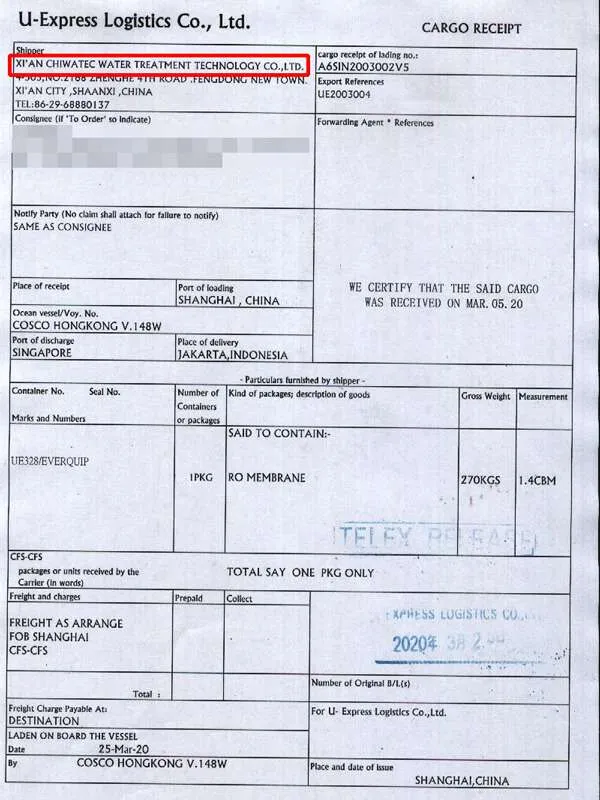
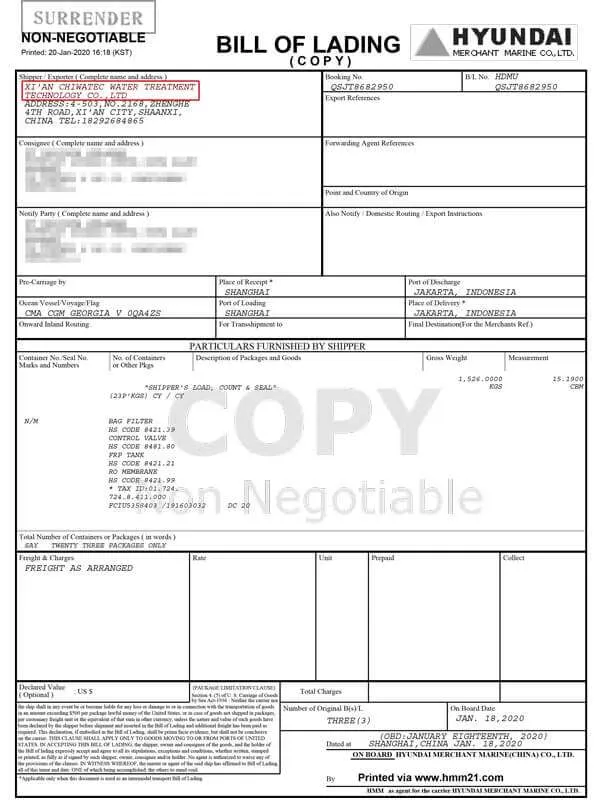
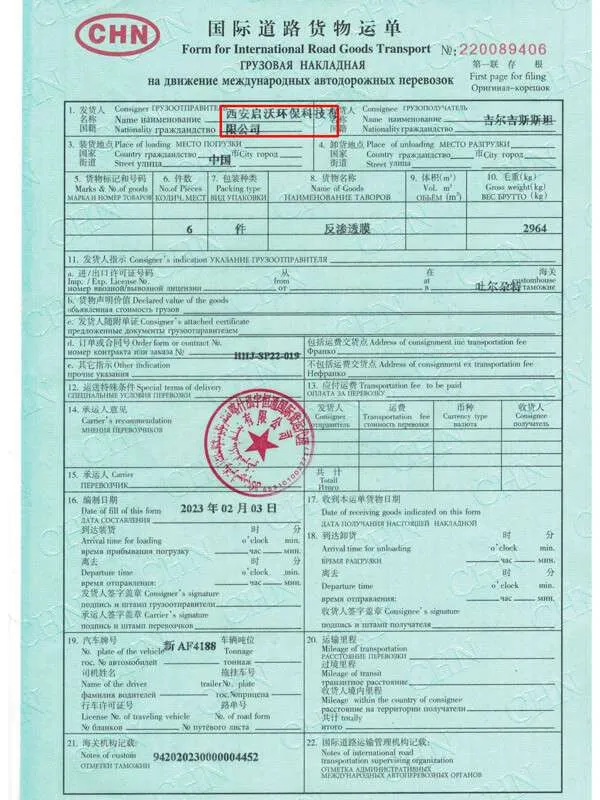
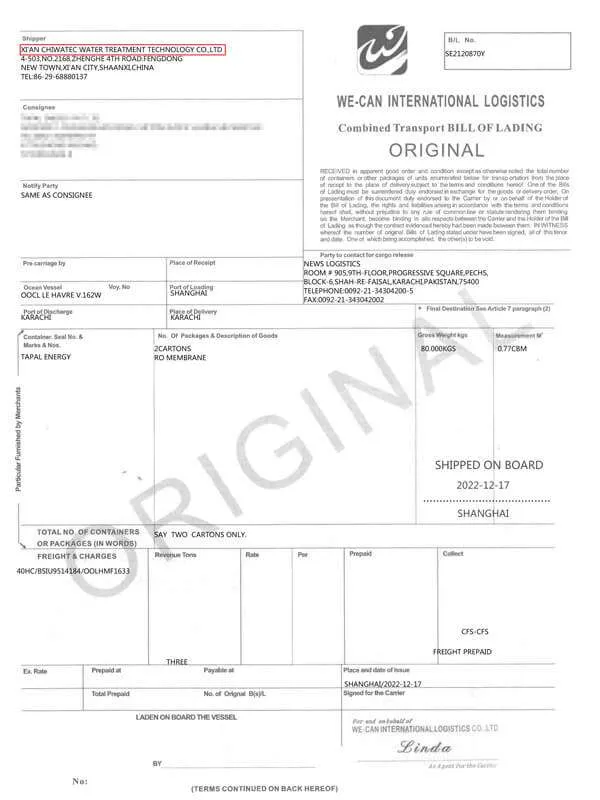
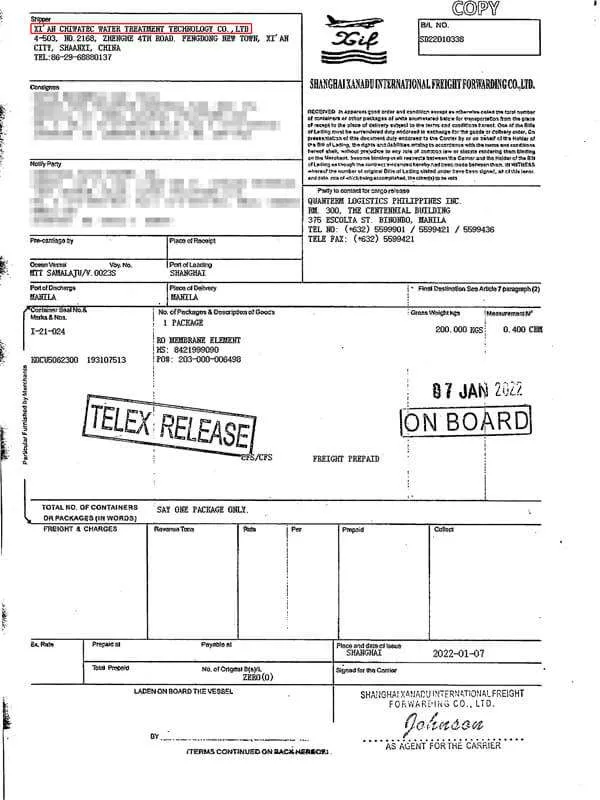
CHIWATEC supplies Daltonen, Dupont, Toray, CSM, Nitto, LG, and Vontron RO membranes — and NF elements — with more than ten years of export experience. Contact us at [email protected], [email protected], or [email protected] for NF replacement guidance and membrane selection.
FAQ:
Which NF membrane should replace the NF70-400?
If you need a similar desalination rate to the NF70-400, replace it with NF90-400. For increased hardness removal and more salt passage, choose NF270-400. NF200-400 covers mid-range selectivity for divalent/monovalent separation.
How do I replace new NF elements in a system using old-style elements?
For nanofiltration membrane replacement in an old-style system, you can place all old components in the same pressure vessel. If replacing only one old component, order a component coupling sized between 1.125 and 1.5 inches; contact your local membrane supplier for precise dimensions.
How is silicon removed from water?
Colloidal silicon is removed by RO, fine physical filtration, or coagulation and clarification, while ion exchange and CDI are less effective. Active silicon is removed by RO, ion exchange, and CDI, but resists coagulation, clarification, and flotation.
Can membrane elements be exposed to sunlight?
No. Keep elements out of direct sunlight, even in their original packaging, and store them indoors away from windows. The ambient storage temperature should not exceed 45 °C.
Xi’an CHIWATEC Water Treatment Technology provide the RO membrane to clients both inland and oversea with more than 10years experience. We manufacture our own brand Daltonen RO membrane and we are also the official distributor of Dupont, Toray, CSM, Nitto, LG and Vontron RO membrane. Whatever product you need, we cold meet your requirement.
Contact me for more info and best price.