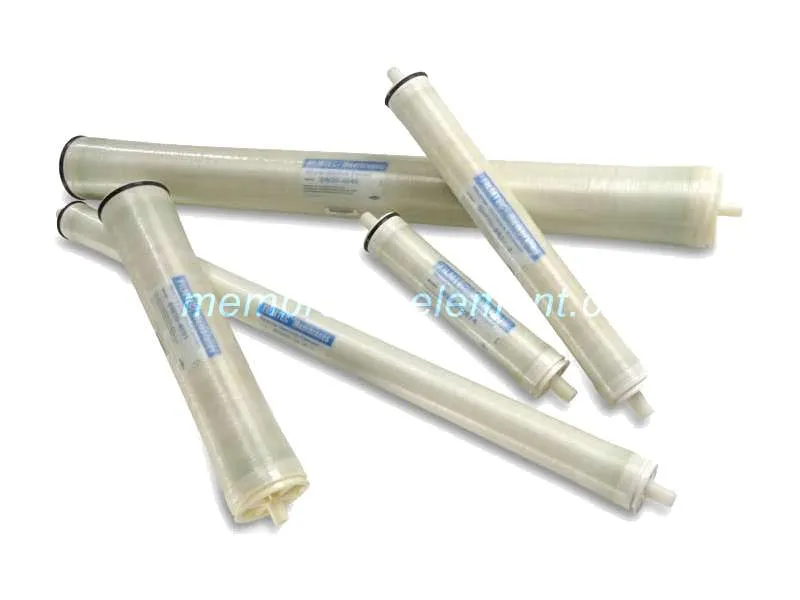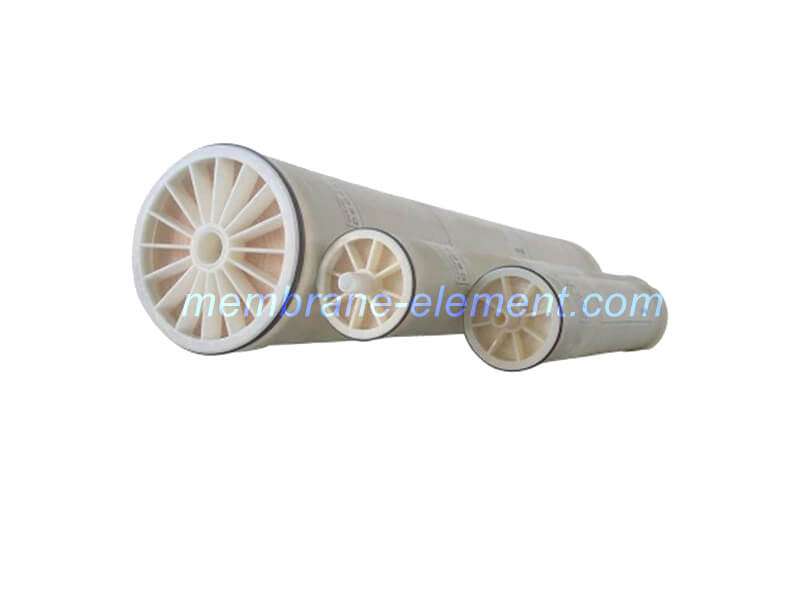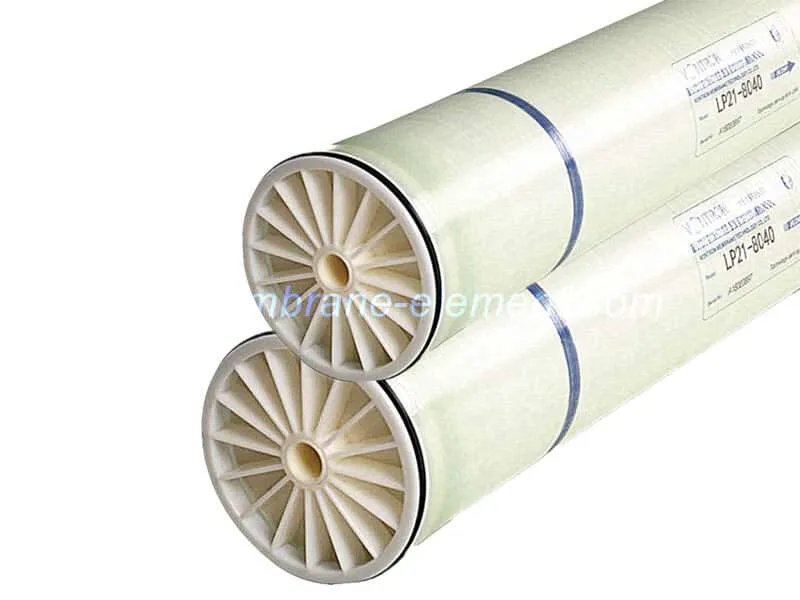

Nanofiltration membrane technology sits between ultrafiltration and reverse osmosis, rejecting multivalent ions and larger organic molecules while letting monovalent salts pass through. Nanofiltration (NF) membranes have pore sizes at the nanometer level, designed to target dissolved components with molecular weights from 200 to 1000 Daltons, and they operate at lower pressure than RO — which is why NF is often called low-pressure reverse osmosis. Since its inception in the 1970s, nanofiltration membrane technology has developed into one of the most versatile tools in water treatment: it softens water, removes heavy metals, recovers valuable products from industrial streams, and treats complex wastewaters that simpler processes cannot handle. This guide explains the principles, characteristics, and real-world applications of NF membranes. For the broader separation physics that NF builds on, see our membrane separation principle guide.
1. Principles of Nanofiltration Membrane Technology
Nanofiltration membrane technology separates components based on molecular size and weight through the selective permeability of the membrane. An NF membrane is a pressure-driven barrier: water and small molecules pass through the membrane pores, while larger dissolved species are retained. The distinguishing feature of NF is its charge-based selectivity. NF membranes typically carry a surface charge, so they reject multivalent ions such as calcium, magnesium, and sulfate strongly, while monovalent ions such as sodium and chloride pass through with the permeate. This combination of size exclusion and electrostatic repulsion is what makes NF a hybrid between ultrafiltration, which separates by size alone, and reverse osmosis, which rejects essentially all dissolved salts.
2. Key Characteristics of NF Membranes
Three characteristics define how nanofiltration membrane technology performs in practice. First, operating pressure: NF runs at a transmembrane pressure of 0.5 to 2.0 MPa, lower than reverse osmosis, which cuts pumping energy and makes NF a cost-effective choice for many applications. Second, separation mechanism: NF selectively rejects multivalent ions and larger organic molecules while allowing monovalent ions and small organic compounds to pass — the property that positions NF between ultrafiltration and reverse osmosis. Third, durability and efficiency: NF membranes resist high temperatures and a wide range of pH conditions, deliver high flux rates, and carry lower operational costs than RO. These three properties together explain why NF is specified for softening, metal removal, and selective separation rather than for full desalination.
| Property | NF | UF | RO |
| Pore / rejection target | 200–1000 Da molecules | Colloids, macromolecules | Nearly all dissolved salts |
| Operating pressure | 0.5–2.0 MPa | 0.1–0.5 MPa | 1.5–7.0 MPa |
| Monovalent salt passage | Passes | Passes | Rejected |
| Multivalent ion rejection | High | Low | Very high |
The comparison above shows where NF fits in the membrane spectrum — a selective separation step that removes hardness and heavy metals without the energy cost of full reverse osmosis.
3. NF in Daily Chemical Wastewater Treatment
Nanofiltration membrane technology is applied to daily chemical wastewater with excellent results because NF membranes resist acids and alkalis while rejecting heavy metals and organic pollutants. NF achieves over 90% removal efficiency for organic small molecules in this stream, and the same acid-alkali tolerance that protects the membrane in aggressive chemical environments also extends its service life. For chemical manufacturers, NF provides a single-step treatment that recovers reusable water and concentrates the pollutants for disposal, reducing both discharge volume and treatment cost.
4. NF in Petroleum and Pesticide Wastewater Treatment
In the petroleum sector, NF effectively separates oil-rich and oil-free phases from complex wastewater, enhancing oil recovery while reducing pollution and membrane fouling — particularly when combined with reverse osmosis in a two-stage treatment train. In pesticide wastewater, nanofiltration membrane technology excels at removing low-molecular-weight organic pesticides, achieving rejection rates over 96.7% for various pesticide compounds. This provides a reliable method for treating contaminated agricultural runoff and manufacturing effluent, where conventional biological treatment alone cannot meet discharge limits because many pesticides resist biodegradation.
5. NF in Dye Recovery and Textile Wastewater
Textile processing is one of the clearest economic cases for nanofiltration membrane technology. In chemical fiber and dyeing wastewater, NF recovers dyes from the wastewater stream, significantly reducing the loss of valuable dyes while achieving over 98% rejection of inorganic salts. The recovered dye can be returned to the dye bath, and the purified permeate can be reused in the process — turning a treatment cost into a resource recovery operation. This dual benefit, coupled with the high flux of NF membranes, makes the payback period for textile NF installations short compared with conventional chemical coagulation and sludge disposal.
6. NF in Domestic Sewage and Power Plant Wastewater
Integrating NF systems with conventional biodegradation processes enhances organic removal while minimizing oxidant usage, improving overall treatment efficiency and reducing residual waste in domestic sewage treatment. In thermal power plants, nanofiltration membrane technology treats secondary wastewater for reuse, significantly reducing the load on municipal water supplies and saving operational costs. Power plants are among the largest industrial water users, and NF-based recycling allows cooling tower makeup and boiler feed water to be recovered from in-plant wastewater streams, reducing fresh water intake and discharge simultaneously.
7. NF in Acid Recovery and Papermaking Wastewater
In steel manufacturing, NF membranes recycle sulfuric acid and ferrous sulfate from pickling waste liquids, facilitating resource recovery while minimizing environmental impact — the acid returns to the pickling line and the iron salt becomes a marketable byproduct. In papermaking, nanofiltration membrane technology effectively removes dark lignin from wastewater, proving superior to traditional chemical treatment and enhancing effluent quality. Lignin removal by NF not only decolorizes the wastewater but also recovers a material with commercial value, turning one of the pulp industry’s most difficult waste streams into a revenue source.
8. Choosing NF Membranes and Maintenance Considerations
Selecting the right NF element depends on the rejection profile required by the application: hardness removal needs high divalent rejection, dye recovery needs tight organic retention with salt passage, and acid recovery needs a membrane that survives low pH. Operating NF below the rated flux reduces fouling, and periodic cleaning with the same foulant-matched logic used for RO membranes restores performance. Because nanofiltration membrane technology shares polyamide chemistry with RO, the same rules apply: dechlorinate the feed, stay inside the pH range, and clean on performance data rather than a calendar. When NF elements do need replacing, the upgrade path and coupling sizes are covered in our nanofiltration membrane replacement guide, and the evaluation indices used to judge NF performance mirror those explained in our RO membrane evaluation indices guide.
Conclusion
Nanofiltration membrane technology is one of the most versatile tools in modern water treatment and resource recovery. Its selective rejection — multivalent ions and larger organics out, monovalent salts and water through — delivers softening, heavy metal removal, dye recovery, acid recycling, and wastewater polishing at lower pressure and lower cost than reverse osmosis. From daily chemical wastewater to papermaking effluent, the eight application areas in this guide share one pattern: NF adds value by separating what should be recovered from what can be reused. As research and development continue, NF is set to play an increasingly vital role in addressing global water challenges. For help selecting NF or RO membranes for your application, contact us at [email protected] or [email protected].
FAQ:
What is the difference between nanofiltration and reverse osmosis?
NF operates at lower pressure (0.5–2.0 MPa vs 1.5–7.0 MPa for RO) and is selective rather than total: it rejects multivalent ions and molecules of 200–1000 Daltons while letting monovalent salts pass, whereas RO rejects nearly all dissolved salts. NF is therefore used for softening and selective separation, while RO is used for full desalination.
What does an NF membrane remove?
NF membranes remove multivalent ions (calcium, magnesium, sulfate, heavy metals) and larger organic molecules with molecular weights from 200 to 1000 Daltons. They allow monovalent ions such as sodium and chloride and small organic compounds to pass through, which is the basis of selective applications like water softening and dye recovery.
How much pressure does nanofiltration need?
NF operates at a transmembrane pressure of 0.5 to 2.0 MPa, significantly lower than reverse osmosis. This lower pressure reduces pumping energy and operating cost, making NF economical for applications such as hardness removal where full RO rejection is unnecessary.
Can nanofiltration treat industrial wastewater?
Yes. NF treats daily chemical, petroleum, pesticide, textile dyeing, domestic sewage, power plant, pickling, and papermaking wastewater. Reported results include over 90% organic removal in chemical wastewater, over 96.7% pesticide rejection, and over 98% inorganic salt rejection in dye recovery applications.
Xi’an CHIWATEC Water Treatment Technology provide the RO membrane to clients both inland and oversea with more than 10years experience. We manufacture our own brand Daltonen RO membrane and we are also the official distributor of Dupont, Toray, CSM, Nitto, LG and Vontron RO membrane. Whatever product you need, we cold meet your requirement.
Contact me for more info and best price.