
Industrial RO water treatment equipment must deliver consistent, high-purity water at scale — and the LT-W30 two-stage reverse osmosis system is designed for exactly that. Producing 30 m³/hour (30T/H), it removes heavy metals, calcium, magnesium, chloride and dissolved solids, supplying ultrapure water for electronics, electroplating, chemical and manufacturing industries.
This guide covers the industrial RO water treatment equipment specification, technical configuration, applicable industries, the reverse osmosis working principle, and the design choices — including two-stage configuration and pretreatment — that protect membrane performance and service life.
Industrial RO Water Treatment Equipment: The 30T/H LT-W30 System
The LT-W30 30 tons per hour reverse osmosis pure water equipment is a high-efficiency water purification system engineered for industrial and commercial applications. It provides a stable, continuous supply of ultrapure water that meets the strict requirements of various industries, including electronics, chemical processing, electroplating and surface coating.
This system can effectively remove heavy metal ions, calcium, magnesium, chloride and organic compounds, ensuring the treated water meets ultrapure water standards. Key specifications are summarized below:
| Parameter | Specification |
| Production capacity | 30 m³/hr (30 tons/hour) |
| System type | Two-stage reverse osmosis |
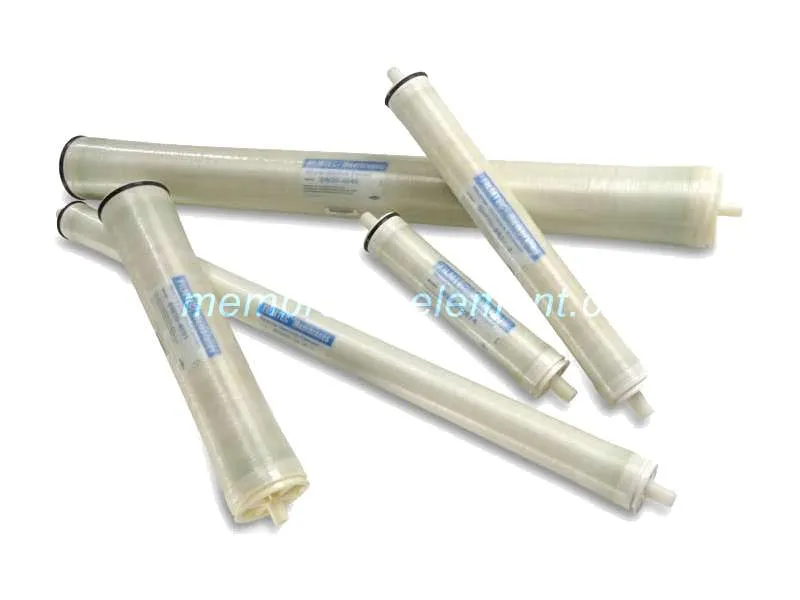
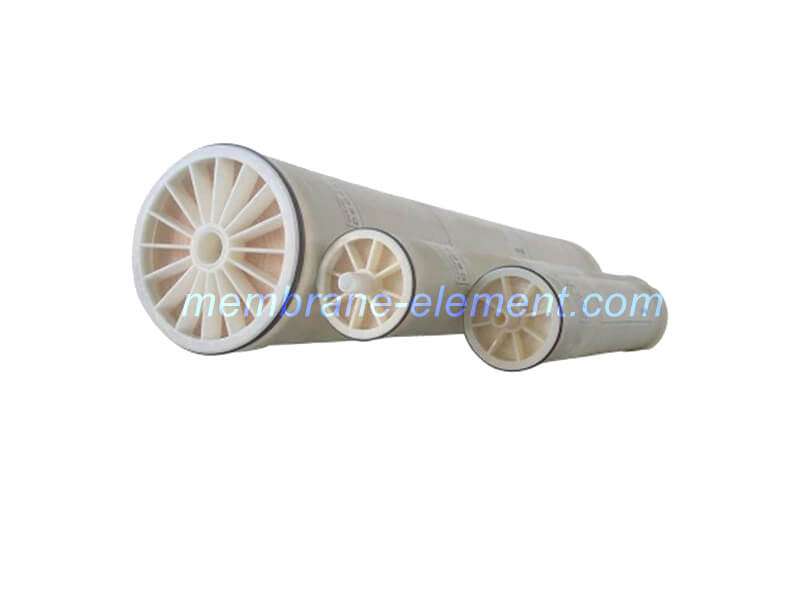
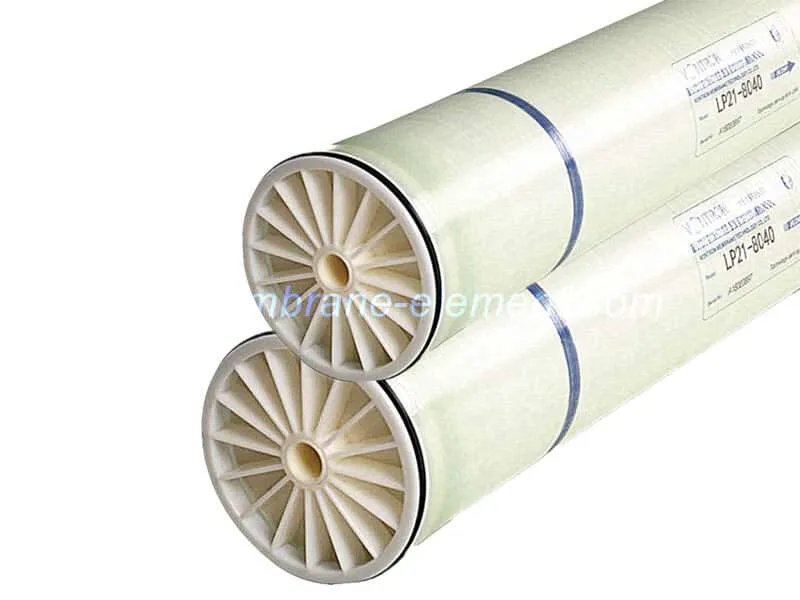
| RO membrane options | DOW Filmtec, Hydranautics, GE Osmonics, Fluid Systems, Saehan or domestic |
| Membrane housing | FRP or stainless steel |
| High-pressure pumps | Grundfos, Wilo, ITT or Hangzhou South |
| Control instruments | Imported or domestic, intelligent monitoring |
| Applicable water sources | Tap water, groundwater, industrial process water |
For a comparison with smaller systems, see our domestic water treatment equipment guide.
Technical Configuration and Component Options
The industrial RO water treatment equipment is built from configurable components so the system matches the feed water and the purity target:
- Production capacity: 30 m³/hr (30 tons/hour)
- RO membrane options: DOW Filmtec, Hydranautics, GE Osmonics, Fluid Systems, Saehan, or high-quality domestic membranes
- Membrane housing: available in FRP or stainless steel
- High-pressure pumps: options include Grundfos, Wilo, ITT and Hangzhou South
- Control instruments: imported or domestic brands with intelligent monitoring
- Applicable water sources: tap water, groundwater, or process water from industrial plants
Feed water quality sets the pretreatment and membrane selection — the requirements are detailed in our RO membrane feed water requirements guide.
Applicable Industries for the 30T/H System
The LT-W30 industrial RO water treatment equipment is widely used in:
- Electrophoresis and electroplating industries — consistent ion-free rinse water
- Electronics and semiconductor manufacturing — wafer cleaning and solution preparation
- Chemical and pharmaceutical production — purity control in formulations
- Surface finishing and painting — preventing defects caused by impurities
Each industry applies its own water quality limits; the evaluation indices used to confirm RO performance are covered in our RO membrane evaluation indices guide.
How Reverse Osmosis Works
Reverse Osmosis (RO) is a membrane-based water treatment process that uses pressure to force water through a semi-permeable membrane, effectively separating contaminants and dissolved ions.
The pore size of an RO membrane is as small as 0.0001 microns, allowing only water molecules and certain beneficial ions to pass through while blocking bacteria, viruses, heavy metals and organic pollutants.
This principle is used not only in industrial ultrapure water production but also in seawater desalination and space waste-water recycling — earning the RO membrane the nickname “artificial kidney.”
Under natural conditions, water moves from low concentration (pure water) to high concentration (salty water) through a semi-permeable membrane — this is called osmosis. By applying external pressure greater than the natural osmotic pressure, the flow direction reverses: water molecules move from the high-concentration side to the low-concentration side, leaving behind salts and impurities. The result is high-purity water separated from contaminants.
For the full working principle and membrane structure, see our how does RO membrane work guide and the membrane separation principle guide.
Two-Stage RO Design: Why It Delivers Higher Purity
A two-stage RO system offers higher purification efficiency by processing the permeate of the first stage through a second RO membrane set, achieving lower conductivity and higher purity than a single-stage design. This matters for the industries the LT-W30 serves:
- Electronics and semiconductor rinse water requires very low conductivity, often below 10 µS/cm
- Electroplating rinse water must be free of ions that cause plating defects
- Chemical and pharmaceutical formulations need consistent water quality batch after batch
The two-stage arrangement also increases overall recovery by re-processing concentrate from the second stage, while the brine from the first stage is discharged or recycled depending on the plant design.
Pretreatment and Membrane Longevity
The lifespan of RO membranes in this equipment class depends directly on feed water quality and maintenance. Typically, RO membranes last 2–3 years, depending on feed water quality and maintenance frequency — regular cleaning and pre-filtration significantly extend membrane lifespan.
When the system treats groundwater with high hardness, combine it with a pretreatment system (sand filter, carbon filter, softener) to remove hardness and prevent scaling on the RO membrane.
- Sand filtration removes suspended solids and colloidal matter
- Activated carbon removes chlorine and organic compounds
- Softener removes hardness to protect the membrane from scaling
Cleaning and maintenance procedures for the membrane are covered in our RO membrane pollutant cleaning guide and the cleaning parameters guide.
Conclusion
The LT-W30 two-stage reverse osmosis pure water system provides reliable, energy-efficient and high-capacity water purification for industrial applications. With flexible configuration options, premium components and advanced membrane technology, it guarantees stable water quality that meets the demanding standards of modern manufacturing. Whether for electronics, plating or chemical industries, this equipment ensures consistent performance, low maintenance and long service life.
For professional solutions, RO membranes and technical support, contact us:
FAQ: Industrial RO Water Treatment Equipment
Q1: What industries can benefit from the 30T/H RO water treatment system?
This system is ideal for electronics, electroplating, chemical, semiconductor, pharmaceutical and food and beverage industries that require high-purity water for production.
Q2: How often should the RO membranes be replaced?
Typically, RO membranes last 2–3 years, depending on feed water quality and maintenance frequency. Regular cleaning and pre-filtration significantly extend membrane lifespan.
Q3: Can the system treat groundwater with high hardness?
Yes. When combined with a pretreatment system (sand filter, carbon filter, softener), it efficiently removes hardness and prevents scaling on the RO membrane.
Q4: What is the difference between single-stage and two-stage RO systems?
A two-stage RO system offers higher purification efficiency by processing the permeate of the first stage through a second RO membrane set, achieving lower conductivity and higher purity.
Q5: Does the LT-W30 system comply with international standards?
Yes. The system can be equipped with DOW, Hydranautics or GE membranes and Grundfos or Wilo pumps, ensuring compliance with international performance and safety standards. Configured options and materials are documented in the system manual for site-specific compliance review.
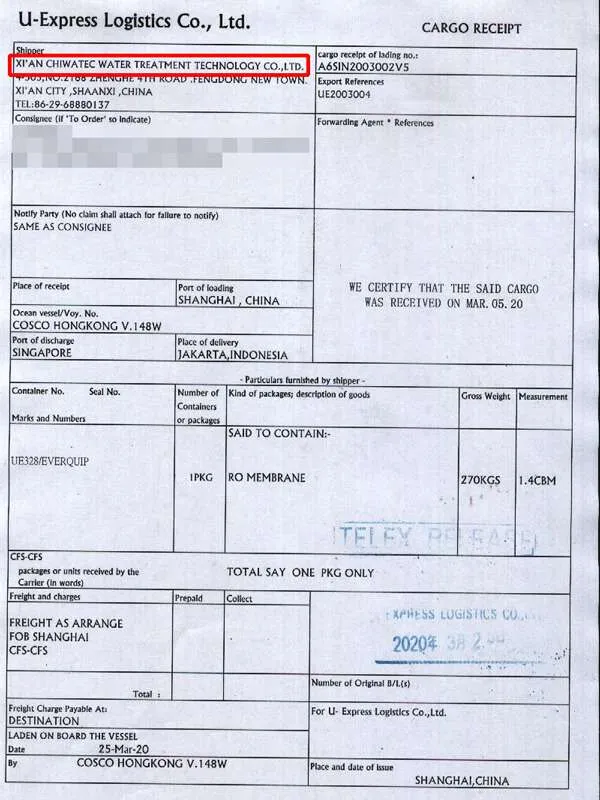
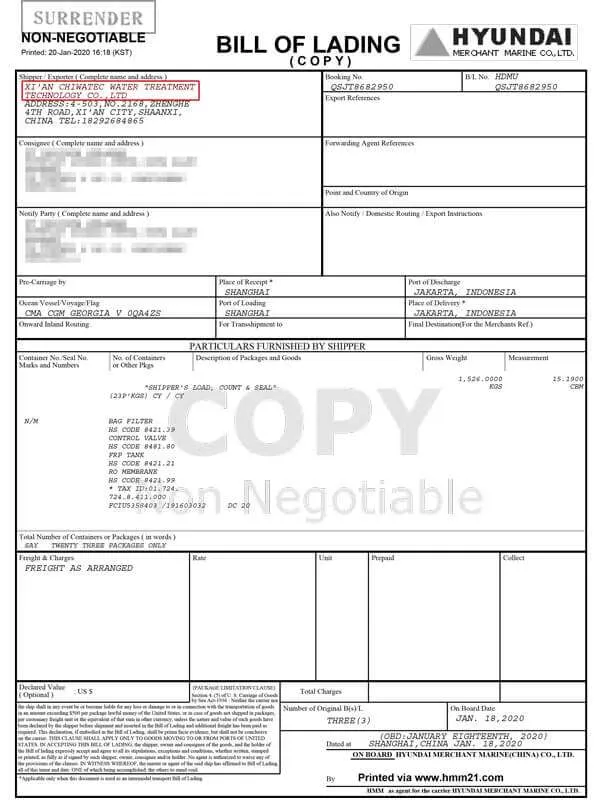
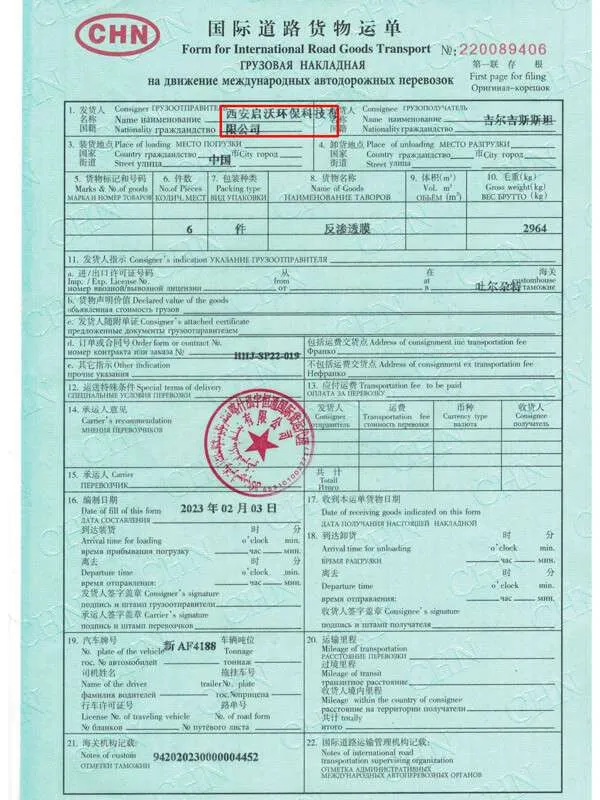
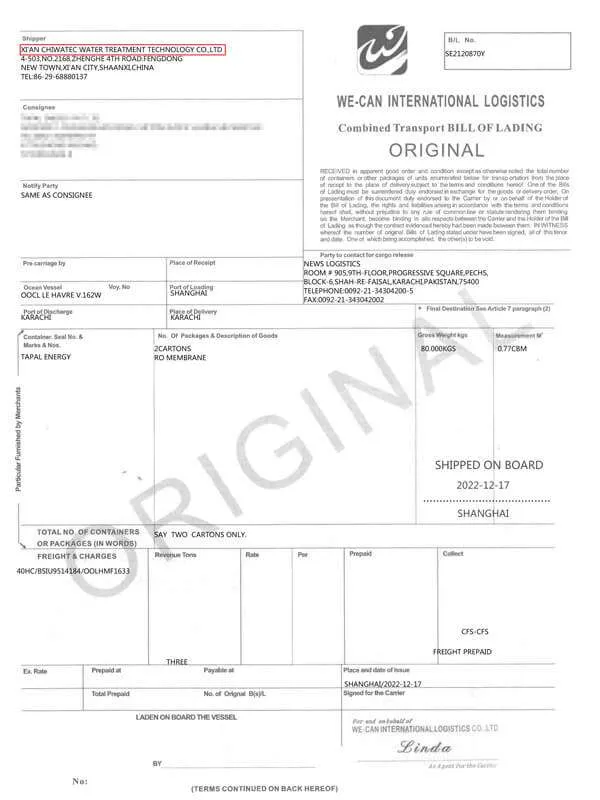
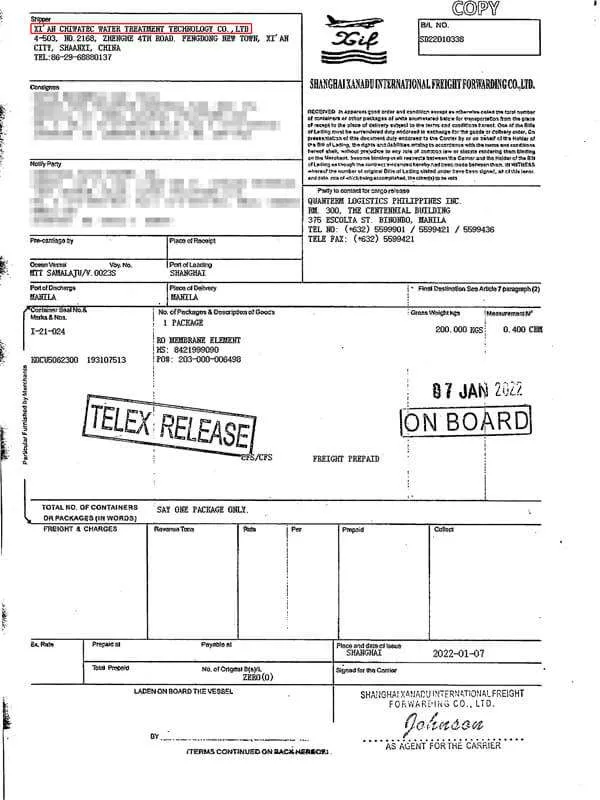
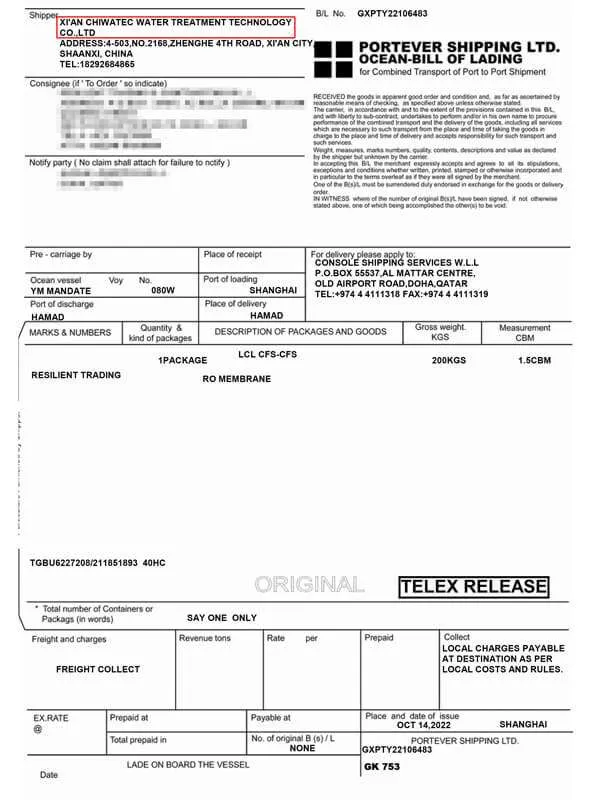
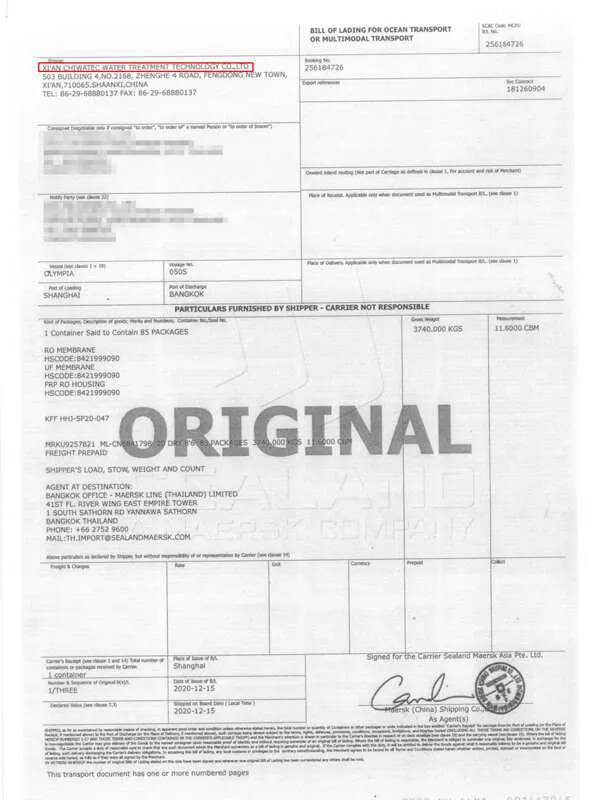
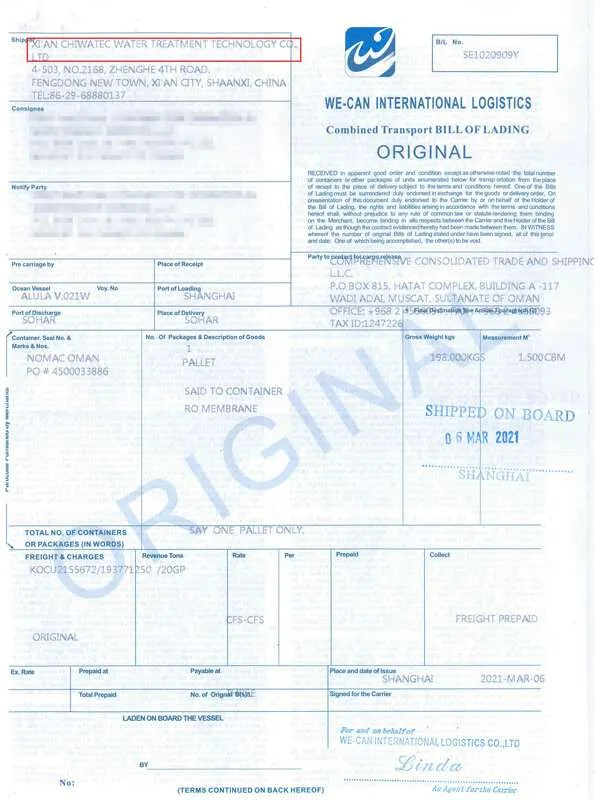
Xi’an CHIWATEC Water Treatment Technology provide the RO membrane to clients both inland and oversea with more than 10years experience. We manufacture our own brand Daltonen RO membrane and we are also the official distributor of Dupont, Toray, CSM, Nitto, LG and Vontron RO membrane. Whatever product you need, we cold meet your requirement.
Contact me for more info and best price.