Membrane separation principle: a semi-permeable membrane selectively passes water molecules while retaining salts, macromolecules and particles under pressure — the membrane separation principle behind microfiltration (0.1–1 μm), ultrafiltration (0.01–0.1 μm), nanofiltration (0.001–0.01 μm) and reverse osmosis (≈0.0001 μm) for ultrapure water production. The following is a comprehensive integration guide and data review provided by the global supply desk at Membrane-Element.
This guide explains the membrane separation principle in detail: the working mechanism, membrane classification by pore size and material, the key advantages over thermal separation, and the industrial applications across water treatment, pharmaceuticals, electronics, food processing and chemical manufacturing.
Membrane Separation Principle: Overview and Core Concepts
Membrane separation is an advanced separation process that emerged in the early 20th century and rapidly developed after the 1960s. It has become one of the most important technologies in modern separation science due to its ability to achieve separation, concentration, purification and refining at the molecular level.
Unlike traditional filtration methods, membrane separation is a physical process that does not involve phase changes or chemical additives. It offers high efficiency, energy savings, environmental protection and precise molecular control, making it an essential tool in various industries such as food processing, pharmaceuticals, biotechnology, water treatment, petrochemicals, metallurgy and electronics. All membrane elements referenced in this guide are supplied by Membrane-Element’s global distribution network with full traceability.
How the Membrane Separation Principle Works
A membrane is a special material that selectively allows certain substances to pass through while blocking others. When a feed solution is passed through a membrane under pressure or concentration gradient, certain molecules or particles are selectively separated — this is the membrane separation principle in its simplest form.
The separation process is based on molecular size, charge and solubility differences. Substances smaller than the membrane’s pores pass through as the permeate, while larger molecules are retained as the concentrate.
- Pressure-driven: RO, NF, UF and MF all use hydraulic pressure as the driving force
- Concentration-driven: some membrane processes rely on the natural concentration gradient
- Charge and solubility: NF membranes separate by charge in addition to size
The process does not require chemical additives or heat, which helps maintain the integrity of heat-sensitive and reactive materials.
Membrane Classification by Pore Size
Membranes can be classified based on pore size and material composition. By pore size, the four main classes form a complete separation spectrum:
| Membrane Type | Pore Size | Retains | Typical Use |
| Microfiltration (MF) | 0.1–1 μm | Suspended solids, colloids, large microorganisms | Food, beverage, wastewater pretreatment |
| Ultrafiltration (UF) | 0.01–0.1 μm | Proteins, polysaccharides, colloids | Pharmaceuticals, dairy, biotechnology |
| Nanofiltration (NF) | 0.001–0.01 μm | Multivalent ions, small organic molecules | Water softening, partial desalination |
| Reverse Osmosis (RO) | ≈0.0001 μm | Nearly all dissolved salts, heavy metals, organics | Desalination, ultrapure water, semiconductors |
- Microfiltration (MF): removes suspended solids, colloids and large microorganisms (pore size 0.1–1 μm); commonly used in food, beverage and wastewater pretreatment
- Ultrafiltration (UF): separates macromolecules such as proteins, polysaccharides and colloids (pore size 0.01–0.1 μm); widely used in pharmaceuticals, dairy and biotechnology
- Nanofiltration (NF): retains multivalent ions and small organic molecules (pore size 0.001–0.01 μm); suitable for softening water and partial desalination
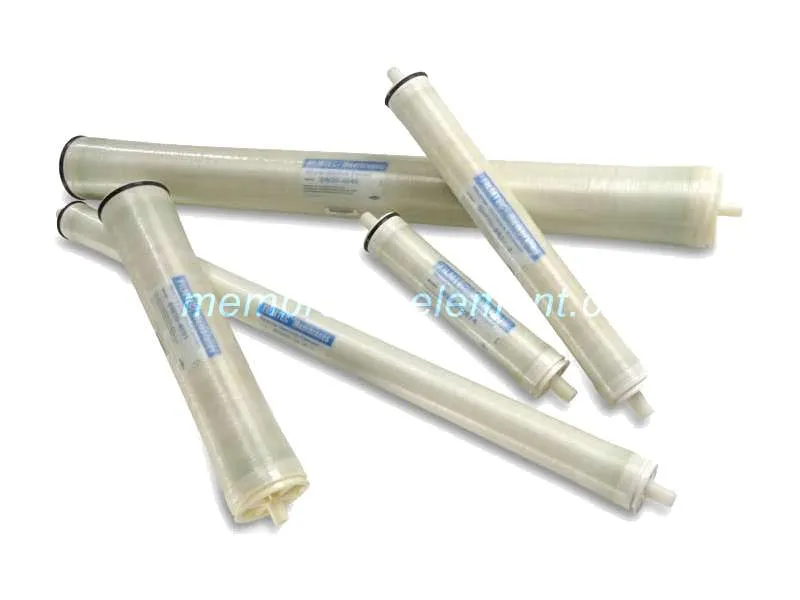
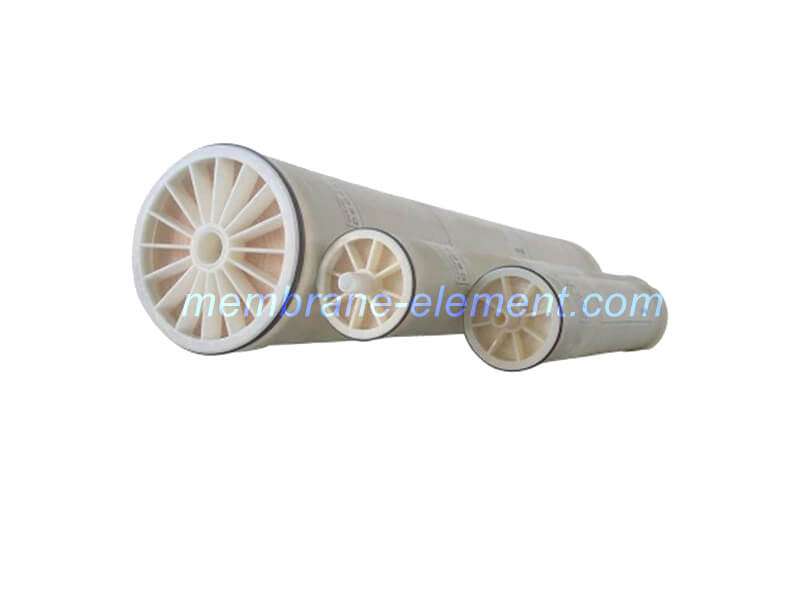
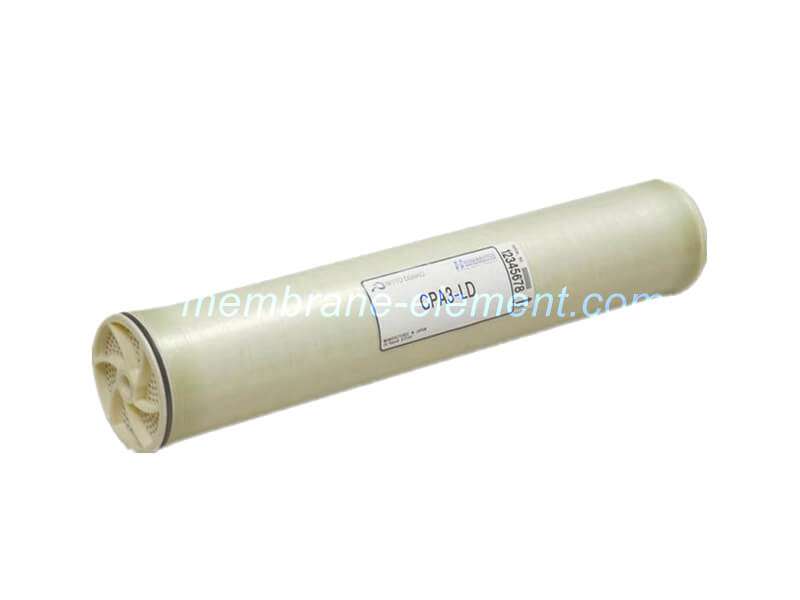
- Reverse Osmosis (RO): the finest filtration level (pore size ≈ 0.0001 μm); removes nearly all dissolved salts, heavy metals and organic matter to produce ultrapure water; commonly used in desalination, semiconductor manufacturing and high-purity water systems
Each class is covered in depth in our dedicated guides: ultrafiltration membrane technology, hollow fiber UF membranes, nanofiltration membrane technology and how RO membranes work.
Membrane Classification by Material
Membranes can also be classified by material composition, which determines chemical resistance, temperature tolerance and application fit:
- Inorganic membranes: mainly ceramic and metal membranes, known for high temperature and chemical resistance; ideal for industrial and chemical processes
- Organic membranes: made from polymer materials such as cellulose acetate, aromatic polyamide, polyethersulfone (PES) and fluoropolymers; widely used in water treatment, medicine and food industries due to their flexibility and cost-effectiveness
The choice between inorganic and organic membranes depends on the chemical resistance, temperature tolerance and application — for feed water quality limits that dictate the membrane choice, see our RO membrane feed water requirements guide.
Key Advantages of Membrane Separation
The membrane separation principle delivers five advantages that thermal and chemical separation cannot match:
(1) Operates at Normal Temperature
No thermal degradation occurs, making it ideal for heat-sensitive substances such as antibiotics, fruit juices, enzymes and proteins.
(2) No Phase Change Required
Preserves the original properties and flavor of materials with low energy consumption — typically only 1/3 to 1/8 of the cost of evaporation or freeze concentration.
(3) Purely Physical Process
No chemical reagents are added, ensuring no product contamination and maintaining environmental friendliness.
(4) High Selectivity
Capable of separating substances at the molecular level, achieving precision that traditional filters cannot match.
(5) Strong Adaptability and Flexibility
The system can be scaled up or down, operate continuously or intermittently, and easily integrate with automated control systems.
Industrial Applications of Membrane Technology
Because the membrane separation principle scales from molecular to industrial volumes, it serves a wide range of industries:
- Water treatment and desalination: RO produces ultrapure water and desalinates seawater — see our membrane desalination technology guide
- Pharmaceuticals and biotechnology: UF and NF purify antibiotics, enzymes and proteins without heat damage
- Electronics and semiconductors: RO and UF deliver the ultrapure water used in wafer cleaning
- Food processing and dairy: UF concentrates proteins, MF clarifies juices and beverages
- Chemical and metallurgical industries: ceramic membranes handle aggressive streams
- Wastewater recycling: membrane bioreactors and UF/MF trains enable industrial wastewater recycling, desalination and reclaimed water reuse
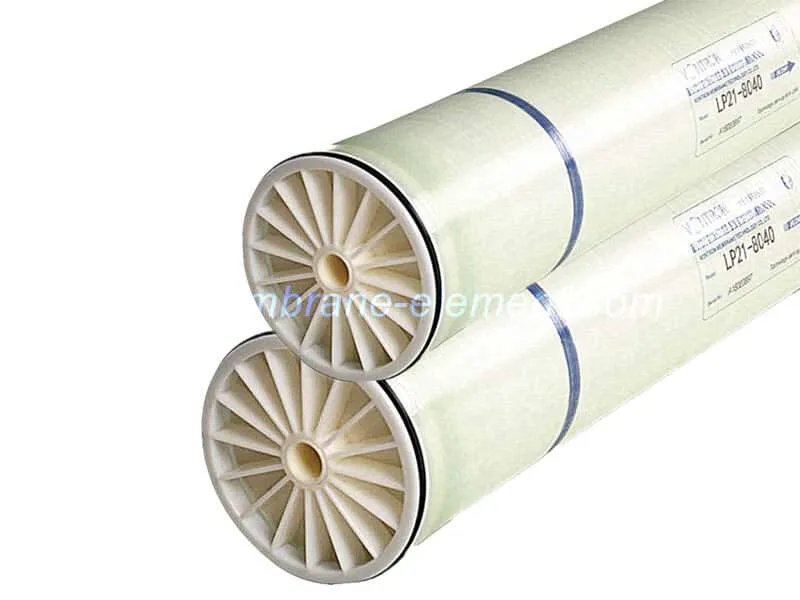
UF as RO pretreatment and its application specifics are covered in our ultrafiltration membrane application guide, and performance validation in the RO membrane evaluation indices guide. For authentic elements from Dupont, Toray, Hydranautics, CSM, LG Chem and Vontron — supplied by Membrane-Element with complete traceability — browse our RO membrane product range.
Conclusion
Membrane separation technology represents a revolutionary advancement in separation science. Its ability to perform precise, energy-efficient and environmentally safe separation processes makes it indispensable in modern industries.
From ultrapure water systems and pharmaceutical purification to food processing and environmental protection, the membrane separation principle ensures high product quality, operational efficiency and sustainable development.
For professional solutions, RO membranes and technical support, contact us:
FAQ: Membrane Separation Technology
Q1: What is the main difference between membrane separation and traditional filtration?
Traditional filtration removes particles based on size exclusion, while the membrane separation principle operates at the molecular level, enabling the separation of dissolved ions, organic molecules and microorganisms.
Q2: What are the most common membrane types used in industry?
The main types are microfiltration, ultrafiltration, nanofiltration and reverse osmosis membranes, each suited for different filtration levels and applications — from 0.1–1 μm MF to the ≈0.0001 μm pore size of RO.
Q3: Can membrane separation be used for wastewater treatment?
Yes. Membrane technology is extensively used for industrial wastewater recycling, desalination and reclaimed water reuse, significantly reducing environmental impact.
Q4: What materials are used to make membranes?
Membranes can be inorganic (ceramic, metal) or organic (polymer-based). The choice depends on the chemical resistance, temperature tolerance and application.
Q5: Why is membrane separation considered energy-efficient?
Because it operates without heating or phase changes, energy consumption is much lower than traditional thermal separation methods like evaporation or distillation — typically only 1/3 to 1/8 of the cost.
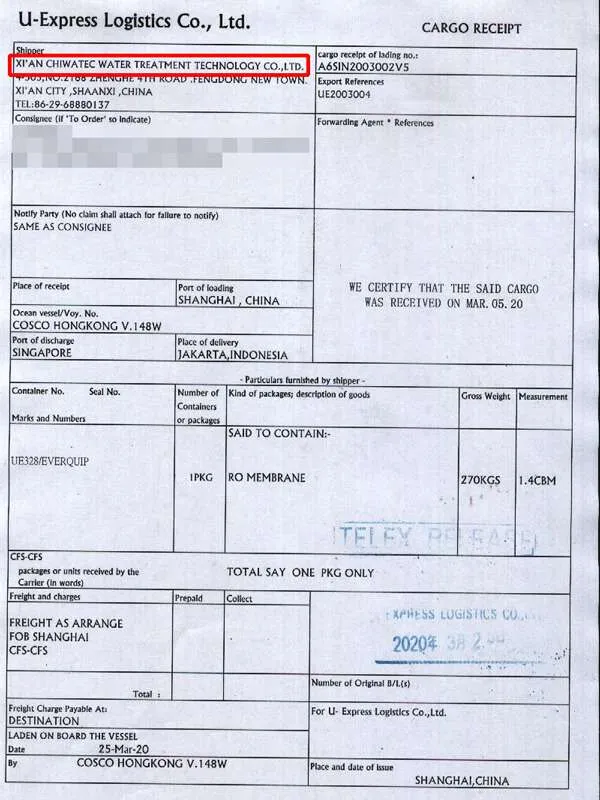
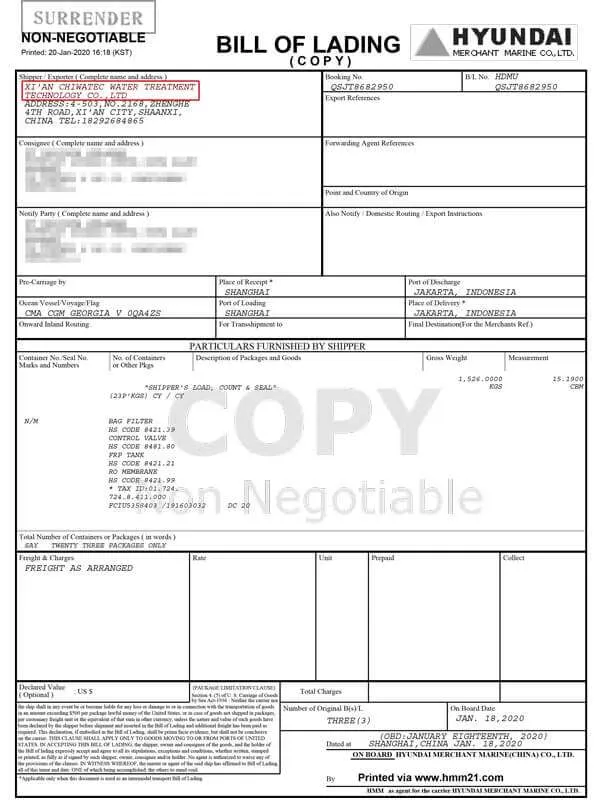
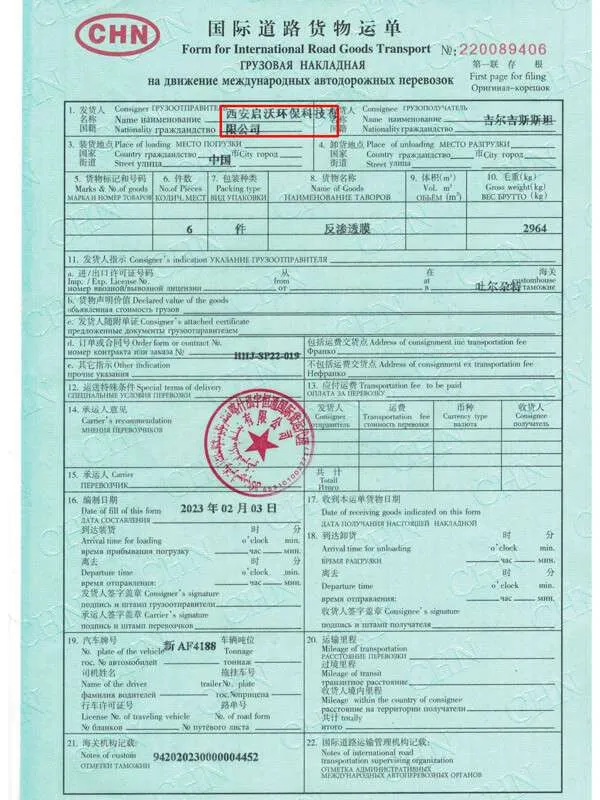
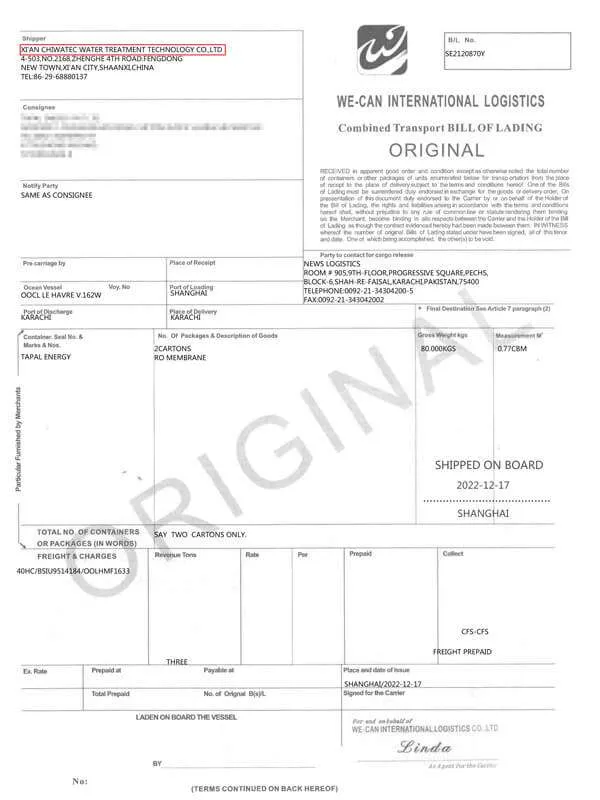
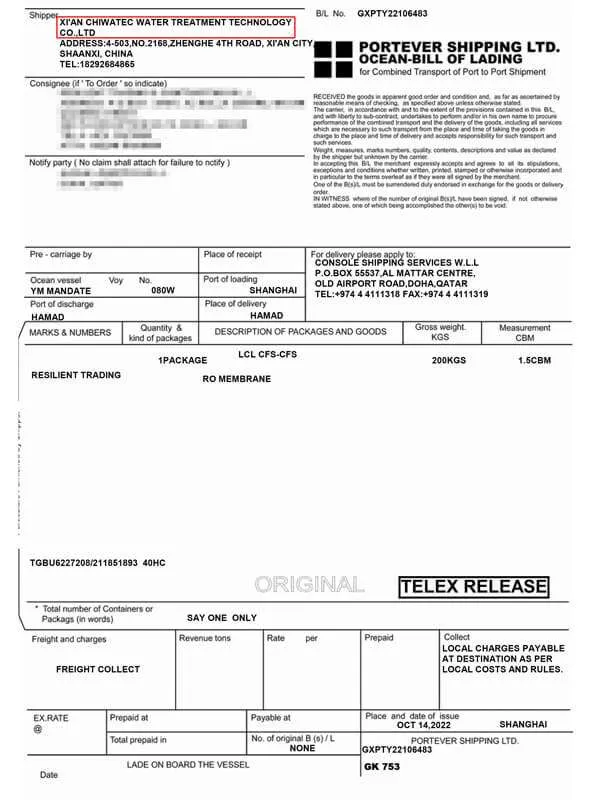
Xi’an CHIWATEC Water Treatment Technology provide the RO membrane to clients both inland and oversea with more than 10years experience. We manufacture our own brand Daltonen RO membrane and we are also the official distributor of Dupont, Toray, CSM, Nitto, LG and Vontron RO membrane. Whatever product you need, we cold meet your requirement.
Contact me for more info and best price.