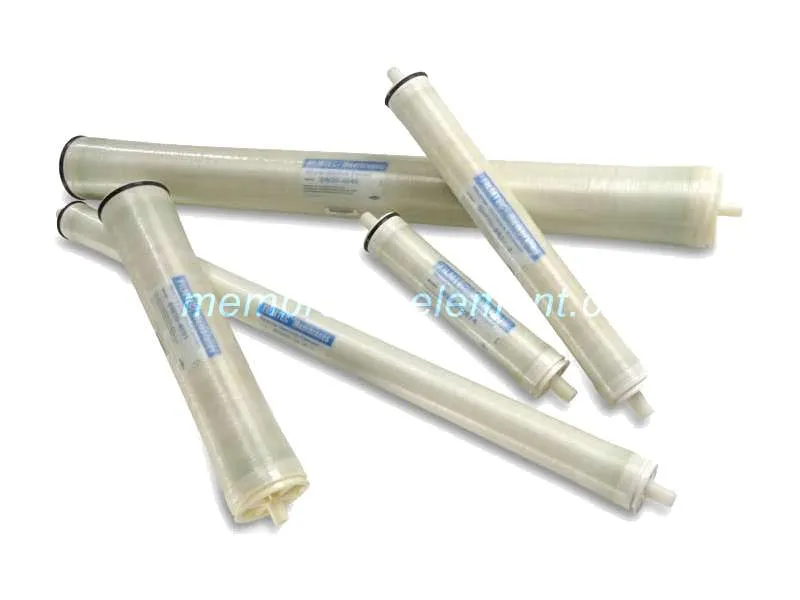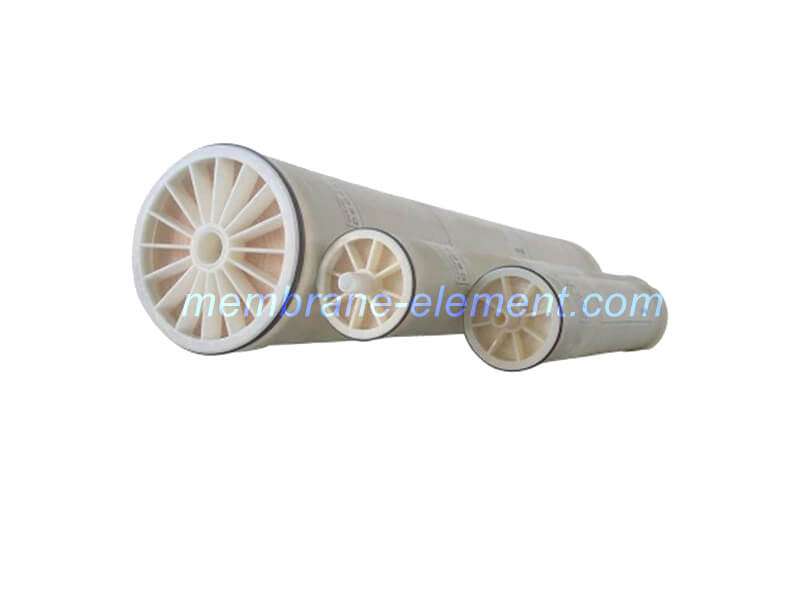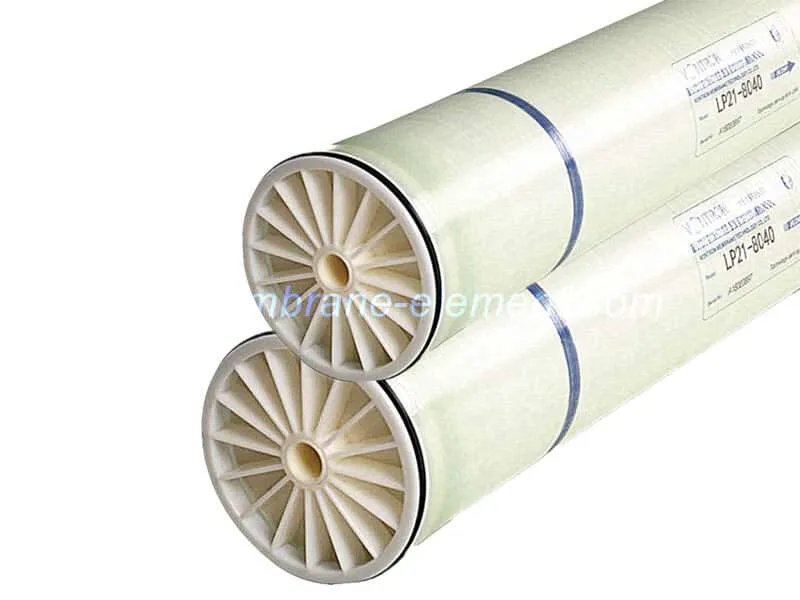
Reverse osmosis (RO) membranes deliver the most advanced RO Membrane Drinking Water Treatment available today. They reject up to 99% of dissolved salts, bacteria, viruses, and organic compounds through pores near 0.0001 µm (0.1 nm). Only water molecules pass. That is why RO sets the gold standard for pure drinking water production.
The global RO membrane market reached USD 6.8 billion in 2024. Analysts project USD 12.4 billion by 2034, a CAGR of 6.2%. Drinking water applications drive a large share of that growth.
This guide explains the working principle, performance factors, applications, and technology comparisons for RO in drinking water systems. For a system-level tour of RO hardware, maintenance, and applications, read How Does RO Membrane Work?.
*Last Updated: September 2026 | Industry-Verified Technical Data
RO Membrane Drinking Water Treatment: How Reverse Osmosis Purifies Water
An RO membrane is a semi-permeable barrier. It lets water molecules pass while rejecting dissolved solids. Its effective pore size near 0.0001 µm (0.1 nm) is the finest of any pressure-driven membrane. That is why RO removes dissolved ions, not just particles.
Osmosis moves solvent from a dilute side to a concentrated side across the barrier. The rising level on the concentrated side creates osmotic pressure. In ro membrane drinking water treatment, feed pressure must exceed that osmotic pressure to reverse the flow. As a rule of thumb, osmotic pressure runs about 11 psi (0.08 MPa) per 1,000 mg/L of TDS.
Tap-water feeds need roughly 0.6 MPa in household elements and about 1 MPa in industrial units. Seawater desalination operates at 5.5–8.5 MPa (55–85 bar). Any applied pressure above the osmotic minimum forces pure water across the skin layer.
- Dissolved salts: 95–99% TDS rejection, including sodium, calcium, and heavy metals
- Pathogens: bacteria and viruses removed to log levels above 99.9%
- Organics: pesticides, pharmaceutical residues, and natural organic matter
Deeper mechanics, including solution-diffusion transport and thin-film composite (TFC) layer structure, appear in How Reverse Osmosis Membranes Work. The membrane separation principle guide places RO inside the MF/UF/NF/RO spectrum.
Key Factors Affecting RO Membrane Performance in Drinking Water Treatment
Several factors decide flux, salt rejection, and element life. Operators control most of them through pretreatment and operating setpoints. The table below summarizes each factor, its impact, and the recommended limit for drinking water duty.
| Factor | Impact on RO Membrane | Recommended Limit |
| Hardness (Ca/Mg salts) | Scaling on the surface cuts water flux and salt rejection | Feed hardness below 250 mg/L; dose antiscalant |
| Colloidal substances | Clay, colloidal silica, and metal oxides form fouling layers | SDI below 5, ideally below 3 |
| Organic matter | Adsorption on the surface drives irreversible flux decline | TOC below 3 mg/L with proper pretreatment |
| Oxidizing substances | Chlorine, ozone, and chlorine dioxide damage composite membranes rapidly | Free chlorine below 0.1 ppm |
| pH value | Values outside the membrane range hydrolyze and degrade the polymer | Typically 2–11, by element type |
| Water temperature | Higher temperature raises flux but lowers rejection | Optimal 20–25 °C; apply correction below 15 °C |
| Feed salt concentration | Higher salinity raises osmotic pressure and lowers recovery | TDS below 2,000 mg/L brackish; 35,000 mg/L seawater |
| Operating pressure | Higher pressure raises water production proportionally | Design-specific, typically 0.6–1.0 MPa for drinking water |
These limits match standard design practice. For the full parameter framework, including desalination rate, flux, and recovery formulas, see RO Membrane Performance Parameters. Feed-water quality rules are detailed in RO Membrane Feed Water Requirements.
Advantages of RO Membrane Technology for Drinking Water
RO beats particle-filtration methods because it rejects dissolved ions, not just suspended solids. That single difference explains its dominance in drinking water production.
- 95–99% TDS rejection removes heavy metals (lead, arsenic, mercury), nitrates, and fluoride
- Removes pesticides and pharmaceutical residues that carbon-only filters miss
- Output is biologically sterile, with viruses and bacteria removed to log levels
- Systems scale modularly from 50–200 L/day household units to 10,000+ m³/day municipal plants
- Modern TFC elements run at 0.5–0.8 MPa, cutting energy roughly 30–40% versus older cellulose acetate types
For a complete benefit analysis, see Reverse Osmosis Membrane Advantages. Pathogen-removal mechanisms and log-removal validation are covered in RO Virus and Bacteria Removal.
Applications of RO Membrane Drinking Water Treatment Systems
Four scales of ro membrane drinking water treatment dominate the market today. Each uses the same membrane chemistry with different element sizes, recovery designs, and operating pressures.
- Residential: under-sink point-of-use systems of 50–100 GPD for cooking and direct drinking
- Commercial: bottled-water filling plants, restaurants, and hotels needing 500–10,000 GPD
- Municipal: brackish groundwater plants reach 75–85% recovery at 0.5–1.5 kWh/m³
- Emergency relief: portable RO units purify almost any source at 0.5–5 m³/day
Residential hardware and whole-house design guidance lives in Domestic Water Treatment Equipment. Large-plant configuration is covered in Industrial RO Water Treatment Equipment.
RO vs Other Membrane Technologies in Drinking Water Treatment
RO occupies the finest-pore end of the membrane spectrum. The table compares RO with nanofiltration (NF), ultrafiltration (UF), and microfiltration (MF) for drinking water service.
| Technology | Pore Size | Operating Pressure | TDS Rejection | Primary Application |
| Reverse Osmosis (RO) | ≈0.0001 µm | 0.5–7.0 MPa | 95–99% | Drinking water, desalination, pure water |
| Nanofiltration (NF) | ≈0.001 µm | 0.3–1.5 MPa | 50–80% (divalent ions) | Water softening, color removal |
| Ultrafiltration (UF) | 0.01–0.1 µm | 0.1–0.5 MPa | 0% (particles only) | Pretreatment, suspended-solids removal |
| Microfiltration (MF) | 0.1–1 µm | 0.05–0.3 MPa | 0% | Coarse filtration, sediment removal |
UF frequently runs ahead of RO as pretreatment in drinking water plants. That integration is explained in Ultrafiltration Membrane Application in Water Treatment. A full side-by-side RO-versus-UF analysis lives in Difference Between RO Membrane and Ultrafiltration Membrane.
Operating and Maintaining a Drinking Water RO System
Drinking water RO systems demand the same discipline as industrial trains. Feed quality decides element life more than any other variable.
- Pretreat to SDI below 3 and strip free chlorine below 0.1 ppm before the membrane
- Track normalized flux and rejection weekly; a 10–15% flux drop signals fouling
- Clean on triggers, not on a fixed calendar; see RO Membrane Cleaning Frequency
- Store wet elements sealed and protected; never let them freeze or dry out
- Replace drinking water elements every 2–3 years in normal household service
Operating discipline decides how long an ro membrane drinking water treatment element keeps its rejection and flow. A 0.1 ppm chlorine leak can oxidize the polyamide skin within days. Regular SDI and TDS checks catch problems before they become irreversible.
The five-step pretreatment train, from 80 µm coarse filtration to the 5 µm security filter, is detailed in RO Membrane Pretreatment Process.
Selecting RO Membranes for Drinking Water Systems
Selection starts with a water analysis, a target quality, and a daily demand figure. Four rules cover most drinking water projects.
- TFC polyamide elements dominate; cellulose acetate appears only in legacy chlorinated systems
- Match element size to duty: 1812/2012/3012 for under-sink units, 4040 and 8040 for commercial skids
- Prefer NSF 58 (point-of-use) or NSF 61 (contact) certified elements for drinking water
- Match rejection class to feed: brackish elements above 99% up to about 2,000 mg/L TDS
Nearly every ro membrane drinking water treatment specification follows those four rules. For construction differences, including TW versus BW wrapping and full-fit designs, see Types of RO Membrane Elements.
Conclusion
Whatever the scale, from under-sink to municipal, ro membrane drinking water treatment delivers the purest practical product. Match the element to the feed analysis, protect it with pretreatment, and monitor it with normalized data.
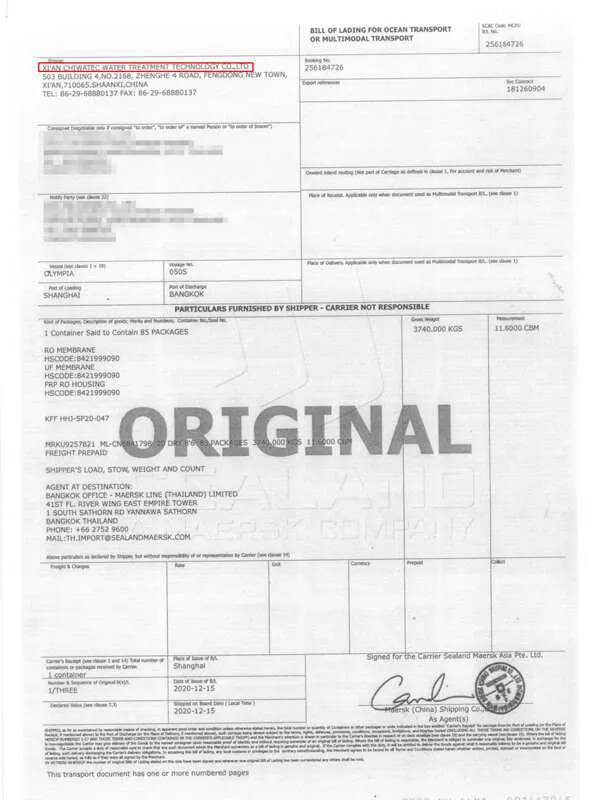
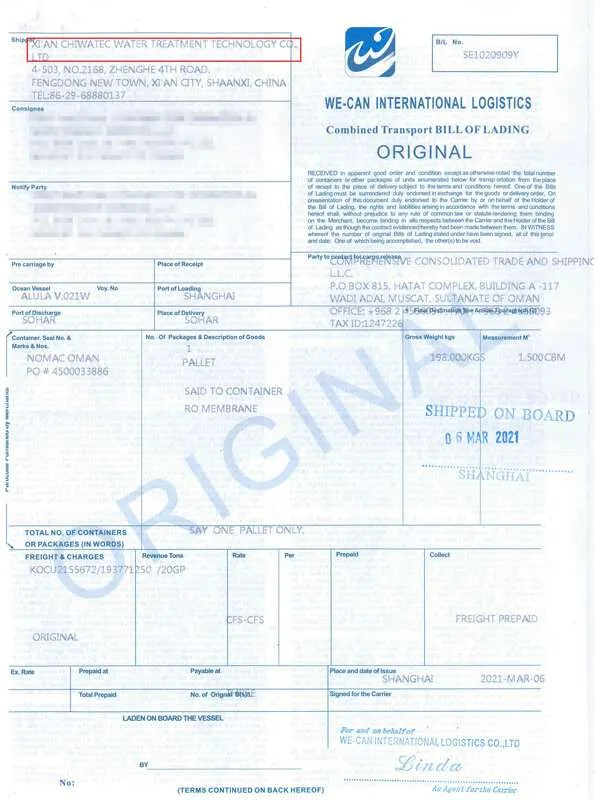
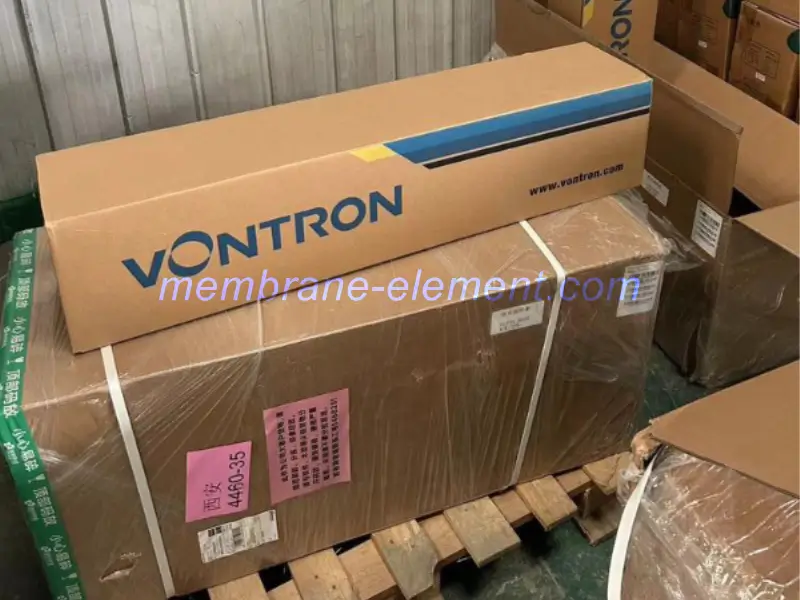
Xi’an CHIWATEC supplies RO membranes from Daltonen, Dupont, Toray, CSM, Nitto, LG, and Vontron. Send us your feed water analysis and target quality for element recommendations.
Contact our engineering team: [email protected], [email protected], or [email protected].
FAQ: Drinking Water RO Systems
Q1: Does RO remove healthy minerals from drinking water?
Yes. ro membrane drinking water treatment removes 95–99% of total dissolved solids, including calcium and magnesium. Most adults replace these minerals through food. Many household systems add a remineralization cartridge after the membrane. For infant formula or long-term sole-source use, remineralized water is the safer choice.
Q2: How much water does an RO system waste?
Recovery varies with scale. Household under-sink elements recover roughly 15–30% of feed water, so reject water runs about 2–4 L per liter of product. Municipal brackish plants recover 75–85% by staging elements inside pressure vessels. Seawater plants recover 40–50%.
Q3: Does RO remove fluoride, and is the water safe for children?
RO rejects over 90% of fluoride along with other dissolved salts. The output meets drinking water standards. Where fluoride was the only concern, use a point-of-use RO with a remineralization stage and follow local pediatric guidance for infants.
Q4: How often should drinking water RO membranes be replaced?
Household elements typically last 2–3 years. Replace them earlier when normalized production drops 10–15% or rejection falls about 5%. Commercial plants schedule replacement from normalized performance data rather than calendar age alone.
Q5: Does RO remove chlorine, or do I need a carbon filter?
RO removes chlorine poorly because chlorine passes the membrane as a dissolved gas. Polyamide membranes also cannot tolerate it. Carbon block prefilters strip chlorine and chloramines before the membrane, which is why every RO system includes one. Catalytic carbon handles chloramine faster than standard carbon.
Related Resources
Recommended Membrane Technology Guides
- How Reverse Osmosis Membranes Work: Complete Guide to RO Membrane Working Principle and Separation Process 2026
- Domestic Water Treatment Equipment: Complete Guide 2026
- Reverse Osmosis Membrane Advantages: Complete Guide to RO Membrane Benefits, Performance, and Applications 2026
- Difference Between RO Membrane and Ultrafiltration Membrane: Key Characteristics Compared 2026
- Dupont RO Membrane Elements
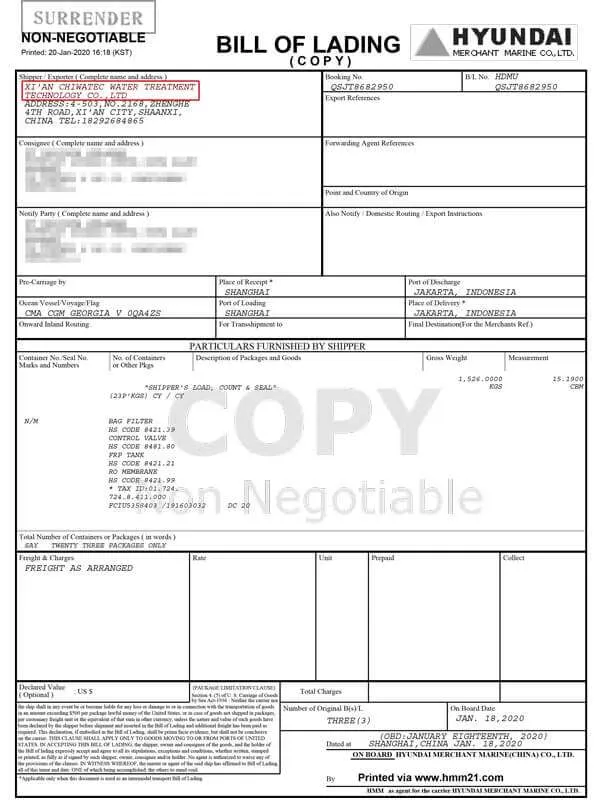
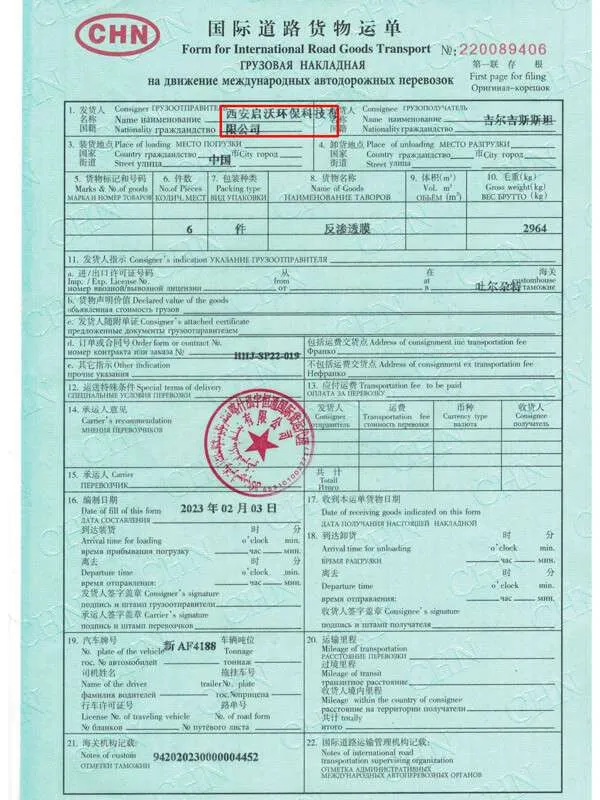
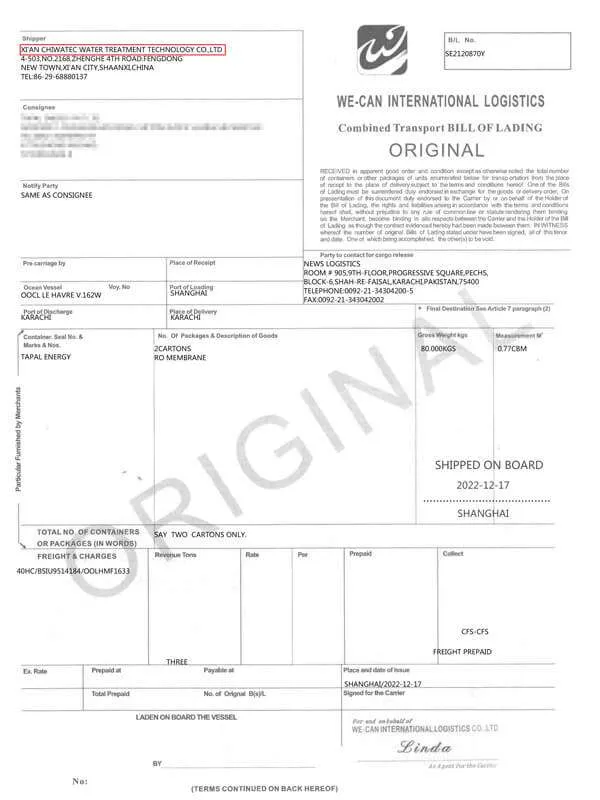
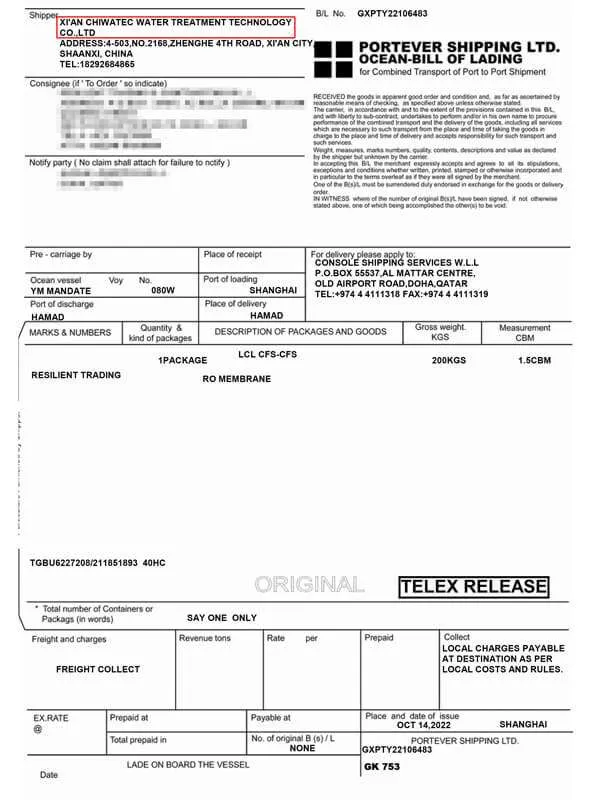
Xi’an CHIWATEC Water Treatment Technology provide the RO membrane to clients both inland and oversea with more than 10years experience. We manufacture our own brand Daltonen RO membrane and we are also the official distributor of Dupont, Toray, CSM, Nitto, LG and Vontron RO membrane. Whatever product you need, we cold meet your requirement.
Contact me for more info and best price.