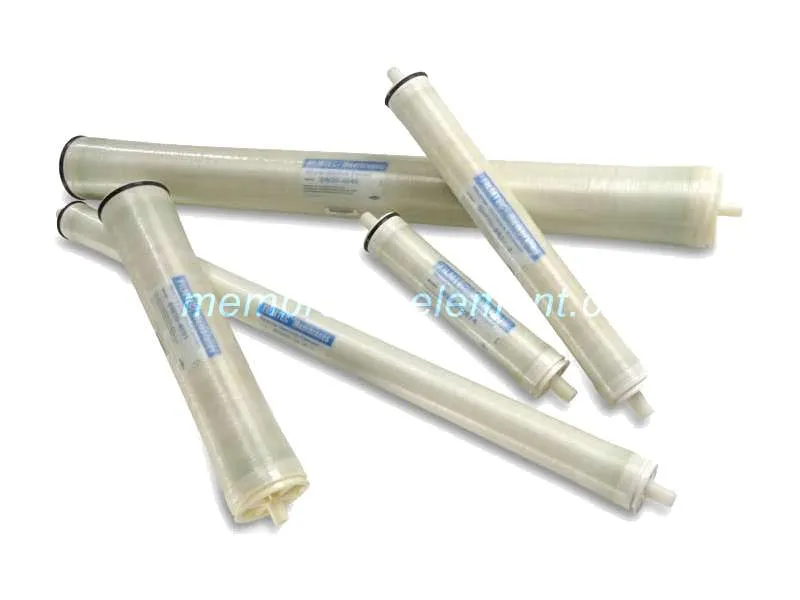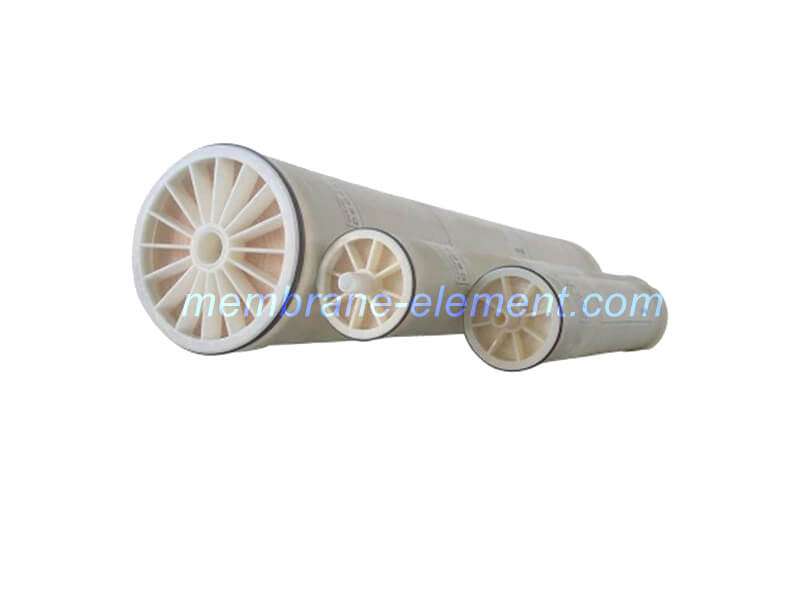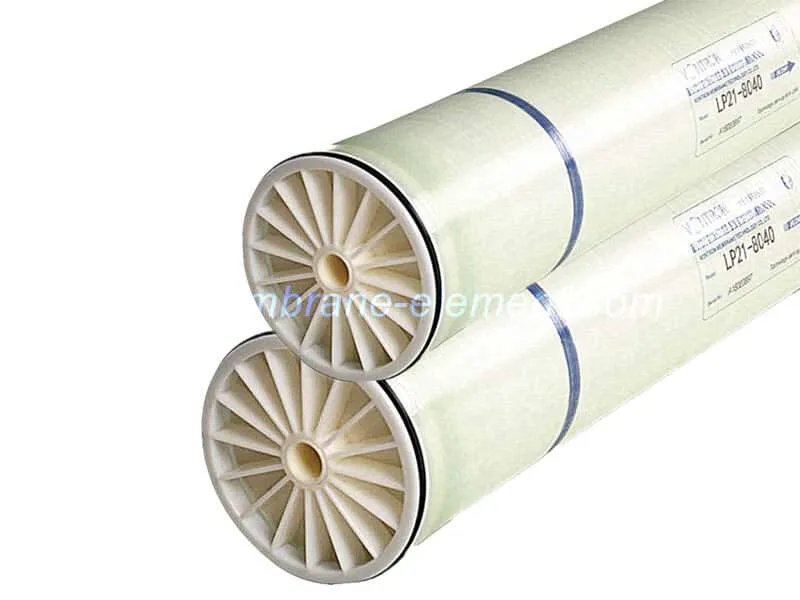
This guide explains how to use reverse osmosis membrane correctly elements from the warehouse to the pressure vessel and beyond. Proper handling preserves the polyamide skin layer, keeps flux stable, and protects your investment.
The global RO membrane market reached USD 6.8 billion in 2024. Analysts project USD 12.4 billion by 2034, a CAGR of 6.2%. Element replacement drives a large share of that spend, which makes correct handling a direct cost lever.
Storage, installation, startup, operation, and maintenance each carry their own failure modes. This guide walks through them in order. For the separation science behind the steps, read How Reverse Osmosis Membranes Work.
*Last Updated: September 2026 | Industry-Verified Technical Data
How to Use Reverse Osmosis Membrane Correctly: Storage Guidelines
Storage discipline starts before installation. Membranes arrive sealed with preservative, and that seal protects the skin layer until the element enters the vessel.
- Keep packaging sealed until the moment of installation
- Store in a cool, dry, dark place out of direct sunlight
- Hold temperature between 5 °C and 35 °C to avoid freezing or heat damage
- Stay clear of chemicals, solvents, and fumes that can degrade the polymer
- Immerse elements in 1% sodium metabisulfite (SMBS) solution for storage beyond 30 days
- Rotate stored elements every 90 days to prevent preservative stratification
These six rules are step one of learning how to use reverse osmosis membrane correctly for maximum service life. The same sulfite preservation logic protects hollow-fiber UF elements; see Hollow Ultrafiltration Membrane Storage for the UF-specific protocol.
Membrane Element Installation: Step-by-Step Guide
Clean hardware first. Flush the pressure vessels and piping to remove construction debris, welding slag, and loose particles. Replace the 5 µm security cartridge before loading elements.
- Lubricate O-rings and concentrate seal rings with silicone grease or a 50% glycerin aqueous solution; never use oil or petroleum-based lubricants
- Verify the brine seal ring sits at the feed end of the element with its lip facing the feed flow
- Insert each element gently, pushing steadily to avoid scraping the membrane surface
- Confirm interconnector seals seat properly between adjacent elements
- Torque the vessel end caps to the manufacturer’s specification
In multi-element vessels, install the concentrate-end element first, then fill toward the feed end. That order keeps every brine seal facing the feed side. Element construction, wrap styles, and seal configurations are compared in Types of RO Membrane Elements.
Rinsing and Startup After Installation
New elements carry protective liquids and manufacturing residuals. Rinsing them out is the first test of how to use reverse osmosis membrane correctly after unpacking. Open the concentrate valve fully and flush the system for at least 30–60 minutes.
Where the product water goes to drinking use, extend the rinse to a minimum of 24 hours. Preservatives and glycerin must be gone before the first glass.
Startup follows the same logic. Begin with the concentrate valve fully open. Then close it slowly until the system reaches its design recovery. Never start the equipment with the concentrate valve closed. Back pressure then builds on the permeate side and can permanently delaminate the membrane layers. That failure mode is analyzed in Back Pressure in RO Water Treatment.
- Confirm the permeate line is open and unpressurized before starting
- Ramp feed pressure in stages while watching permeate quality
- Log startup values as the baseline for future normalization
How to Use Reverse Osmosis Membrane Correctly: Operating Parameters and Precautions
Safe operation starts with feed limits. Each parameter below has a consequence when violated, and most violations damage the membrane irreversibly.
| Parameter | Requirement | Consequence of Deviation |
| Feed water turbidity | Below 1.0 NTU | Particle fouling, reduced flux |
| SDI15 (Silt Density Index) | Below 5, ideally below 3 | Rapid fouling, shortened membrane life |
| Feed water temperature | Below 45 °C | Polymer degradation above the limit |
| Residual chlorine | Below 0.1 ppm | Oxidative damage to the composite membrane |
| Operating pH | 2–11, varies by element type | Hydrolysis and membrane degradation |
| Feed water pressure | Within design specification | Excessive pressure causes mechanical damage |
Monitor residual chlorine continuously. Chlorine and other oxidants degrade thin-film composite (TFC) rejection layers fast, and the loss is permanent. Feed-water quality rules are detailed in RO Membrane Feed Water Requirements. Dechlorination and the full pretreatment train appear in RO Membrane Pretreatment Process.
Common Mistakes in Reverse Osmosis Membrane Operation
Even experienced crews repeat a handful of mistakes. Each one shortens element life or kills it outright.
- Starting with the concentrate valve closed, which causes back-pressure damage and delamination
- Feeding chlorine above 0.1 ppm, which permanently destroys the TFC rejection layer
- Using petroleum-based lubricants, which attack the elastomer seals
- Exceeding pressure or temperature limits, which drives mechanical creep and polymer degradation
- Neglecting regular flushing, which accelerates fouling and raises cleaning frequency
- Mixing incompatible cleaning chemicals during CIP, which can release toxic gases or damage elements
Chemical safety rules for cleaning belong in RO Membrane Chemical Cleaning Rules. Fouling that follows neglect is cataloged in Types of RO Membrane Fouling.
Routine Maintenance and Cleaning Schedule
Membranes foul over time as feed water deposits suspended and insoluble material. Clean the system promptly when any of these signals appear:
- System performance drops by 10% or more under standard conditions
- Normalized permeate flow declines by 10–15%
- Differential pressure across the system rises by 15%
- Scaling or fouling deposits become visible during inspection
Routine flushing stretches the interval between chemical cleans. Run a forward flush for 5–10 minutes daily, plus a backwash where the skid provides one.
For chemical cleaning, match the reagent to the foulant. Use acidic solutions such as citric acid at pH 2–3 for inorganic scale. Use alkaline solutions such as NaOH at pH 11–12 for organic and biological fouling. Never mix cleaning chemicals, and flush thoroughly between steps. Step-by-step procedure lives in RO Membrane Cleaning Steps, and scheduling guidance in RO Membrane Cleaning Frequency.
Service Life and Replacement Signals
Well-run RO elements deliver 2–5 years of service, with household drinking water elements typically at 2–3 years. The variance comes from feed quality, uptime, and cleaning discipline. Learning how to use reverse osmosis membrane correctly pays for itself by year three.
Judge replacement by normalized data, not the calendar. Watch for a 10–15% flux loss that cleaning cannot recover, a rejection decline near 5%, or a salt passage trend that keeps climbing. When cleaning restores less than 90% of baseline flux, replacement usually beats another chemical round. Diagnosis workflows are covered in RO Membrane Contamination Diagnosis.
Normalized performance tracking uses the evaluation framework explained in RO Membrane Evaluation Indices. Correct handling simply keeps the element inside its design envelope until that day arrives.
Conclusion
Mastering how to use reverse osmosis membrane correctly is a one-time investment with a multi-year payoff. Store elements sealed and cool, install them cleanly, ramp startup slowly, and clean on triggers.
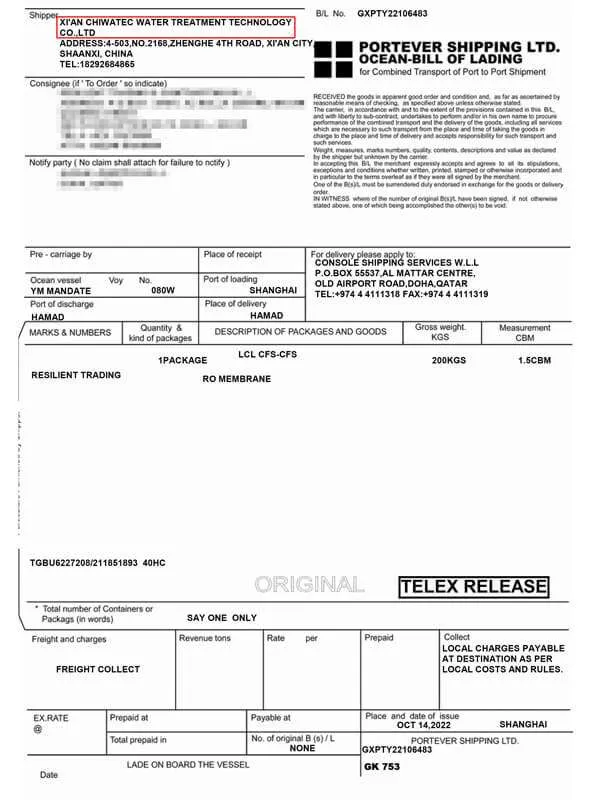
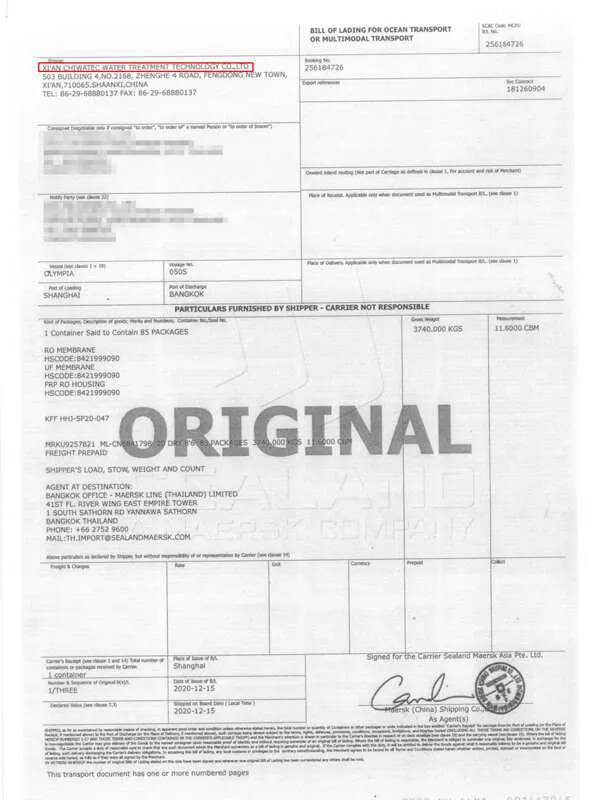
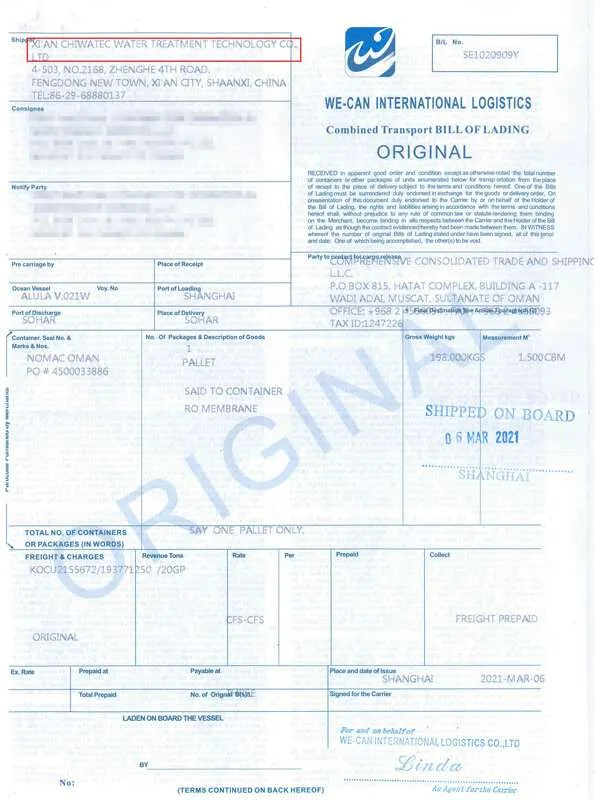
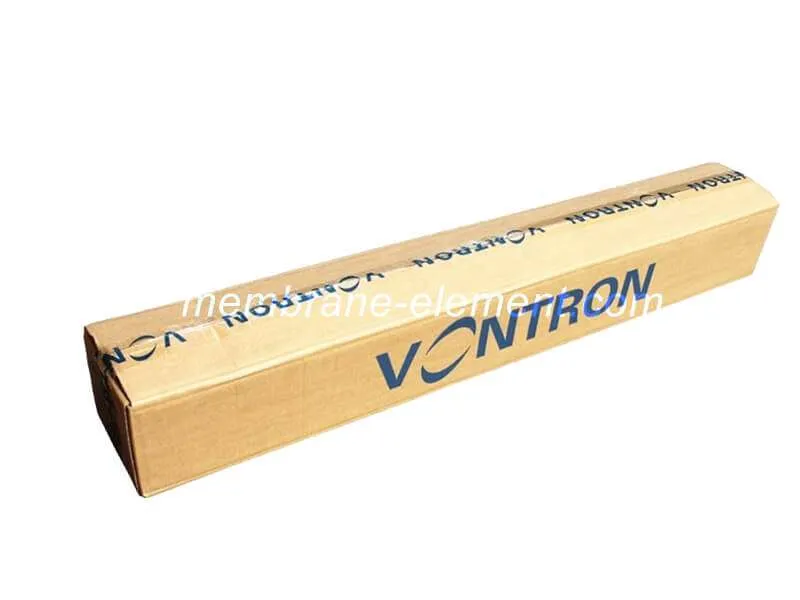
Xi’an CHIWATEC supplies RO membranes from Daltonen, Dupont, Toray, CSM, Nitto, LG, and Vontron. Send us your feed water analysis and operating data for element and maintenance recommendations.
Contact our engineering team: [email protected], [email protected], or [email protected].
FAQ: RO Membrane Handling and Maintenance
Q1: Can RO membranes freeze or overheat during storage?
Never let elements fall outside 5–35 °C. Ice crystals pierce the skin layer and the feed spacer, and the damage is irreversible. Heat above 45 °C degrades the polymer. Store elements in a cool, dark space and inspect them before installation.
Q2: Why must installation lubricants be silicone or glycerin based?
Petroleum-based lubricants swell and attack the elastomer O-rings and brine seals. They can also contaminate the membrane surface. Silicone grease or a 50% glycerin aqueous solution is safe for both the elastomers and the polyamide layer.
Q3: How long should new membranes be rinsed before drinking water use?
Flush for at least 30–60 minutes with the concentrate valve fully open to clear preservatives and residuals. Where product water is for drinking, extend the rinse to a minimum of 24 hours before use.
Q4: What damage does startup back pressure cause?
Back pressure from a closed concentrate valve pushes permeate back through the membrane. The reverse flow can delaminate the membrane layers from their backing fabric. The damage is permanent, so always start with the concentrate valve open.
Q5: When should I clean an RO element instead of replacing it?
Clean first when flux drops 10–15%, differential pressure rises 15%, or rejection slips. If a chemical clean restores less than 90% of baseline flux, or rejection keeps falling, replacement is the economical choice. Most well-fed elements last 2–5 years.
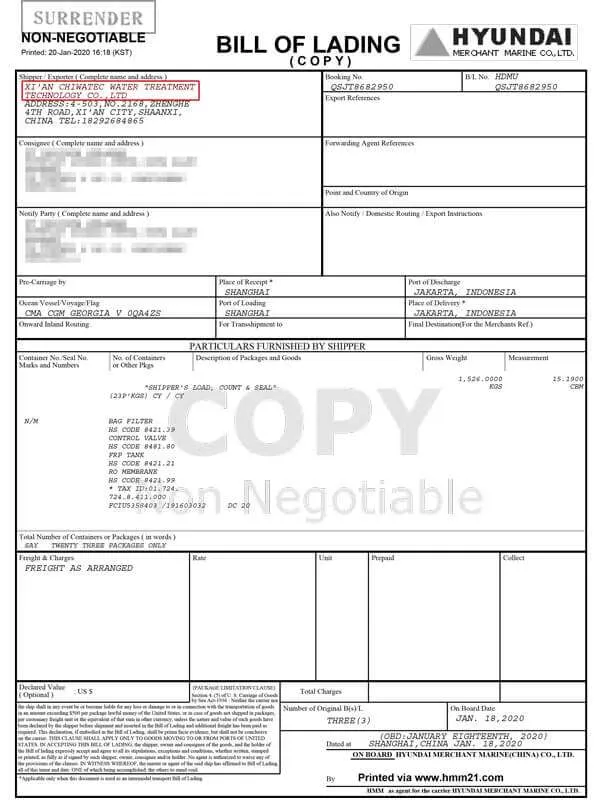
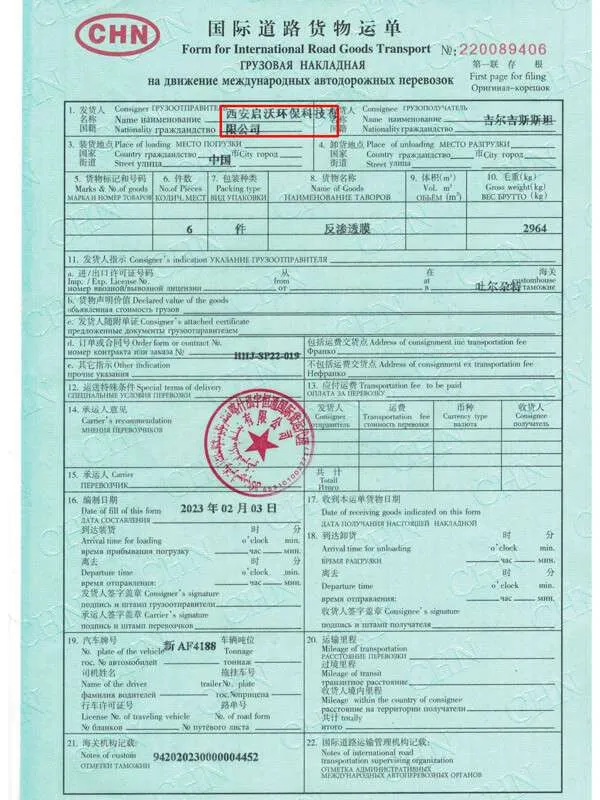
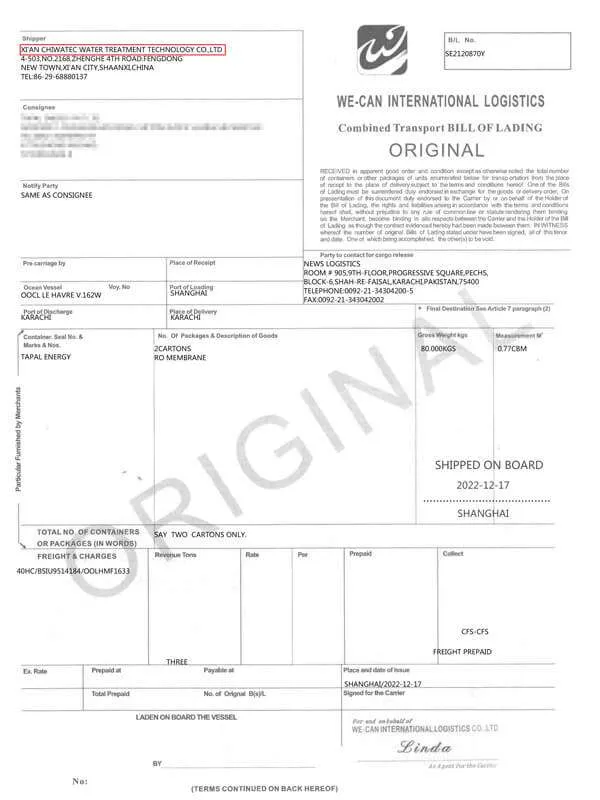
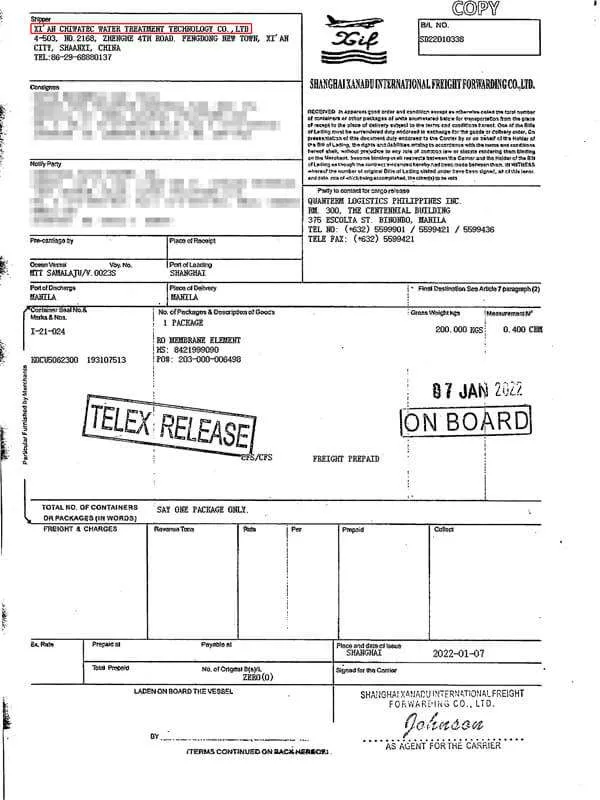
Xi’an CHIWATEC Water Treatment Technology provide the RO membrane to clients both inland and oversea with more than 10years experience. We manufacture our own brand Daltonen RO membrane and we are also the official distributor of Dupont, Toray, CSM, Nitto, LG and Vontron RO membrane. Whatever product you need, we cold meet your requirement.
Contact me for more info and best price.